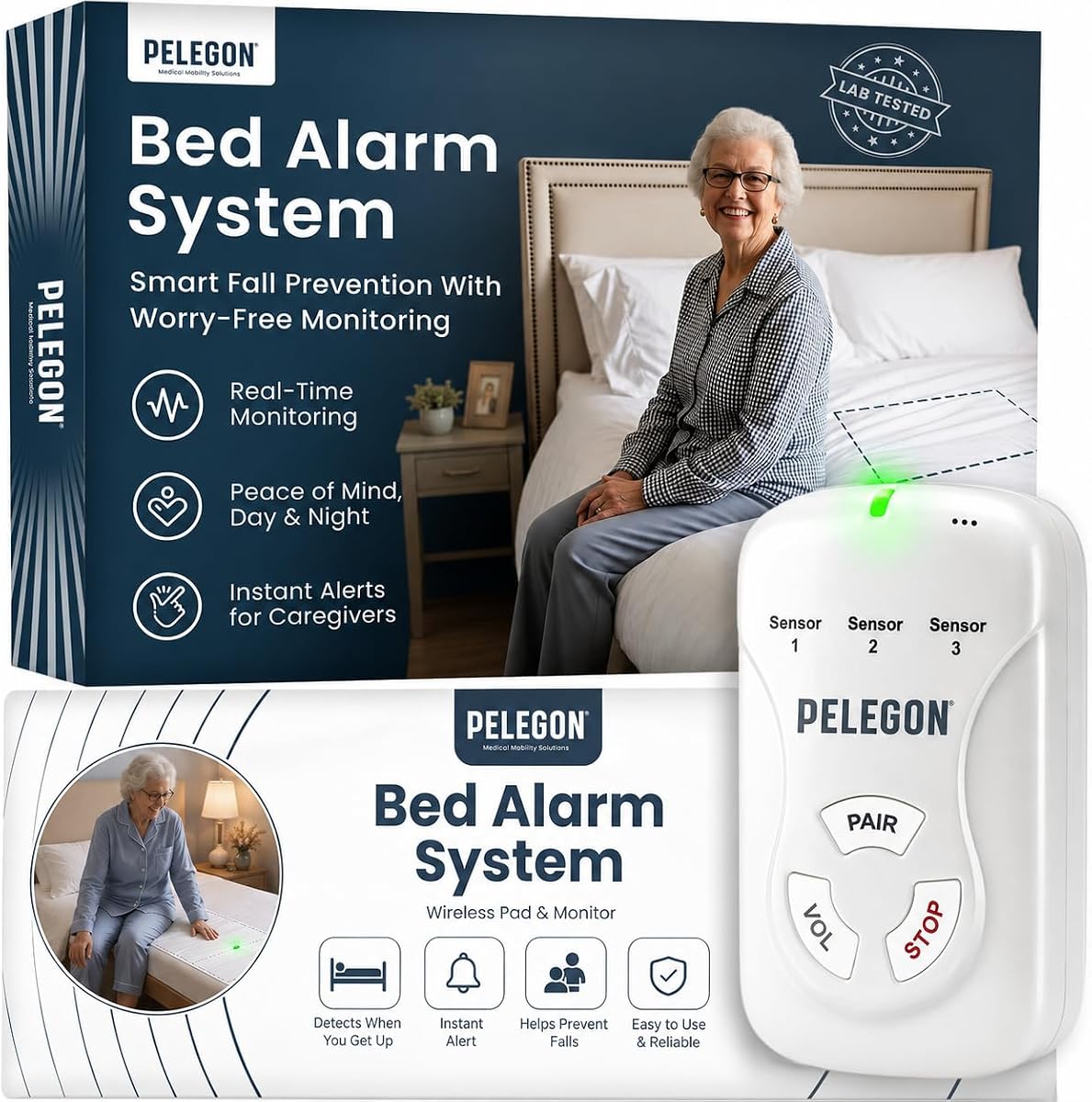
PELEGON Bed Alarms for Elderly Dementia Patients
4.7Editor score
Long range 328ft coverage
Customizable alert modes
Tool-free instant setup
Choosing the right safety device is critical for protecting loved ones with mobility challenges. A bed alarm for elderly and dementia patients provides caregivers with peace of mind through early alerts when someone attempts to leave bed.
We evaluated ten top-rated systems based on sensor accuracy, alert range, and ease of use. Our comparison focuses on wireless pagers, pressure pads, and motion sensors designed for home and facility care environments.
Each pick highlights unique strengths like vibration modes or long battery life. Note that stock and availability change frequently, so check current listings before making a final decision for your care setup.
4.7Editor score
4.8Editor score

4.5Editor score
As an Amazon Associate we earn from qualifying purchases.
This table compares all ten systems side-by-side to help you find the best match for your specific care needs and room layout.



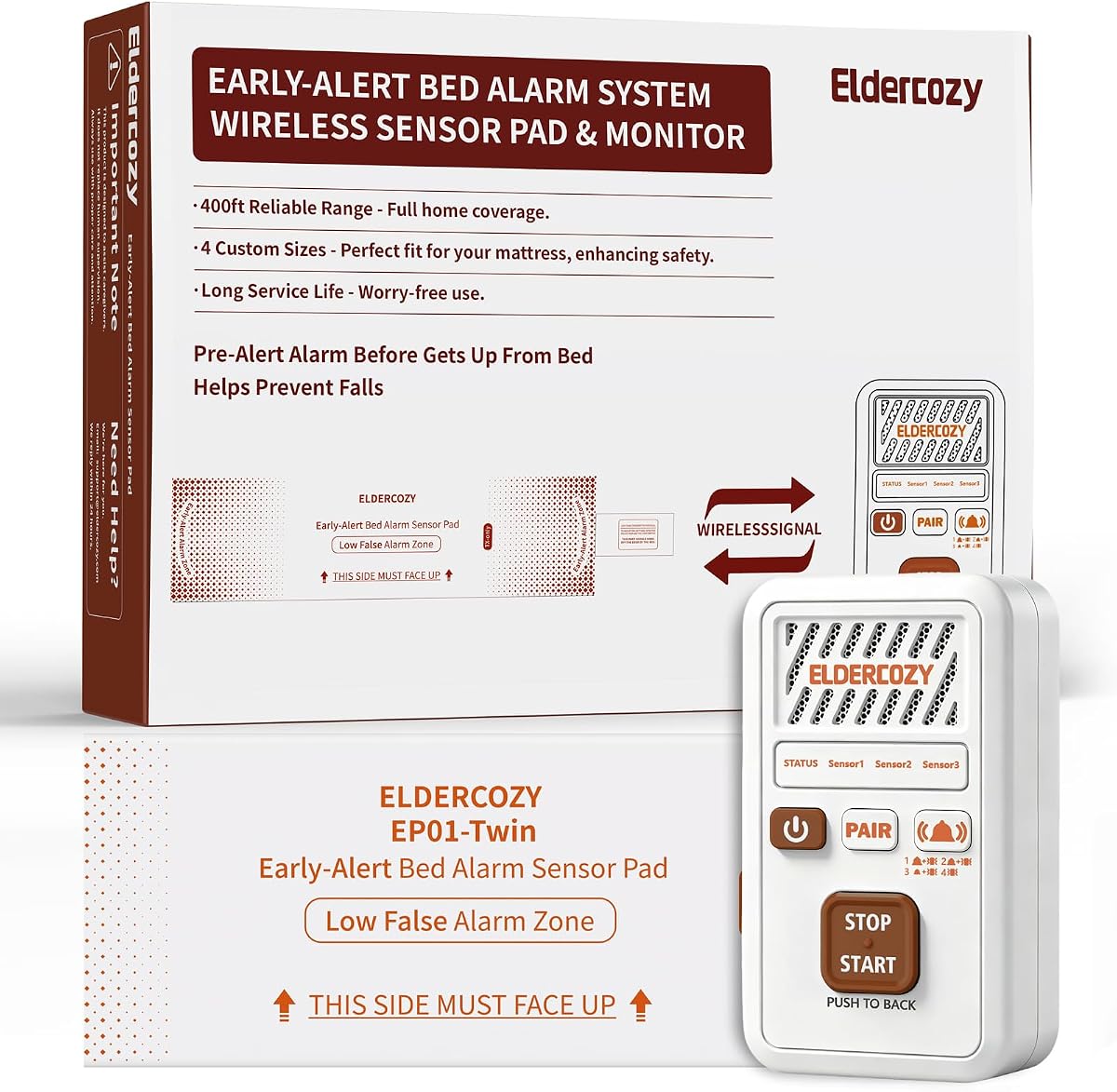
The Twin Size Wireless Bed Alarms stands out as the top-rated choice with a 4.8 rating. It combines early detection with exceptional comfort, making it ideal for dementia patients who resist rigid mats.
We may earn a commission when you buy through this link, at no additional cost to you.
Its hip-level sensor triggers only when the patient sits up, reducing false alarms from tossing and turning. The TPU composite material feels soft and quiet, ensuring the patient remains undisturbed during sleep.
The wireless range extends to 400 feet, allowing caregivers to monitor from other rooms without being tethered to the bedside. Additionally, replaceable AAA batteries mean the device can last indefinitely without disposal costs.
This system is perfect for families prioritizing dignity and comfort. While the cost is higher than basic units, the reliability and patient comfort make it the best long-term investment for home care.
Unlike crinkly PVC pads, the TPU composite material ensures the patient does not feel restless or restricted during sleep. This helps maintain a calm environment essential for those with dementia.
By detecting hip movement rather than shoulder pressure, the system avoids alerting every time the patient shifts position. It waits until they attempt to sit on the edge, giving you crucial time to assist.
We may earn a commission when you buy through this link, at no additional cost to you.
The PELEGON Bed Alarms is a robust solution designed specifically for dementia care needs. It features a strong wireless connection that helps caregivers monitor patients effectively from a distance without constant checking.
We may earn a commission when you buy through this link, at no additional cost to you.
Its setup is tool-free and can be done in seconds by placing the sensor pad under the sheet. The pager allows customization between sound and vibration, helping to avoid startling the patient during the night.
While it excels in range and ease of use, the pad is made of standard material that might make noise during sleep. This is a minor trade-off considering the strong alert range and reliable fall prevention features.
Best for caregivers who need a plug-and-play solution. Its focus on reducing wandering risk makes it a premium choice for homes where independence must be balanced with close supervision.
The 328-foot range ensures that caregivers can remain in the kitchen or living room while still receiving immediate alerts. This freedom is vital for managing household tasks without losing supervision.
Switching between sound and vibration modes allows for discreet monitoring. If the patient is sensitive to noise, vibration-only mode prevents confusion or anxiety when the alarm activates.
We may earn a commission when you buy through this link, at no additional cost to you.
The Upgraded Version Bed Sensor Alarm offers an affordable entry point for fall prevention. Instead of a bed pad, it uses a motion sensor placed under the bed to detect feet touching the floor.
We may earn a commission when you buy through this link, at no additional cost to you.
It boasts an impressive 918-foot open range, meaning the caregiver can be far away and still receive alerts. The dual power supply via battery or USB ensures the device stays active without needing constant battery changes.
Because it is a floor sensor, it avoids the noise or discomfort of a mattress pad. However, the sensor must be positioned carefully to avoid false alarms from pets or moving furniture in the room.
This system is ideal for tight budgets or situations where a pad is not preferred. Its range and power flexibility make it a practical choice for larger homes or multi-story living arrangements.
Detecting when feet touch the floor ensures the patient has actually started to stand. This provides a realistic safety net without alerting for minor shifts while the patient remains lying down.
Having both battery and USB options means you can plug it into a nearby outlet for continuous use or use batteries for portability. This ensures the alarm is always ready when needed.
We may earn a commission when you buy through this link, at no additional cost to you.
The Smart Caregiver Bed Alarm provides a straightforward and reliable monitoring solution. Its pressure pad alerts the monitor when weight is removed, signaling the patient has left the bed.
We may earn a commission when you buy through this link, at no additional cost to you.
The vinyl pad is durable and sealed against incontinence, making it easy to clean with a wet cloth. It fits discreetly under the sheet, and the unit can be mounted on a wall or table for access.
One limitation is that the default alarm sounds in the room, which might startle the patient unless you buy a wireless add-on. However, the reset button allows caregivers to silence it quickly if needed.
This is a solid choice for those needing a basic, wired system. Its waterproof design and easy cleaning make it a practical option for daily use in care facilities or busy households.
The vinyl surface allows for quick wiping down to maintain hygiene standards. This is especially helpful in environments where incontinence management is part of the daily care routine.
We may earn a commission when you buy through this link, at no additional cost to you.
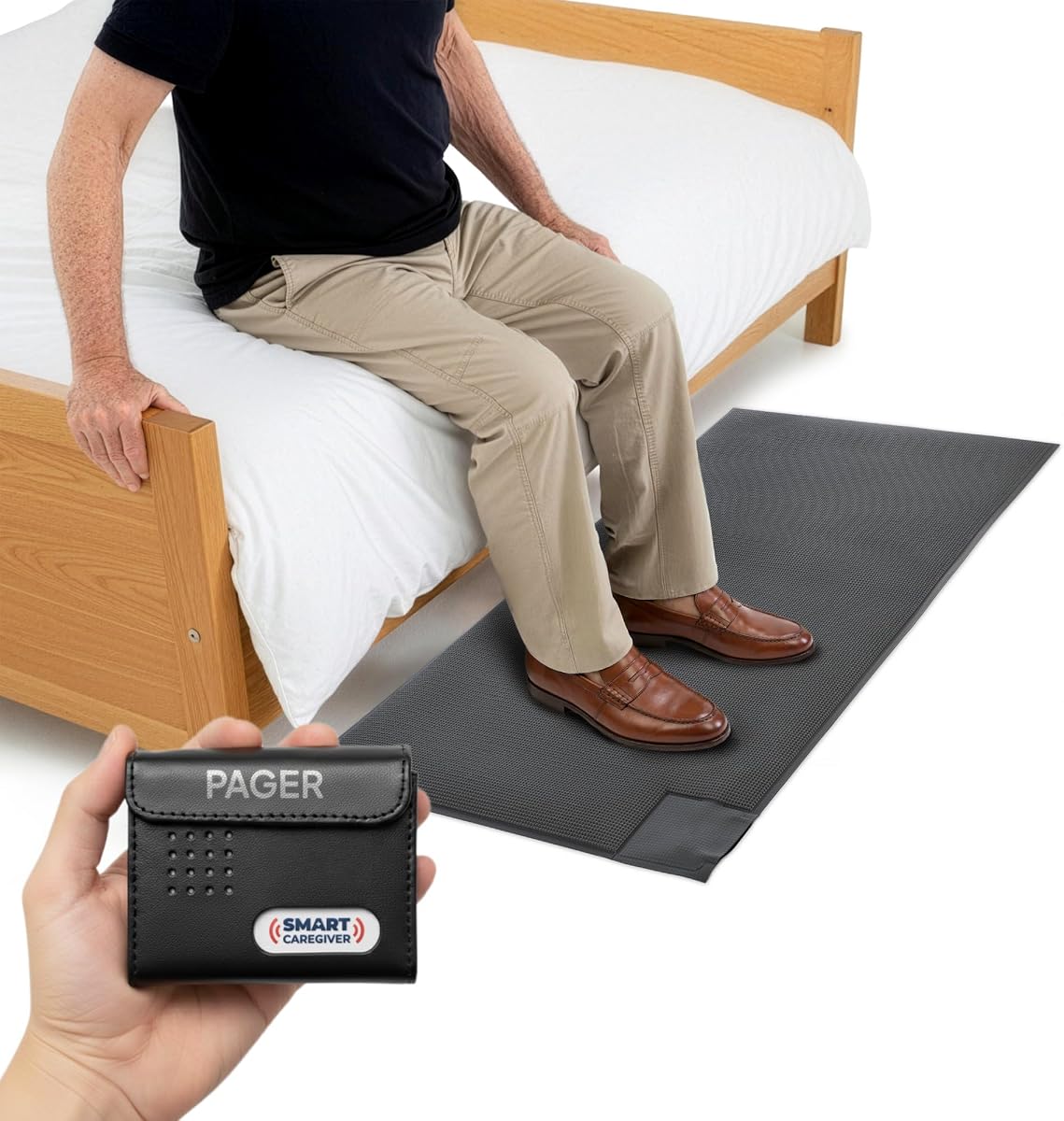
The Smart Caregiver Floor Mat Alarm is designed for wandering prevention by alerting caregivers when a patient steps on a large floor mat. This can be placed by the bed or near an exit door.
We may earn a commission when you buy through this link, at no additional cost to you.
The included wireless pager allows the caregiver to move around the home while still being notified. It features both sound and vibration modes, ensuring notifications are received without disturbing others.
Since the mat is placed on the floor, it avoids the discomfort of a mattress sensor. However, it requires space on the floor and careful placement to prevent the patient from tripping on it accidentally.
This system works well for monitoring exits. It is a strong option for dementia patients who tend to wander during the night, giving caregivers peace of mind when they are elsewhere in the house.
Placing the mat near a door helps prevent wandering outside. This proactive alert gives you time to intercept the patient before they leave the safe area of the home.
We may earn a commission when you buy through this link, at no additional cost to you.
The Smart Caregiver Bed Exit Alarm focuses on early alert fall prevention with a weight-sensing bed pad. It wirelessly notifies caregivers when pressure is removed, indicating the patient has left the bed.
We may earn a commission when you buy through this link, at no additional cost to you.
The system supports up to six different sensors, allowing you to monitor multiple areas like beds, chairs, and doors with one pager. This scalability makes it a flexible choice for growing care needs.
Reliability is a key strength here, with an engineered sensor designed to reduce false alarms. However, proper placement under the shoulders is necessary for immediate alerts, which requires attention to detail during setup.
This system is great for those wanting an expandable safety network. The American company support adds a layer of trust, ensuring help is available if you encounter technical issues with the device.
Being able to connect multiple sensors means one pager can watch the bed, a chair, and a door. This comprehensive monitoring keeps the patient safe wherever they move in the home.
We may earn a commission when you buy through this link, at no additional cost to you.
The CallToU Bed Alarms offers a portable solution using a motion sensor on the floor to detect feet. The receiver is small and portable, featuring silent and vibration modes for night monitoring.
We may earn a commission when you buy through this link, at no additional cost to you.
With 18 ringtones and volume adjustments, you can choose an alert that fits your home environment. The Type-C charging port is a modern convenience that ensures the receiver does not run out of battery easily.
While it has a lower rating than others, it is a flexible option for those needing a compact unit. The 360-degree sensor rotation helps align it correctly to reduce false alarms from minor room movements.
This unit is suitable for temporary or travel use. Its portability and simple design make it a good backup system or primary choice for rooms where a larger bed pad is not feasible.
Using a Type-C port means you can charge the receiver with many standard cables. This reduces the hassle of carrying specific chargers and keeps the device powered for long periods.
We may earn a commission when you buy through this link, at no additional cost to you.
The Upgrade Professional Bed Sensor Alarm delivers a high range and factory-paired convenience. You simply load batteries, and it is ready to use without complex pairing steps.
We may earn a commission when you buy through this link, at no additional cost to you.
It offers four alert modes including sound with light flashing, giving you visual and audio options. The Micro USB power option allows it to run continuously without worrying about battery depletion constantly.
This system is particularly useful in large open areas due to its 918-foot range. It serves as a strong alternative for those who prefer motion detection over pressure pads for their loved ones.
Best for households needing a long-range solution. Its combination of visual and audio alerts ensures that caregivers with hearing loss or visual acuity issues can still receive important safety notifications.
The LED light flashing provides an extra layer of notification. This is helpful if the sound is turned down or if the caregiver is in a noisy environment like a kitchen or workshop.
We may earn a commission when you buy through this link, at no additional cost to you.
The Smart Caregiver Bed and Chair Exit Alarm System includes both bed and chair pads, covering more ground for patient safety. It warns caregivers when a patient attempts to leave a chair or bed.
We may earn a commission when you buy through this link, at no additional cost to you.
The monitor features a phone-style clip, making it easy to move between the bed and chair setups. The pads are made of soft vinyl with sealed interiors, offering durability and hygiene protection.
This is a comprehensive solution for those who monitor both sitting and lying positions. While it is wired, the clip design keeps the unit secure and accessible without needing a table or mount.
Ideal for patients who sit for long periods. Having both pads in one box ensures you are prepared for any movement risk whether they are transferring to a chair or attempting to stand.
The chair pad adds protection where falls often happen during transfer. Knowing when someone gets up from a chair helps you intervene before they reach for unsupported surfaces.
We may earn a commission when you buy through this link, at no additional cost to you.
The Bed Sensor Pad and Pager offers a functional setup for monitoring patients with dementia. Its 32 by 13-inch pad is resistant to tears and easy to clean with a simple wipe.
We may earn a commission when you buy through this link, at no additional cost to you.
The wireless pager has a 300-foot range and includes music and vibration modes. This variety of alert options ensures the caregiver can find a signal that works best for their specific needs.
While the rating is lower, it remains a cost-effective option for basic monitoring. The portability of the pager allows for freedom of movement within the home while maintaining a connection to the patient.
Best for those seeking a simple pad system. It provides essential fall prevention without advanced features, making it suitable for straightforward care situations where reliability is key.
Using a music alert can feel less aggressive than a loud alarm. This might reduce anxiety for patients who are easily startled by harsh sounds when they wake up unexpectedly.
We may earn a commission when you buy through this link, at no additional cost to you.
Choosing the right alarm requires balancing sensor sensitivity with patient comfort and caregiver needs. This guide breaks down the key factors to help you make an informed decision.
Sensors come in two main types: pressure pads placed under sheets and motion sensors placed on the floor. Pressure pads are discreet but can cause discomfort. Motion sensors avoid contact but may trigger from pets or floor movement.
Select the type that your patient tolerates best. If they resist lying on a pad, a floor motion sensor is often a better choice.
Wireless pagers allow caregivers to move freely while monitoring. A range of 300 feet or more is recommended for larger homes so you can be in the kitchen or yard and still hear the alarm.
Ensure the range fits your home layout so you never miss a critical alert due to distance or walls blocking the signal.
For bed pads, the material matters significantly for sleep quality. Look for soft, quiet fabrics or TPU materials that do not make noise when the patient shifts positions.
A comfortable pad ensures the patient sleeps well, which reduces agitation and improves overall health outcomes.
Not all patients can handle loud sirens. Look for systems with volume control, vibration-only modes, or custom ringtones that alert you without waking the patient or disturbing others.
Customizable alerts give you the flexibility to adjust the system as the patient's needs change over time.
Systems with replaceable batteries are generally more sustainable and reliable than those with built-in rechargeable cells that degrade over time. AAA or AA batteries are easy to find and swap.
Check if the system uses common battery types to ensure you can keep it running without expensive proprietary replacements.
Incontinence is common in dementia care. Pads with waterproof seals prevent damage and make cleaning easier. This ensures the device lasts longer and remains hygienic.
Always choose a waterproof option if there is any chance of moisture exposure to protect the internal electronics.
Some systems support multiple sensors like door or chair pads. If you need to monitor multiple areas, a system that can pair with extra sensors saves money on extra monitors.
An expandable network provides comprehensive safety coverage across the entire home.
Complex installation can deter caregivers from using the device. Look for tool-free setups where you simply slide the pad under the sheet or tape a sensor to the floor.
Quick and simple setup ensures the alarm is up and running immediately without professional help.
Place the sensor pad under the fitted sheet near the patient's hips or shoulders depending on the model. Ensure the cords are neatly tucked away so they do not trip anyone.
Test the system by having someone simulate getting up to verify the alarm sounds. Check the battery level indicators regularly and replace batteries before they run low.
Clean the sensor pad weekly with a damp cloth to remove dust and ensure hygiene. Keep the receiver away from direct sunlight or moisture to prevent damage.
These alarms use a sensor pad under the sheet or a motion detector on the floor to detect movement. When the patient tries to leave the bed, a wireless pager alerts the caregiver immediately.
Yes, they are safe when used correctly. The sensors are non-intrusive and designed to prevent falls. Always ensure the patient is not restricted or tied to the sensor.
Many models allow for vibration-only alerts or soft music tones to avoid startling the patient. The alarm can be set to notify caregivers without waking the person in bed.
Some systems come with chair pads, while others use universal sensors. You may need a specific chair pad to monitor falls when someone stands up from a seated position.
Wireless pagers typically work from 300 feet to over 900 feet in open areas. The range depends on the specific model and the layout of your home.
Most waterproof pads can be wiped clean with a damp cloth and mild soap. Avoid soaking the electronics or using harsh chemicals that might damage the material.
Selecting the best bed alarm depends on your specific care environment and patient preferences. The Twin Size Wireless Bed Alarms offers top comfort and range, while the PELEGON model is excellent for simplicity.
Prioritize features like waterproofing and customizable alerts to ensure the system fits your routine without causing stress. A quiet and reliable alarm will help maintain dignity for your loved one.
Always check current prices and availability before purchasing as stock varies by retailer. We hope this guide helps you find the perfect safety solution for your family.