
Canon EOS R50
4.5Editor score
24.2MP APS-C sensor
4K video recording
Advanced autofocus system
Discover the top cameras for dental photography. Compare specs, ratings, and features of the best intraoral and DSLR options for clinics in 2026.
Choosing the right camera for dental photography is essential for clear documentation and patient communication. High-quality images help dentists visualize treatments and explain procedures effectively to patients seeking care.
We evaluated ten leading options ranging from specialized intraoral tools to versatile DSLR systems. Each product was assessed on image quality, ease of use, software compatibility, and overall value for professionals.
Our list highlights top picks for various needs while detailing specific strengths and weaknesses. Prices and availability change frequently, so verify current details before making your final purchasing decision today.
4.5Editor score
4.4Editor score

4.6Editor score
This side-by-side comparison highlights key specifications and capabilities across all ten products. Use this table to quickly identify which camera matches your specific workflow and imaging requirements.


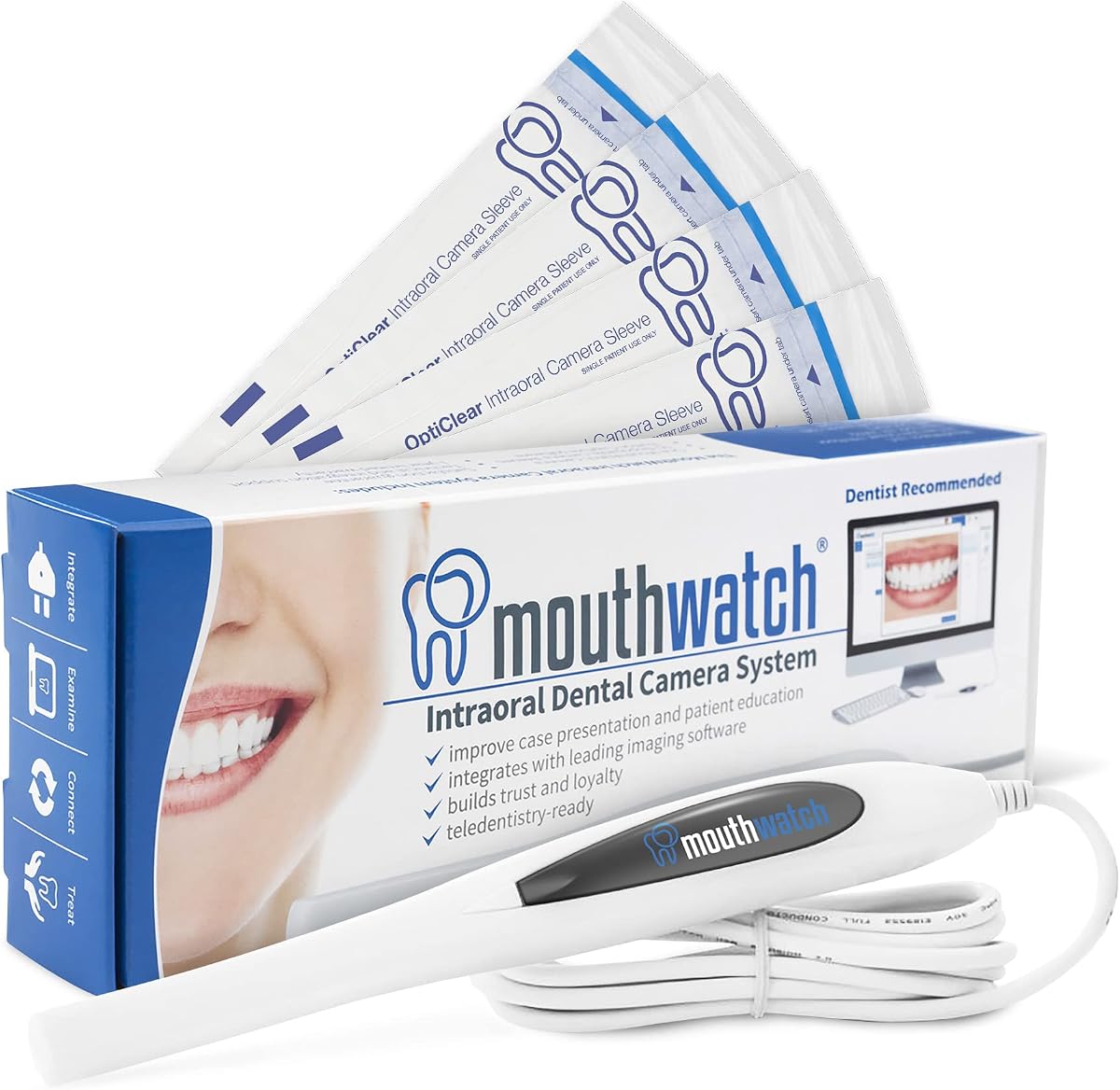
This intraoral dental camera delivers crystal clear images with easy single button operation for fast workflow. It is compatible with over 50 dental imaging suites making integration seamless for busy practices.
We may earn a commission when you buy through this link, at no additional cost to you.
Its 4mm-45mm fixed focal distance eliminates the need for manual focusing. This design reduces frustration and wait associated with auto-focus hunting allowing professionals to capture focused shots instantly.
Trade-offs include a fixed focal distance which limits macro flexibility and a reliance on USB connectivity for data transfer. These factors are acceptable for streamlined intraoral workflows prioritizing speed over advanced optical zoom.
Ideal for dental professionals needing efficient patient case acceptance tools this camera simplifies imaging tasks. It helps patients see treatment needs clearly enhancing case comprehension and acceptance rates significantly.
Proprietary capture software supports major imaging solutions like Eaglesoft Dexis and Apteryx with minimal setup time.
Weighing only 31 grams the camera reduces hand fatigue during extended patient examinations and documentation sessions.
We may earn a commission when you buy through this link, at no additional cost to you.
The Canon EOS Rebel T7 DSLR offers a solid 24.1 Megapixel CMOS sensor for high-resolution dental photography. Built-in Wi-Fi and NFC enable easy sharing of images with patients or colleagues.
We may earn a commission when you buy through this link, at no additional cost to you.
With a 9-point AF system and AI Servo AF it tracks subjects effectively. The optical viewfinder provides 95% viewing coverage aiding precise framing during detailed oral examinations.
Its heavier body and limited autofocus coverage compared to modern mirrorless models are trade-offs. These do not impact static intraoral photos significantly but may slow rapid continuous shooting needs.
Recommended for clinics needing reliable high-quality stills this camera delivers sharp details and vibrant colors. It serves well for documentation requiring clear macro detail of teeth and gums.
Supports Canon EF and EF-S lenses allowing upgrades to macro lenses for enhanced close-up imaging.
ISO range up to 6400 enables shooting in lower light conditions without excessive noise.
We may earn a commission when you buy through this link, at no additional cost to you.
This bundle includes the Canon EOS Rebel T7 with 18-55mm lens plus essential accessories like a 64GB memory card and shoulder bag. It offers exceptional image quality for all levels of users.
We may earn a commission when you buy through this link, at no additional cost to you.
The DIGIC 4+ processor ensures fast operation and reduced noise in dental photography. Seamless sharing via built-in Wi-Fi and NFC helps quickly transfer files to smartphones for immediate review.
Limited lens upgrades are required for advanced macro dental work. While the kit lens is versatile its limitations may necessitate additional gear for specialized high-resolution clinical imaging needs.
Perfect for practices starting digital imaging this bundle provides a complete package out of the box. It balances performance and value making it accessible for smaller clinics or new adopters.
Includes battery charger neck strap and memory card ensuring immediate setup without extra purchases.
Ideal for beginners transitioning to DSLR photography with simplified menu navigation.
We may earn a commission when you buy through this link, at no additional cost to you.
The Canon EOS R50 delivers high image quality with a 24.2 Megapixel CMOS sensor and DIGIC X processor. Its advanced auto focus covers up to 100% of the frame with deep learning tracking.
We may earn a commission when you buy through this link, at no additional cost to you.
With fluid video capture including 4K oversampled recording it supports multimedia dental documentation. The vari-angle touchscreen allows composition from virtually any angle aiding complex positioning.
Higher cost and reliance on RF-S lenses limit flexibility for macro photography. These constraints may require adapter use or additional investment for specialized dental macro lens attachments.
Best for clinics needing advanced video or high-speed stills this mirrorless option excels. It ensures exceptional low-light performance making it versatile for varied lighting environments in the office.
Subject detection and tracking using deep learning technology ensures sharp focus on teeth and gums.
Up to 15 fps with electronic shutter captures rapid sequences without missing critical moments.
We may earn a commission when you buy through this link, at no additional cost to you.
The Sony ZV-1 features a bright ZEISS lens and powerful 20.1 MP 1-inch sensor for vibrant professional-grade results. It is designed for creators with intuitive controls and a vari-angle LCD screen.
We may earn a commission when you buy through this link, at no additional cost to you.
Its 3-capsule directional microphone isolates voices ensuring clear audio for video explanations. Built-in Wi-Fi and Bluetooth enable easy file transfer to smartphones via the Imaging Edge app.
Fixed lens and battery life limitations are trade-offs compared to interchangeable systems. These constraints reduce flexibility for macro dental photography requiring close focus distances beyond standard range.
Recommended for clinics creating patient education videos this compact camera offers excellent quality. Its lightweight build makes it portable for on-site consultations or demonstrations outside the office.
Dedicated buttons for background defocus provide professional-level focus control instantly.
USB-C connectivity enables direct live streaming for virtual dental consultations and education.
We may earn a commission when you buy through this link, at no additional cost to you.
This 8K digital camera offers next-level clarity with an 88MP high-resolution sensor and quick autofocus system. Dual-lens design allows flexible shooting angles for various dental photography scenarios.
We may earn a commission when you buy through this link, at no additional cost to you.
16X digital zoom lets you capture distant subjects with impressive clarity. 6-axis stabilization keeps shots steady and blur-free even on the move or during handheld documentation tasks.
High digital zoom may degrade image quality compared to optical options. Sensor performance may vary under challenging lighting conditions requiring careful handling for professional clinical documentation needs.
Suitable for budget-conscious clinics needing high-megapixel images this camera provides versatility. It delivers impressive quality in both bright and low-light conditions ideal for varied clinical environments.
3.2-inch IPS touch screen allows intuitive frame focus and shoot with precision.
Comes with two high-capacity batteries providing extended shooting time without interruption.
We may earn a commission when you buy through this link, at no additional cost to you.
The DY-50 intraoral camera delivers crystal clear pictures and can be integrated into most North American imaging software. It comes with a capture button driver ensuring seamless workflow with compatible platforms.
We may earn a commission when you buy through this link, at no additional cost to you.
Ergonomic design allows easy pictures from upper and lower arches. Anti-fog and non-spherical lens ensure accurate representation without distortion during clinical documentation and analysis.
Limited software compatibility and basic video size restrict advanced multimedia needs. Users must confirm software support before purchase to avoid needing standalone software solutions later.
Ideal for smaller clinics needing straightforward documentation this camera offers reliability. It allows direct connection to computer USB eliminating the need for additional hardware or setup costs.
Capture button driver enables immediate use with major software platforms without extra configuration.
Supports Windows 10 8 7 XP ensuring broad operating system support for most clinics.
We may earn a commission when you buy through this link, at no additional cost to you.
The DARYOU DY-60 intraoral camera provides 720P HD resolution with 4X zoomable functionality for detailed images. It works seamlessly with major dental software platforms through included capture button drivers.
We may earn a commission when you buy through this link, at no additional cost to you.
4X zoom capability allows closer inspection without manual focus adjustments. This feature enhances case comprehension and treatment visualization for patients requiring detailed explanations of procedures.
Limited to 720P HD resolution may not meet high-resolution standards for some clinics. Zoom may reduce overall sharpness compared to fixed focal options prioritizing optical clarity over zoom versatility.
Suitable for clinics needing basic zoomable imaging this camera balances affordability and utility. Its direct USB connection simplifies setup making it accessible for offices with limited technical support.
4X zoomable feature aids in inspecting small areas without requiring manual focus adjustments.
Compatible with Dexis Apteryx and Carestream among others ensuring flexible workflow integration.
We may earn a commission when you buy through this link, at no additional cost to you.
The UNK Kime-X8S is an all-in-one dental camera system featuring a 17-inch touchscreen for seamless view switching. Built with a high-performance image chip it delivers ultra-smooth high-definition visuals for precise analysis.
We may earn a commission when you buy through this link, at no additional cost to you.
WiFi QR code functionality allows quick transfer of patient photos to any device. This feature streamlines workflow significantly eliminating cables and complicated software setup requirements for clinics.
Requires dedicated hardware and limited customization options compared to modular systems. Integration may be rigid compared to standalone cameras offering more flexibility for varied software environments.
Ideal for clinics seeking plug-and-play efficiency this system simplifies documentation. Its multi-view comparison features support efficient case presentations enhancing communication between providers and patients.
Transfer patient photos to any device in seconds using QR code functionality for fast workflow.
Compare before and after images or multiple angles simultaneously on a split-screen display.
We may earn a commission when you buy through this link, at no additional cost to you.
This dental photography aid offers perfect lighting effects with fully adjustable brightness from zero to 100 percent. Omni directional shooting with support bar ensures ideal view inside of the mouth.
We may earn a commission when you buy through this link, at no additional cost to you.
Flexible handpiece bracket allows angle adjustments for comfortable shots. Compatible with most cell phones and dental photography equipment making it versatile for multiple uses beyond just dentistry.
Requires an external smartphone or camera to function as imaging device. While lighting is adjustable additional camera accessories might be needed for professional-grade documentation workflows.
Best for small practices needing affordable lighting improvements this aid is convenient. It helps show treatment results clearly enhancing communication without expensive standalone camera systems.
Check brightness of illumination with adjustable knob behind each light unit for precise control.
Packed in convenient zip case for easy transporting and non-slip handle for secure grip.
We may earn a commission when you buy through this link, at no additional cost to you.
Selecting the right dental camera requires considering factors like image quality, software compatibility, and ease of use to match your clinical workflow.
High-resolution sensors deliver crisp details needed for accurate diagnosis and patient communication. Look for models offering at least 24MP or specialized intraoral sensors ensuring clarity.
Prioritize cameras with sharp optics and minimal distortion to ensure accurate representation of oral structures.
Seamless integration with existing dental imaging software prevents workflow bottlenecks. Verify compatibility with systems like Eaglesoft Dexis or Dentrix before purchasing.
Confirm the camera supports your software suite to avoid needing additional capture tools or complex setup.
User-friendly controls like one-button capture save time during busy appointments. Ergonomic designs reduce hand fatigue during long sessions.
Choose models with intuitive menus and simple setup to minimize training time for staff.
Proper lighting is crucial for capturing accurate color and detail inside the mouth. Built-in LEDs or compatible lighting kits help overcome low-light challenges.
Adjustable lighting ensures consistent images across different clinical conditions.
USB or wireless connectivity options affect how quickly images are transferred. Fast transfer speeds improve patient throughput efficiency.
Ensure reliable data transfer to your practice management system.
Costs vary widely from standalone accessories to integrated systems. Determine your spending limit and prioritize features that directly impact workflow.
Balance initial cost with long-term value and support availability.
Lightweight cameras offer better handling and reduce strain during extended use. Compact designs fit easily in clinical spaces or mobile setups.
Consider weight if you frequently move the camera between rooms.
Reliable customer support and warranty coverage protect your investment. Look for manufacturers offering quick assistance if issues arise.
Choose brands with responsive service teams.
To get optimal results, ensure the camera lens is clean and dry before each use. Proper lighting helps capture clear images without glare or shadows inside the mouth.
Regularly update camera drivers and software to maintain compatibility with your imaging suite. This prevents connection issues during critical patient appointments.
Store the camera in a safe dry place when not in use. Avoid exposing it to excessive moisture or harsh chemicals to prolong its lifespan.
The best camera depends on your specific workflow. Specialized intraoral cameras like the MouthWatch offer seamless integration with dental software. DSLRs and mirrorless cameras provide higher resolution for detailed macro shots.
Most dental cameras are designed to integrate with common dental imaging suites like Eaglesoft or Dexis. Always verify compatibility with your existing practice management software before buying.
Clean the lens gently with a soft microfiber cloth and avoid harsh chemicals. Keep the camera dry to prevent fogging and maintain image clarity during procedures.
Smartphones with external lighting kits can work for basic documentation but lack specialized optics. Dedicated dental cameras offer better focus and lighting for clinical accuracy.
A resolution of at least 24 megapixels is recommended for detailed documentation. Higher resolution helps capture fine details needed for accurate treatment planning.
Some cameras offer Wi-Fi or Bluetooth connectivity for wireless image transfer. Others use USB connections for direct and stable data transfer to computers.
Our top picks highlight versatile options from specialized intraoral tools to advanced DSLR systems. The Intraoral Camera Crystal Clear stands out for seamless integration and ease of use.
Prioritize image quality and software compatibility when choosing a camera. Ensure the model aligns with your workflow needs and budget constraints for best results.
Remember to check current availability and pricing before purchasing as details may change. Invest in reliable tools to enhance patient communication and practice efficiency.