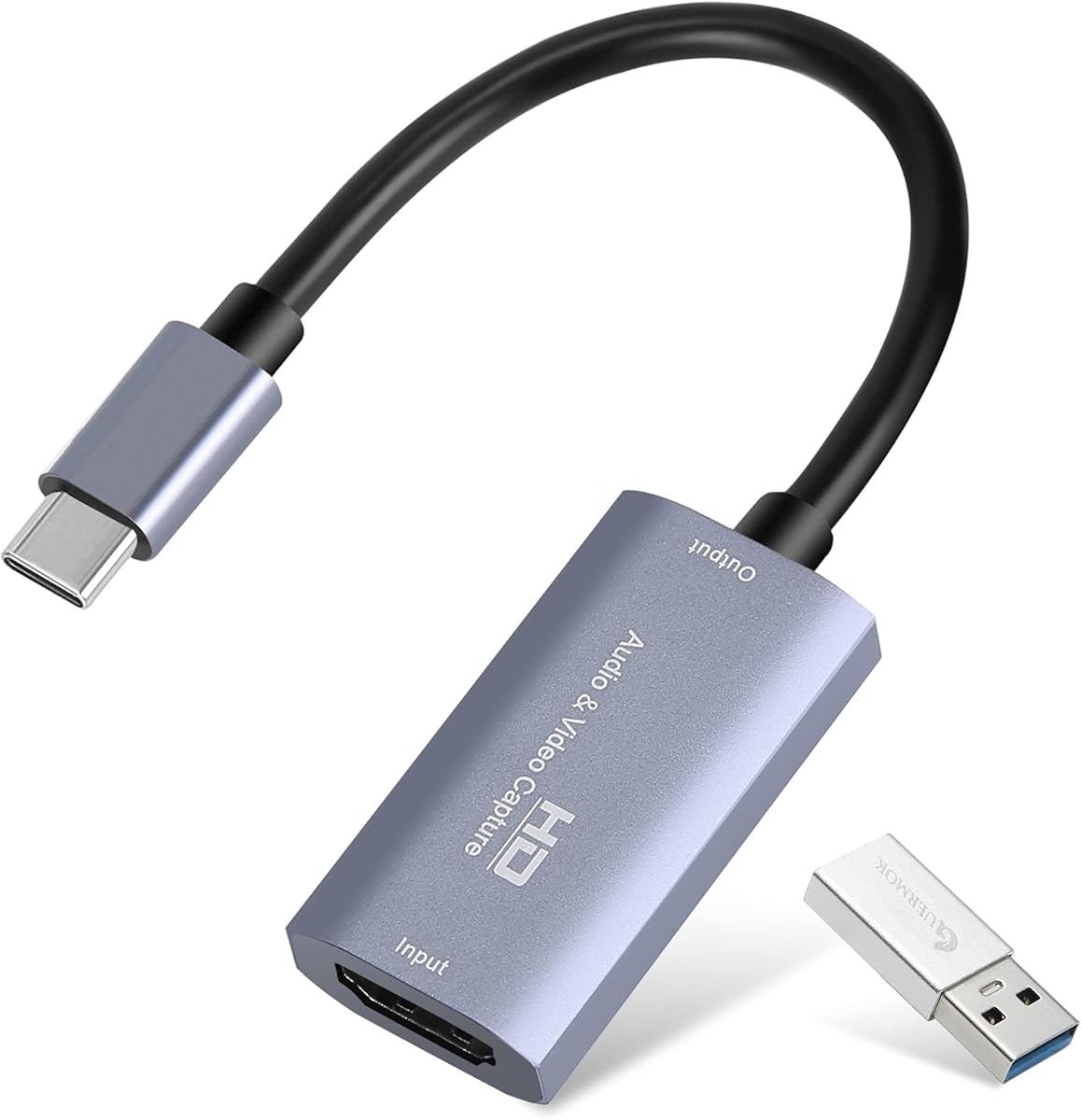
Guermok Video Capture Card
4.4Editor score
USB-C and USB-A ports
Aluminum heat dissipation
Plug and play setup
Discover the top 10 capture cards for Linux. Compare features, compatibility, and real user ratings to find the perfect streaming device for your setup.
Finding a reliable capture card for Linux can be challenging due to driver limitations. This guide highlights models with strong open-source support and plug-and-play functionality.
We compared ten top-rated devices based on video quality, latency, audio inputs, and Linux compatibility. Each product was evaluated using verified user feedback and technical specifications.
Each section below details the strengths and weaknesses of every pick. Prices and availability change frequently, so always check the current listing before purchasing.
4.4Editor score

4.4Editor score

4.2Editor score
This side-by-side comparison helps you quickly identify which capture card fits your specific Linux workflow and hardware needs.


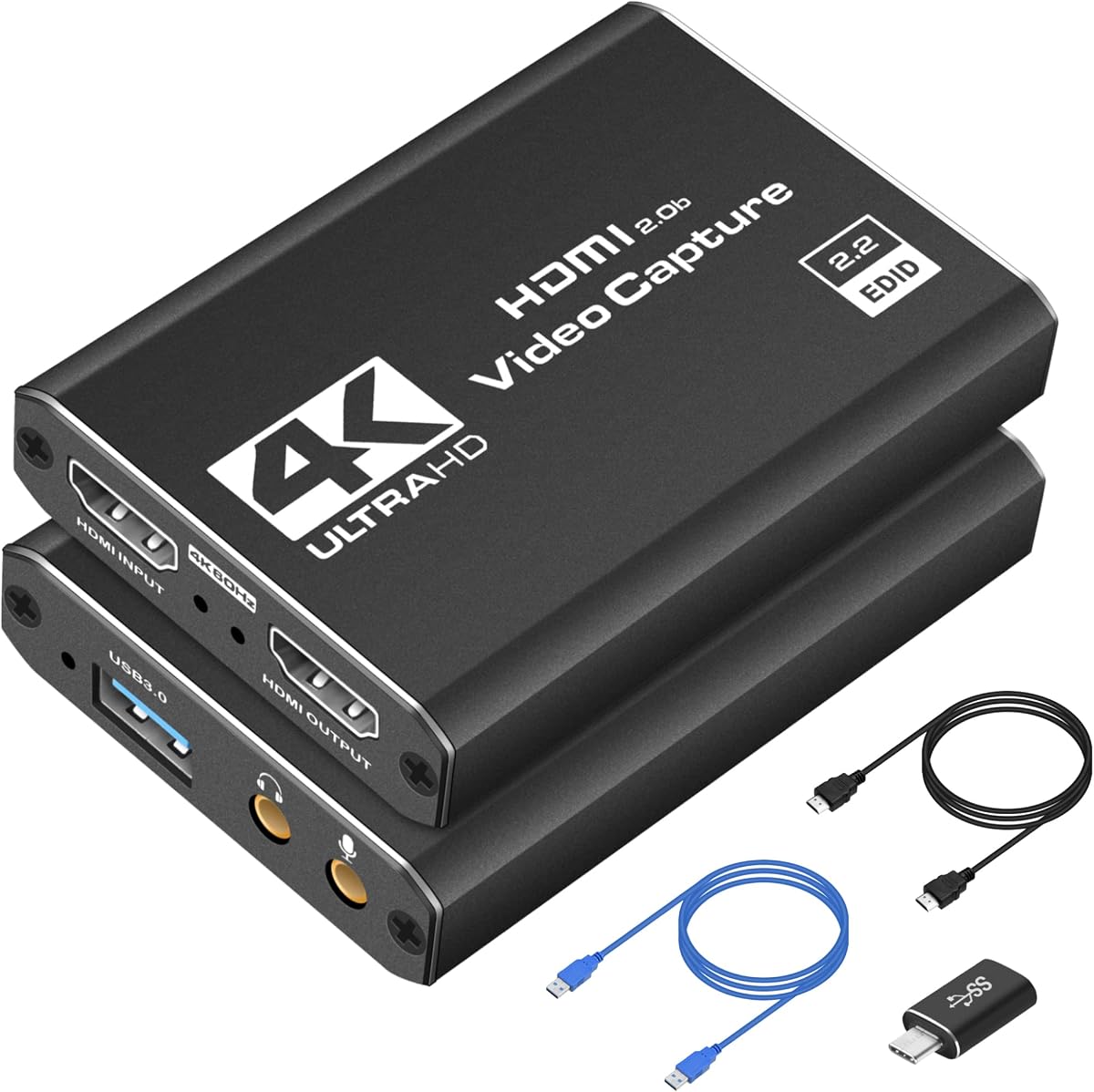


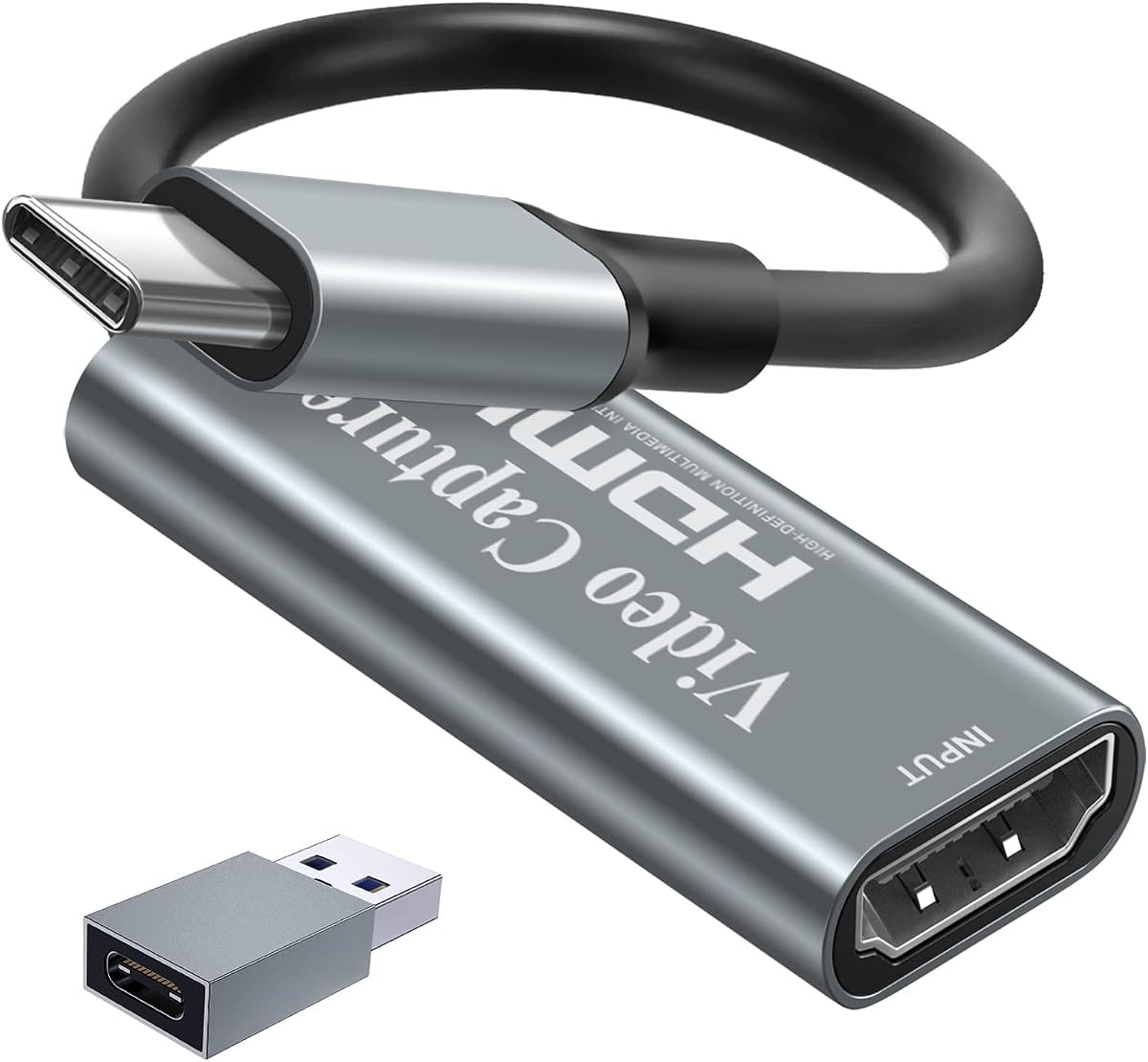
The acer USB 3.0 HDMI Capture Card delivers smooth 1080P 60Hz recording with minimal latency. It has a 4.4 rating and is known for its reliability in streaming scenarios.
We may earn a commission when you buy through this link, at no additional cost to you.
It features YUY2 technology for richer colors compared to MJPEG. The built-in mic-in port allows for direct audio commentary without extra adapters. Linux users can rely on its plug-and-play UVC protocol support.
The output is limited to 1080P even with 4K input. The build is lightweight and may feel less robust than premium options. These trade-offs are acceptable for budget-conscious creators.
This card is ideal for beginners and casual streamers who need a simple solution. It pairs well with OBS on Linux and requires no driver installation.
YUY2 technology ensures lifelike colors during live streaming and recording sessions.
Plug in a headset directly to sync voice commentary with video instantly.
We may earn a commission when you buy through this link, at no additional cost to you.
The UGREEN capture card is a top pick for Linux users. It has a 4.4 rating and supports 4K input with 2K 30FPS output. Its aluminum casing ensures stable performance.
We may earn a commission when you buy through this link, at no additional cost to you.
It features both USB-A and USB-C ports for flexibility. The HDMI loop-out allows real-time monitoring without delay. Linux users appreciate its UVC driver-free support.
You must turn off HDCP for PS5 and Xbox consoles. The output is capped at 2K 30FPS even if input is 4K. This is acceptable for most streaming needs.
This card is perfect for gamers and content creators needing reliable Linux support. It works flawlessly with OBS and XSplit on Ubuntu and Fedora.
Select MJPEG or YUY2 formats to balance compression and clarity.
Aluminum casing promotes effective heat dissipation for prolonged use.
We may earn a commission when you buy through this link, at no additional cost to you.
The Guermok Video Capture Card offers excellent value with 1080P 60FPS output. It has a 4.4 rating and is widely used for live gaming and online classes.
We may earn a commission when you buy through this link, at no additional cost to you.
It supports both USB-C and USB-A for broad device compatibility. The aluminum alloy casing helps with heat dissipation. Linux users can stream via OBS without drivers.
Audio output may require a software restart after setup. It supports one-way transmission only. These minor issues do not hinder core performance.
This card is great for travelers and beginners. It fits easily in bags and works with Linux systems seamlessly.
Choose between Type-C and Type-A based on your device requirements.
Enjoy real-time preview to avoid blue screens during gaming.
We may earn a commission when you buy through this link, at no additional cost to you.
The Newhope USB 3.0 HDMI Capture Card provides 1080P 60FPS capture with 4K pass-through. It has a 4.2 rating and is designed for hassle-free setup.
We may earn a commission when you buy through this link, at no additional cost to you.
Its HDMI loop-out lets you play without delay while capturing. It also includes a mic input for commentary. Linux users can use it immediately without installation.
The capture output is limited to 1080P. The build is simple and may lack premium features. These trade-offs make it suitable for entry-level use.
This card is ideal for quick video conferences and game streaming. It works reliably with OBS on Linux.
Play on an external display while capturing simultaneously without lag.
Add external commentary using a 3.5mm TRS microphone headset.
We may earn a commission when you buy through this link, at no additional cost to you.
This capture card is engineered for gamers and content creators who want 1080P 60FPS video. It has a 4.4 rating and is praised for its simplicity.
We may earn a commission when you buy through this link, at no additional cost to you.
It works instantly out of the box with no drivers needed. Its lightweight design makes it perfect for travel. Linux users find it fully compatible with OBS.
The device lacks a loop-out port for monitoring. The casing is basic. These factors are acceptable given its portable nature and price.
This card suits creators who switch setups often. It ensures reliable capture for competitive gaming and live broadcasts.
Stream or record from virtually any HDMI-enabled device easily.
Play without lag while your audience watches every frame in real time.
We may earn a commission when you buy through this link, at no additional cost to you.
This UGREEN capture card offers 4K@30Hz input with 2K@30Hz output. It has a 4.5 rating and supports post-production quality preservation.
We may earn a commission when you buy through this link, at no additional cost to you.
It supports high-speed USB 3.0 for low delay. The dual USB-A and USB-C interfaces ensure broad compatibility. Linux users can stream via Potplayer or OBS.
Output is limited to 2K 30FPS. HDCP must be turned off for PS5. These constraints are standard for budget cards.
This device is perfect for creators needing high input fidelity. It balances clarity and compatibility well.
5 Gbps transfer ensures stable signal transmission for streaming.
Built-in cable with tinned copper conductors reduces signal loss.
We may earn a commission when you buy through this link, at no additional cost to you.
This capture card delivers smooth Full HD 1080P 60FPS recording. It has a 4.6 rating and includes audio monitoring ports.
We may earn a commission when you buy through this link, at no additional cost to you.
It supports mic and headphone outputs for synchronized streaming. Linux users recognize it instantly. The aluminum casing helps dissipate heat.
Output is capped at 2K 30Hz. The cables are basic. These limitations are acceptable for its price range.
This card suits users needing audio monitoring during streams. It works reliably across multiple platforms.
Includes HDMI cable, USB cable, and manual for quick setup.
Backed by an 18-month warranty and responsive customer support.
We may earn a commission when you buy through this link, at no additional cost to you.
This AVerMedia card provides 4K60 HDR passthrough with 1080p60 recording. It has a 4.0 rating and includes Streaming Center for easy setup.
We may earn a commission when you buy through this link, at no additional cost to you.
It features ultra-low latency for real-time response. Linux users can use OBS as well. It supports various formats like NV12 and YUY2.
The user rating is lower than others. It encourages proprietary software usage. These factors may deter Linux purists.
This card suits those wanting seamless gaming while streaming. It ensures minimal lag during broadcasts.
Play in 4K60 HDR while recording in 1080p60.
Choose formats to match your workflow from streaming to editing.
We may earn a commission when you buy through this link, at no additional cost to you.
This Papeaso capture card is designed for 1080P 60FPS recording. It has a 4.2 rating and focuses on USB-C compatibility.
We may earn a commission when you buy through this link, at no additional cost to you.
It offers fluid video without freezing. Linux users can use it with OBS. The USB-C port supports more modern devices.
It lacks USB-A compatibility without adapters. No loop-out is available. These are trade-offs for its design.
This card suits users with USB-C laptops. It ensures high-resolution input with minimal delay.
Compatible with most HDMI devices like PS4 and Switch.
Record high-resolution video without freezing or delay.
We may earn a commission when you buy through this link, at no additional cost to you.
The AVerMedia Live Gamer Ultra S captures 4K60 HDR with VRR support. It has a 4.2 rating and supports ultrawide recording.
We may earn a commission when you buy through this link, at no additional cost to you.
It records 5.1 audio and supports VRR. Linux users can stream via OBS. It ensures smooth gameplay on supported displays.
The price is higher than standard cards. macOS support requires specific versions. These trade-offs are justified for premium features.
This card suits pro streamers needing advanced features. It delivers stunning 4K capture for content creation.
Record VRR up to 1440p60 with ultrawide input support.
Capture 5.1 audio with OBS via USB 3.2 connection.
We may earn a commission when you buy through this link, at no additional cost to you.
Selecting a capture card for Linux requires attention to driver support, video quality, and port compatibility.
Ensure the capture card supports UVC protocol to work without drivers. Linux kernels now support many capture cards natively. Avoid models requiring proprietary software that may not run on Linux distributions.
Prioritize cards with open-source driver support. This ensures stability and long-term functionality.
Look for capture cards that support at least 1080P at 60Hz for smooth streaming. Some budget cards cap output at 30Hz which can cause motion blur. Check if 4K input is supported even if output is lower.
Higher frame rates are essential for fast-paced gaming. Ensure the card meets your specific resolution needs.
USB 3.0 is recommended for reliable data transfer. USB-C ports are becoming standard on modern laptops. HDMI loop-out is a critical feature for gaming without lag.
Confirm your system has the necessary ports. Adapters may be required for older systems.
Check if the card has a microphone input for commentary. Some cards handle audio processing better than others. Ensure sync between audio and video is maintained.
Audio monitoring features can enhance streaming quality. Prioritize cards with dedicated audio jacks.
Aluminum casings dissipate heat more effectively. Compact designs are better for portability but may sacrifice robustness. Check reviews for long-term reliability.
A durable build ensures consistent performance. Avoid plastic-only designs for frequent use.
Verify compatibility with OBS, Streamlabs, or XSplit on Linux. Some cards come with proprietary software not available on Linux. Open-source compatibility is key.
Software limitations can affect streaming capabilities. Choose a card with broad software support.
Budget options exist for basic streaming needs. Higher-end cards offer better resolution and VRR support. Balance cost with required features for your use case.
Read user reviews to gauge value for money. Avoid overpaying for unused features.
Connect the capture card to your computer's USB 3.0 port. Plug the HDMI cable from your console or camera into the input port. The system should recognize the device immediately.
Use OBS to configure the video source settings. Adjust resolution and frame rate to match your capture card capabilities. Ensure audio is selected correctly in the mixer.
Store the card in a protective case when not in use. Avoid exposing it to excessive heat or moisture. Regularly check for driver updates if needed.
Yes, many capture cards work with Linux using UVC protocol. They do not require drivers. Check specific compatibility before buying.
60Hz offers smoother motion and better for gaming. 30Hz may cause lag in fast-action videos. Higher refresh rates improve viewer experience.
Most modern cards do not need drivers on Linux. Kernel support handles recognition. Some may require updates for newer distributions.
Loop-out ports allow real-time preview without delay. This is essential for gaming. It lets you play while capturing simultaneously.
Yes, if the capture card supports 4K input. Check output specs. Some cap output at 1080P or 2K.
OBS works with most UVC-compatible cards. Configure video source to use the capture device. Audio must be added separately if not auto-detected.
We reviewed ten capture cards for Linux offering various features and price points. The UGREEN and Guermok models stand out for their compatibility.
Prioritize Linux support, video quality, and port connectivity when choosing. Ensure the card matches your streaming or recording needs.
Always check the current price and availability on Amazon. Features may change with updates so verify before purchase.