
YSI-605202 Pro Series Galvanic
4.8Editor score
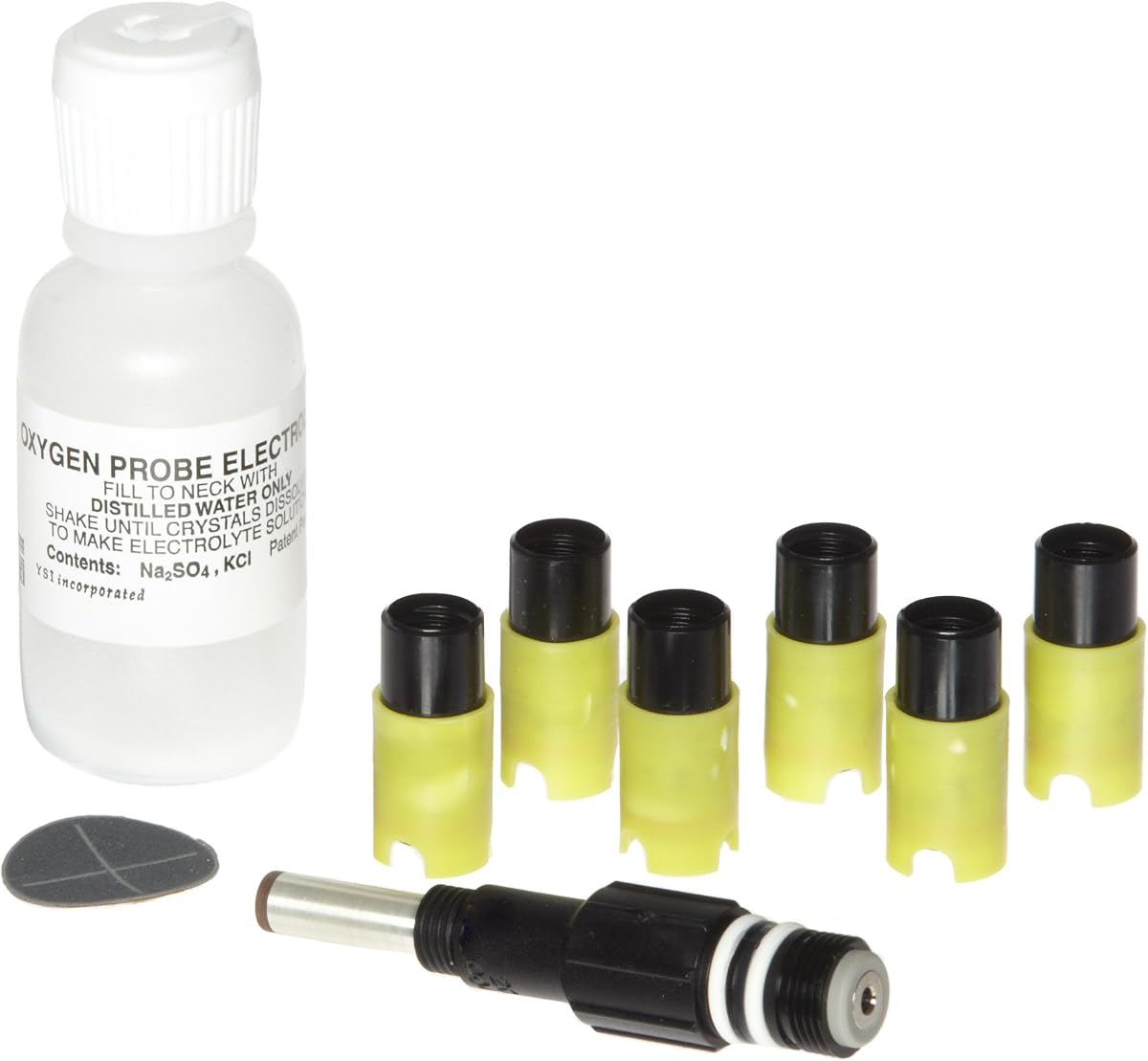
User-replaceable sensor
Screw-on cap membranes
Includes six caps and solution
Compare the top 10 dissolved oxygen sensors for 2026. Expert reviews, real ratings, and detailed specs to help you choose the best water quality monitor.
Choosing the right dissolved oxygen sensor is crucial for maintaining healthy water environments in aquaculture, aquariums, and industrial applications. These devices measure the amount of oxygen available in water, which directly impacts the health of fish, plants, and microorganisms. A reliable sensor ensures accurate readings, helping you make informed decisions to prevent oxygen depletion and ensure optimal water quality.
This guide evaluates ten leading dissolved oxygen sensors based on accuracy, ease of use, durability, and connectivity features. We compared galvanic, polarographic, and optical technologies across various price points to identify the best options for hobbyists, professionals, and IoT developers. Each product was analyzed for its calibration methods, maintenance requirements, and compatibility with different monitoring systems.
Each pick in this list highlights key strengths, potential limitations, and ideal use cases to help you find the perfect match for your specific needs. While prices may fluctuate, the technical specifications and user ratings remain consistent indicators of performance. Review the details below to understand which sensor delivers the best value and reliability for your water quality monitoring setup.
4.8Editor score
4.4Editor score

The following table provides a side-by-side comparison of all ten dissolved oxygen sensors evaluated in this guide. It highlights key specifications, sensor types, and unique features to help you quickly identify the model that best fits your monitoring requirements.



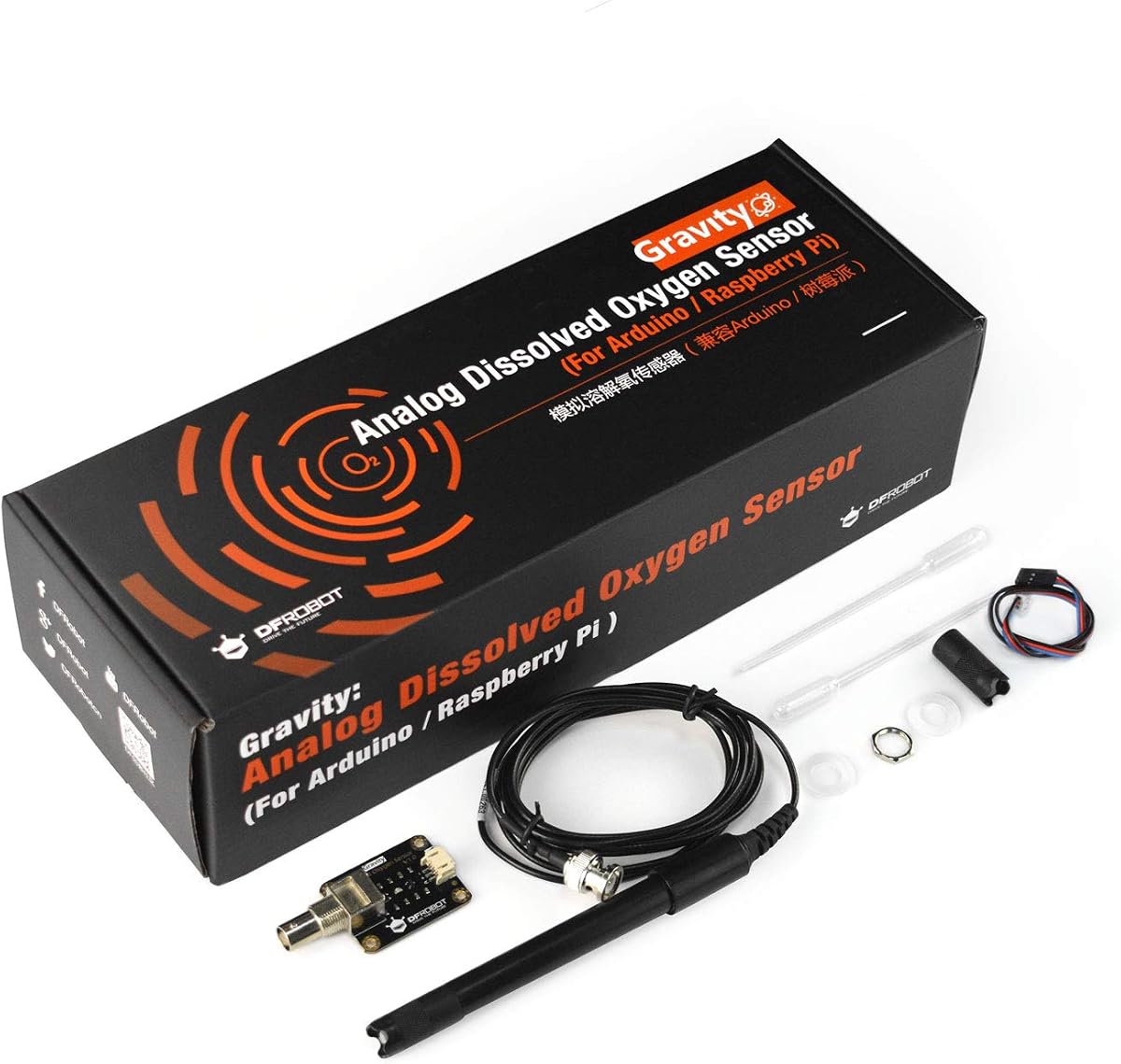
The Gravity Analog Dissolved Oxygen Sensor Kit stands out as a top choice for IoT developers and hobbyists needing reliable water quality monitoring. With a 4.4-star rating, it offers a galvanic probe that eliminates the need for pre-heating or polarization, ensuring immediate measurements anytime. This feature makes it particularly suitable for intermittent power supplies and low-power systems.
We may earn a commission when you buy through this link, at no additional cost to you.
Its hardware filtering ensures a stable signal with low jitter, reducing the need for complex software processing. The wide voltage range supports compatibility with Arduino, ESP32, and Raspberry Pi. Documentation is comprehensive, including open-source code and calibration algorithms for precise temperature compensation, making deployment seamless for aquaculture or lab environments.
While the sensor performs well, note that the filling solution is not included due to shipping constraints. However, preparing it locally is straightforward. This minor inconvenience is outweighed by the long-term cost savings from replaceable membrane caps and low maintenance requirements, ensuring your project stays operational longer.
Ideal for those building smart water monitoring systems, this kit provides the right balance of performance and ease of use. It is especially recommended for developers who need quick, accurate readings without complex setup processes. The included spare parts and detailed guides further solidify its position as a top IoT solution.
The galvanic probe design allows for immediate measurements without waiting for warm-up times.
Replaceable membrane caps and solutions extend sensor life and reduce replacement costs.
We may earn a commission when you buy through this link, at no additional cost to you.
The LDO Dissolved Oxygen Sensor 9020000SLU is a robust option designed for demanding industrial and laboratory applications. Although it lacks public user ratings, its specifications highlight a focus on delivering accurate and consistent results. The sensor is built with materials that ensure long-term durability, making it suitable for harsh environments where reliability is paramount.
We may earn a commission when you buy through this link, at no additional cost to you.
Its user-friendly design simplifies setup and reduces maintenance costs, which is critical in professional settings where downtime must be minimized. The sensor improves efficiency by providing quick and stable performance, ensuring continuous monitoring without frequent recalibration. This reliability is essential for maintaining compliance in water treatment or environmental testing protocols.
While the performance is strong, the price reflects its specialized industrial grade. It may not be cost-effective for casual hobbyists or small-scale aquariums. However, for facilities requiring dependable water analysis over extended periods, the investment in this durable sensor is justified by its consistent output and low maintenance needs.
This sensor is best suited for professionals and organizations that need precise, reliable data for critical applications. Its versatility across industrial and laboratory settings makes it a valuable asset for quality control. If durability and accuracy are your top priorities, this model offers a premium solution.
Built to withstand demanding conditions while delivering consistent and accurate measurements.
Low maintenance requirements reduce long-term operational costs in professional settings.
We may earn a commission when you buy through this link, at no additional cost to you.
The YSI-605203 Pro Series Polarographic Dissolved Oxygen Sensor is designed for laboratory environments requiring high precision. With a 4.6-star rating, it offers reliable polarographic technology that ensures accurate readings for scientific analysis. The compact package dimensions and lightweight design make it easy to handle and transport between lab stations.
We may earn a commission when you buy through this link, at no additional cost to you.
Its polarographic technology is well-established for precise measurements, though it requires regular membrane maintenance. The sensor is a dedicated lab supply product, indicating its suitability for controlled environments. The straightforward packaging and single-unit quantity suggest it is intended for direct professional use rather than casual testing.
While the sensor performs well, users should be prepared for the maintenance requirements typical of polarographic sensors. Regular membrane changes and electrolyte refills are necessary to maintain accuracy. However, for lab professionals who need consistent and precise data, this sensor delivers the reliability required for critical experiments.
Ideal for research labs and educational institutions, this sensor provides the precision needed for rigorous testing. Its portability is an added advantage for mobile lab setups. If accuracy and ease of handling are your priorities, this YSI model is a strong contender for laboratory applications.
Delivers accurate readings essential for scientific research and analysis.
Compact size allows for easy transport between different testing locations.
We may earn a commission when you buy through this link, at no additional cost to you.
This Dissolved Oxygen Meter with ATC is a comprehensive kit designed for aquariums and fish tanks, offering more than just DO readings. With a 4.0-star rating, it provides multi-parameter testing including temperature, salinity, and barometric pressure. The large LCD display ensures easy readability, while the included 11.48 ft cable allows for flexible placement.
We may earn a commission when you buy through this link, at no additional cost to you.
Its smart features include auto temperature compensation and 99-data memory, making it user-friendly for regular monitoring. The durable design operates in a wide temperature range, and the complete kit includes everything needed for immediate use. This makes it a practical choice for hobbyists who want a one-stop solution for water quality.
While the rating is moderate, the features offer good value for the price. Some users may find the manual salt compensation less convenient than automatic systems. However, the portability and complete accessory set, including membranes and electrolyte, add significant value. It is well-suited for home aquariums and educational settings.
Ideal for users seeking an all-in-one water testing tool, this meter simplifies maintaining optimal conditions for aquatic life. The IRDA port adds a modern touch for data transfer. If you need a versatile and portable solution for aquarium maintenance, this kit provides the necessary tools and features.
Measures multiple parameters beyond oxygen to ensure comprehensive water quality monitoring.
Includes all necessary accessories for immediate deployment and long-term maintenance.
We may earn a commission when you buy through this link, at no additional cost to you.
The YSI-605202 Pro Series Galvanic Dissolved Oxygen Sensor earns a top 4.8-star rating for its exceptional reliability and ease of use. Designed for professionals, it features a user-replaceable sensor that simplifies maintenance without requiring tools. The convenient screw-on cap membranes make changing consumables quick and straightforward, reducing downtime.
We may earn a commission when you buy through this link, at no additional cost to you.
Its galvanic technology ensures consistent and accurate measurements, essential for critical water quality monitoring. The inclusion of six membrane caps and a bottle of solution adds immediate value, allowing for extended use right out of the box. This attention to user convenience highlights YSI's commitment to professional-grade solutions.
While the price is on the premium side, the durability and ease of maintenance justify the investment. The sensor is built to withstand frequent use, and the replaceable design extends its overall lifespan. For labs or facilities where sensor reliability directly impacts operations, this model offers peace of mind.
Ideal for professional applications, this sensor delivers high accuracy with minimal hassle. It is particularly recommended for users who prioritize ease of maintenance and long-term value. If you need a dependable tool for frequent testing, this YSI sensor is a top-tier choice.
Tool-free sensor replacement and screw-on membranes simplify routine maintenance tasks.
Includes multiple membrane caps and solution to support immediate and prolonged deployment.
We may earn a commission when you buy through this link, at no additional cost to you.
The Zopsc 2 Pack DO Dissolved Oxygen Tester brings modern connectivity to water quality monitoring. Although it lacks user ratings, its features highlight a focus on convenience and portability. The wireless connection allows for real-time data transmission to smartphones within a 10-meter range, enabling easy monitoring without cables.
We may earn a commission when you buy through this link, at no additional cost to you.
Its weather-shielded floating design ensures durability in wet environments, protecting internal circuits from accidental submersion. The multilingual app interface supports eight languages, making it accessible for international users. A 500mAh battery provides up to five days of continuous use, reducing the need for frequent recharging.
While the app dependency may be a limitation for some users, it simplifies data logging and reporting. The ability to export records via email is particularly useful for aquaculture and field research. For budget-conscious users seeking a modern solution, this tester offers a unique blend of features and affordability.
Ideal for tech-savvy hobbyists and researchers who need portable monitoring, this tester simplifies the process. The included two-pack ensures redundancy or simultaneous monitoring. If you want a wireless and user-friendly option for basic testing, this Zopsc model is a compelling budget choice.
Real-time data transmission to smartphones allows for easy monitoring and data logging.
Weather-shielded design protects the unit during field use in various conditions.
We may earn a commission when you buy through this link, at no additional cost to you.
The YSI DO200 Kit EcoSense is a portable professional-grade solution for dissolved oxygen measurement. With a 4.5-star rating, it offers high accuracy with a 0.01ppm resolution. The kit includes automatic temperature compensation, which simplifies the process of getting accurate readings across different water temperatures. This makes it ideal for fieldwork and on-site testing.
We may earn a commission when you buy through this link, at no additional cost to you.
Its ease of use is enhanced by the easy-to-replace screw-on cap membranes, which reduce maintenance time. The manual input for salinity and barometric pressure ensures precision when environmental conditions vary. The inclusion of a battery and sturdy construction further solidify its reputation as a reliable professional tool.
While the price is higher than entry-level models, the accuracy and durability justify the cost for professionals. Manual input for salinity might require a bit more effort but ensures precise measurements. For labs or environmental agencies needing dependable data, this kit delivers the necessary performance and reliability.
Ideal for environmental consultants and aquaculture professionals, this meter provides the precision required for compliance and quality control. Its portability allows for testing at multiple locations without compromising accuracy. If you need a trusted tool for professional monitoring, this YSI kit is a strong choice.
0.01ppm resolution ensures detailed and reliable measurements for critical applications.
Quick membrane replacement reduces downtime and keeps the meter operational longer.
We may earn a commission when you buy through this link, at no additional cost to you.
The YSI 6900 ProDSS ODO Optical Sensor represents advanced optical technology for dissolved oxygen measurement. Unlike traditional electrochemical sensors, optical sensors do not require electrolyte refills or frequent membrane changes, significantly reducing maintenance. It is designed specifically for the ProDSS system, ensuring seamless integration and accurate data collection.
We may earn a commission when you buy through this link, at no additional cost to you.
Its reliability is supported by robust construction that withstands harsh environmental conditions. Optical technology is often more stable over time, making it suitable for long-term monitoring deployments. The sensor delivers consistent results without the drift associated with polarographic or galvanic probes, which is crucial for continuous monitoring.
While it is a specialized component for the ProDSS system, this limits its use to those already invested in the platform. However, the benefits of low maintenance and high accuracy make it a superior choice for industrial or research applications. If you need a long-term solution for continuous monitoring, this optical sensor is ideal.
Ideal for organizations using YSI's ProDSS multiparameter systems, this sensor enhances measurement capabilities without adding maintenance overhead. Its optical design ensures reliability in various water conditions. For advanced monitoring needs where accuracy and durability are paramount, this sensor offers a premium solution.
Eliminates the need for electrolyte and membrane maintenance, saving time and resources.
Designed to work perfectly with the ProDSS system for unified data collection.
We may earn a commission when you buy through this link, at no additional cost to you.
The DAN&DRE Portable Dissolved Oxygen Meter simplifies setup with its automatic two-point calibration feature. This allows users to quickly achieve accurate readings without manual adjustments, which is ideal for frequent testing. The intelligent temperature compensation ensures consistent data across varying water temperatures, eliminating guesswork.
We may earn a commission when you buy through this link, at no additional cost to you.
Its modular design allows for easy replacement of the electrode, extending the device's life and reducing long-term costs. The high resolution of 0.01mg/L and fast response time of under 15 seconds make it effective for real-time monitoring. These features make it versatile for aquariums, aquaculture, and water treatment applications.
While it lacks extensive user reviews, the technical specifications suggest a strong performance-to-price ratio. The modular approach is a significant advantage over non-replaceable models. If you value ease of calibration and durability, this meter offers practical benefits for daily water quality checks.
Ideal for users needing quick and accurate measurements without complex procedures, this portable analyzer is a strong contender. Its modular design provides flexibility for long-term use. For home aquarium owners or small-scale farmers, this meter delivers reliable performance at an accessible price point.
Automatic 0% and 100% calibration buttons save time and ensure accuracy.
Modular design allows for easy electrode replacement instead of buying a new unit.
We may earn a commission when you buy through this link, at no additional cost to you.
This Dissolved Oxygen Meter with ATC stands out for its comprehensive accessory kit, including electrode filling fluid and calibration powder. With a wide measurement range of 0 to 40 mg/L, it covers most common testing scenarios. The built-in temperature sensor and gold-silver electrodes ensure fast and consistent readings.
We may earn a commission when you buy through this link, at no additional cost to you.
Its two-point automatic calibration simplifies setup, while the automatic shutdown feature preserves battery life for long-term use. The inclusion of six spare membrane caps ensures you are prepared for ongoing maintenance. This all-in-one approach is particularly appealing for users who want everything they need in one purchase.
While the features are basic compared to high-end models, the complete kit adds significant value. The focus on user convenience and affordability makes it a strong choice for beginners or casual testers. If you are setting up a new aquarium or need a reliable backup, this meter offers practical utility.
Ideal for those looking for a straightforward and complete water testing solution, this meter provides the essentials without complexity. The spare parts and fluids included save extra trips to the store. For budget-conscious users who need accuracy and convenience, this option delivers reliable results.
Includes essential fluids, powders, and spare parts for immediate and extended use.
Automatic shutdown helps preserve battery life during long monitoring sessions.
We may earn a commission when you buy through this link, at no additional cost to you.
Selecting the right dissolved oxygen sensor requires understanding the specific demands of your environment and the technology that best suits your needs. This guide outlines key factors to consider before making a purchase to ensure you get reliable and accurate performance.
Dissolved oxygen sensors primarily use galvanic, polarographic, or optical technology. Galvanic sensors are self-powered and easy to use but may require membrane replacement. Polarographic sensors need polarization time and are highly accurate for lab use. Optical sensors use luminescence and require minimal maintenance, making them ideal for long-term monitoring.
Choose the technology that aligns with your maintenance willingness and measurement precision requirements.
Ensure the sensor covers the specific range required for your application, whether it is low-oxygen industrial wastewater or high-oxygen freshwater. Look for high resolution and accuracy to detect subtle changes in water quality, which is critical for sensitive aquatic environments.
Verify the specifications match your operational needs to avoid underestimating or overestimating oxygen levels.
Automatic calibration features significantly reduce setup time and human error. Two-point calibration ensures accuracy at both 0% and 100% saturation levels. Manual calibration requires more effort but can be more customizable for unique conditions.
Prioritize sensors with auto-calibration if you need frequent testing or lack technical expertise.
Temperature significantly affects dissolved oxygen levels. A sensor with automatic temperature compensation adjusts readings based on water temperature to provide accurate data. Without this, your measurements may be skewed by temperature fluctuations.
Always choose a model with built-in temperature compensation for reliable results across varying conditions.
Modern sensors often offer connectivity options like Bluetooth or USB for data logging and smartphone integration. This is essential for tracking trends over time or integrating with IoT systems. Some models also support wireless transmission for remote monitoring.
If data tracking is important for your application, look for models with digital outputs or mobile app support.
The sensor should be robust enough to handle the specific environment, whether it is a harsh industrial setting or a controlled lab. Waterproof ratings and protective housing are crucial for field use. High-quality materials extend the sensor's lifespan.
Invest in durable construction to ensure longevity and resistance to accidental damage.
Consider how often the sensor needs membrane changes or electrolyte refills. Optical sensors often have the lowest maintenance, while electrochemical probes require regular care. A replaceable electrode design can extend the device's life and reduce replacement costs.
Opt for models with low maintenance or modular parts if you plan for long-term use.
While higher-priced sensors often offer better accuracy and durability, entry-level models can suffice for hobbyist needs. Balance the budget with the required features to ensure you are not overspending on unnecessary capabilities. Look for kits that include essential accessories to save on additional costs.
Prioritize value by matching the sensor's capabilities to your specific testing needs.
Start by calibrating your sensor according to the manufacturer's instructions. Most models require a 0% and 100% calibration using standard solutions or air saturation. Ensure the sensor is clean and free of debris before starting calibration.
During use, submerge the probe tip into the water sample and wait for the reading to stabilize. Keep the sensor upright to avoid air bubbles forming on the membrane. For continuous monitoring, ensure the sensor is protected from physical damage or extreme temperatures.
Regular maintenance is key to longevity. Replace membranes and electrolytes as recommended, or clean optical sensors gently with a soft cloth. Store the sensor in a protective case when not in use to prevent damage. Always rinse the probe with distilled water after use to avoid contamination.
Calibration frequency depends on usage, but weekly calibration is standard for regular testing. High-precision applications may require calibration before each use. Automatic calibration features simplify this process and ensure consistent accuracy.
Galvanic sensors use electrochemical reactions and require membrane maintenance, whereas optical sensors use luminescence and require minimal maintenance. Optical sensors are generally more durable for long-term monitoring but can be more expensive.
Yes, many models support salinity compensation. Ensure your sensor has automatic or manual salinity adjustment to get accurate readings in saltwater environments. Some sensors may have specific ranges for marine applications.
Look for signs like slow response times, inconsistent readings, or error messages. Regularly inspect the membrane for wear or discoloration. If the readings drift over time, perform calibration or replace the membrane to restore accuracy.
Yes, many models are designed for continuous or long-term monitoring. These often feature low power consumption, durable build, and remote connectivity for data logging. Optical sensors are particularly suited for continuous use due to low maintenance.
Most modern dissolved oxygen sensors have built-in temperature compensation and sensors, eliminating the need for a separate probe. Check the product specifications to confirm if temperature monitoring is integrated into the device.
The Gravity Analog Dissolved Oxygen Sensor Kit, YSI-605202 Pro Series Galvanic, and Zopsc 2 Pack DO Tester represent the top options for different user needs. Whether you prioritize IoT compatibility, professional accuracy, or wireless convenience, these models offer reliable performance.
When choosing a sensor, consider your specific application, required maintenance levels, and budget. Features like automatic calibration and temperature compensation are essential for accurate results across varying conditions. Durability and connectivity also play key roles in long-term satisfaction.
Prices and availability may change, so always check current product details before purchasing. With the right sensor, you can maintain optimal water quality for your aquariums, aquaculture setups, or industrial processes with confidence.