
BoatSense by BilgeBuddy Smart Boat Monitoring System
4.7Editor score
Remote bilge pump control from phone
Integrated GPS tracking and health tests
Instant push SMS and email alerts
Compare the top 10 boat alarm systems with real ratings. Find security, tracking, and monitoring solutions for your vessel.
Securing your vessel is critical for safety and peace of mind. A reliable alarm system detects unauthorized access, water intrusion, or system failures immediately. Choosing the right one depends on your boat type and specific needs.
We evaluated ten top-rated products based on features, durability, and user feedback. Our analysis covers everything from simple vibration alarms to comprehensive monitoring hubs. Each pick offers unique strengths for different boating scenarios.
Every review highlights key specs, pros, and cons to help you decide. Prices and availability can change quickly on marketplaces. Check the latest details before purchasing to ensure you get the best value for your investment.
4.7Editor score

4.8Editor score
5.0Editor score
This side-by-side comparison shows how each product handles security monitoring alerts and durability. Use the table to quickly identify which system matches your budget and technical requirements for comprehensive vessel protection.




This GPS tracker and bilge alarm combo offers essential protection at a value-friendly price. With a perfect five-star rating, it excels in basic monitoring needs for boats left unattended. The IP67 rating ensures it withstands harsh marine environments without fail.
We may earn a commission when you buy through this link, at no additional cost to you.
The system combines real-time location tracking with automatic water detection. A float switch triggers a loud dashboard buzzer when water rises, alerting you immediately to flooding risks. Movement alerts and geo-fence notifications help you monitor your vessel from afar effectively.
While effective, this unit lacks advanced smart controls like remote pump management. It also requires professional installation to ensure proper wiring and sealing in marine environments. These trade-offs are acceptable given the affordable price point for basic peace of mind.
Ideal for boat owners who need reliable theft deterrence and bilge monitoring on a budget. If you want core security without complex app integration, this bundle is a solid choice. It suits seasonal storage scenarios where simple alerts matter most.
Track your boat's location accurately and get instant flood warnings without expensive gear.
Get GPS and alarm in one package so you do not need multiple devices.
We may earn a commission when you buy through this link, at no additional cost to you.
The LocMarine hub stands out as a complete security solution with all sensors included. Rated highly by users, it delivers reliable real-time alerts for bilge, GPS, and battery status. Its rugged build and USA origin add confidence for long-term marine use.
We may earn a commission when you buy through this link, at no additional cost to you.
Using 4G/5G LTE, this hub avoids local Wi-Fi dependencies for consistent connectivity. The included monitoring service for six months provides immediate value upon purchase. Insurance readiness makes it a strong choice for policyholders needing documented security measures.
The cost is higher than basic trackers, and ongoing subscriptions may apply after the promo. However, the all-in-one nature saves you from buying separate sensors or hubs later. This investment is justified for boat owners wanting full vessel oversight.
Choose this if you want a professional-grade system that simplifies security setup. It suits those needing robust tracking and water detection without technical headaches. The combination of sensors and LTE makes it the top pick for comprehensive protection.
Get GPS bilge power and entry alerts in one hub without extra sensor purchases.
Stay connected anywhere with cellular tech that does not rely on local networks.
We may earn a commission when you buy through this link, at no additional cost to you.
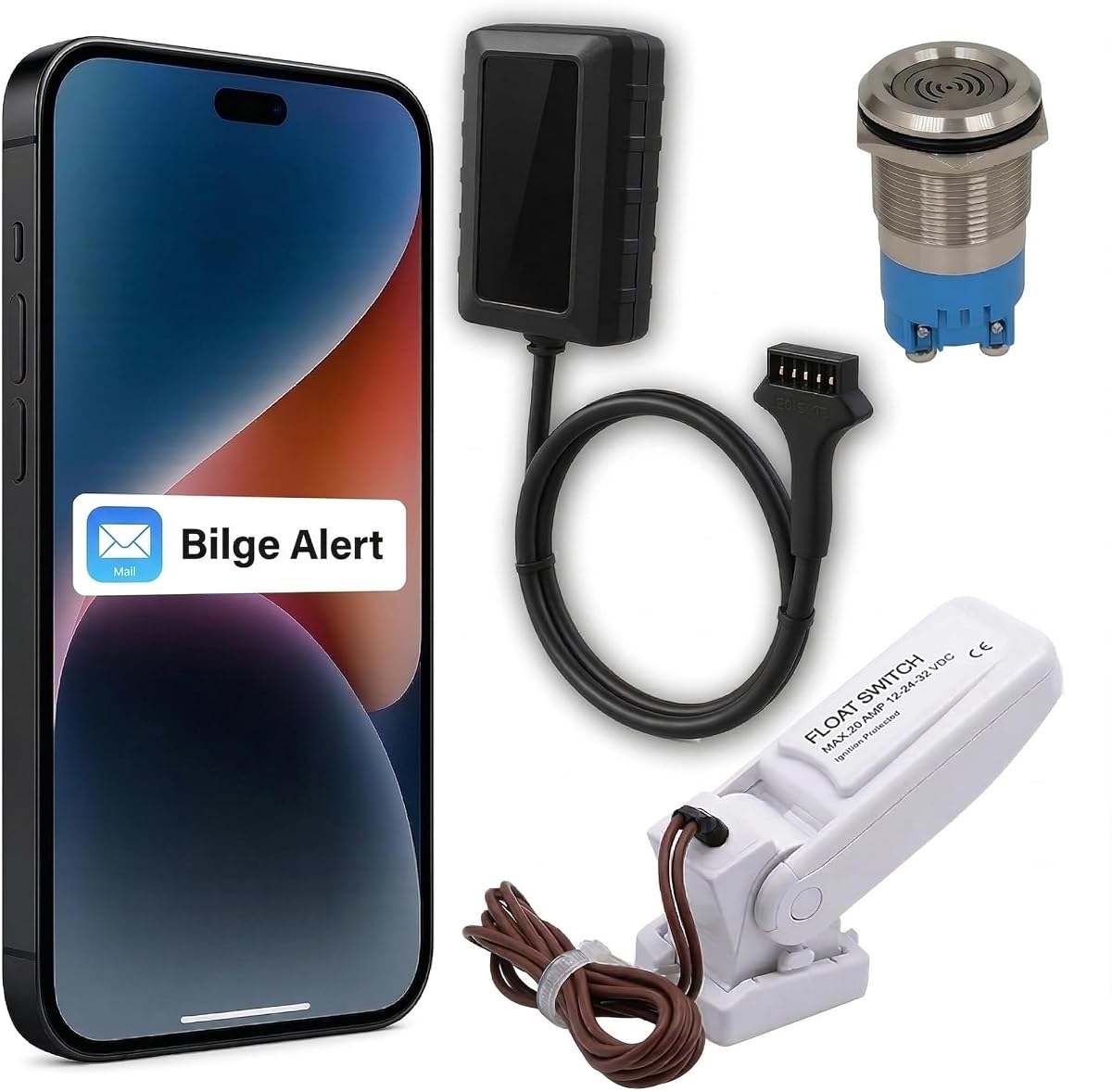
BoatSense elevates monitoring with remote bilge pump control and health testing features. Rated well for ease of use, it provides real-time alerts for water, battery, and system malfunctions. Its smart capabilities make managing boat health simpler from a smartphone.
We may earn a commission when you buy through this link, at no additional cost to you.
The ability to control the pump remotely adds a proactive layer to water management. Regular health tests ensure your bilge system stays operational when you are away. GPS tracking and instant push notifications keep you informed about your vessel's status anytime.
This system comes at a higher cost and integrates primarily with its own ecosystem. If you need third-party sensor compatibility, you may find limitations. Still, the convenience of remote control justifies the expense for tech-savvy boaters.
Opt for this premium option if you want smart home-like convenience on your boat. It suits owners who value proactive maintenance and remote access over basic alarms. The easy installation and all-in-one design make it a top-tier choice.
Activate your bilge pump from your phone to handle water issues instantly.
Regular automated checks prevent unexpected failures while your boat sits.
We may earn a commission when you buy through this link, at no additional cost to you.
This wireless gateway powers your smart boat system without draining the vessel's battery. It delivers alerts quickly and links to a suite of sensors for full oversight. The self-powered design and marine-grade construction make it reliable for long-term use.
We may earn a commission when you buy through this link, at no additional cost to you.
Powered by AA batteries for years, it avoids complex wiring or external power needs. You can ping your boat location anytime whether docked or stored. Its US origin and durable build provide confidence in challenging marine conditions.
You will need to buy Oversea sensors separately to maximize this hub. The system works best as part of the full ecosystem rather than standalone. Still, the drop-in installation saves time and effort compared to wired systems.
Buy this if you want a battery-independent hub for comprehensive monitoring. It is ideal for boat owners who prefer wireless setups and US-made quality. Pair it with the full sensor suite for maximum security and peace of mind.
Use AA batteries for power to protect your boat's main electrical system.
Get vessel health and location data via IoT connectivity from anywhere.
We may earn a commission when you buy through this link, at no additional cost to you.
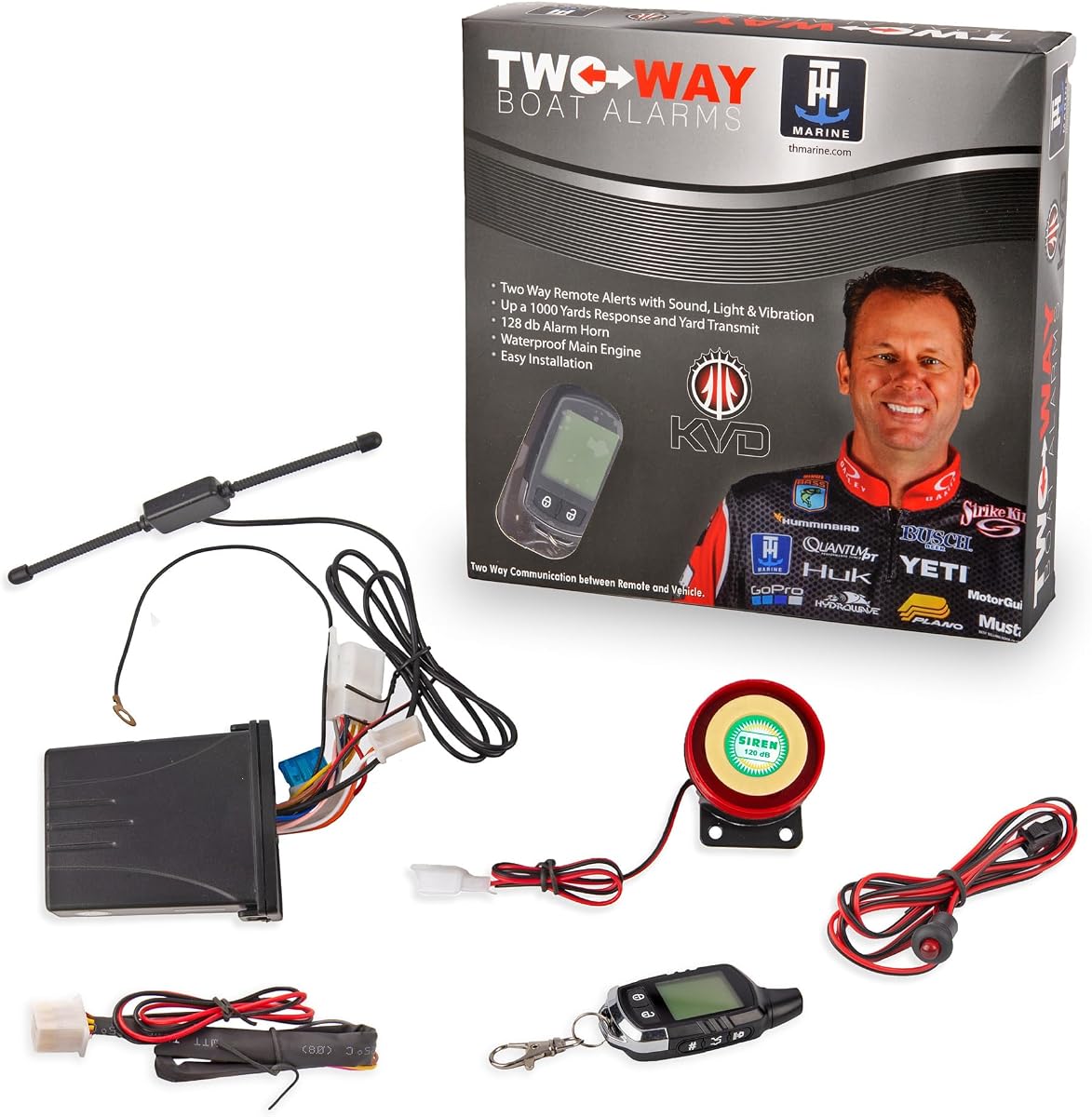
This traditional security system uses shock detection and a loud horn for deterrence. It offers a long-range remote that confirms alarm triggers with vibration and flash. The rugged waterproof design suits outdoor marine environments well enough for basic needs.
We may earn a commission when you buy through this link, at no additional cost to you.
The adjustable shock sensor lets you fine-tune sensitivity to your boat's motion. With a 128 dB horn, it sounds loudly when impact or motion is detected. The remote's feedback ensures you know when your boat is disturbed from far away.
Lower user ratings suggest potential reliability issues compared to modern hubs. It lacks smart connectivity and app integration found in newer models. These trade-offs are acceptable if you prefer a simple standalone alarm over complex systems.
Pick this if you want a cost-effective shock alarm with remote feedback. It suits owners who need loud alerts without wiring or smart features. Use it for short-term parking or as a supplemental layer to other security.
Know immediately if your boat is hit thanks to remote vibration and lights.
Customize the sensor to avoid false alarms from waves or minor impacts.
We may earn a commission when you buy through this link, at no additional cost to you.
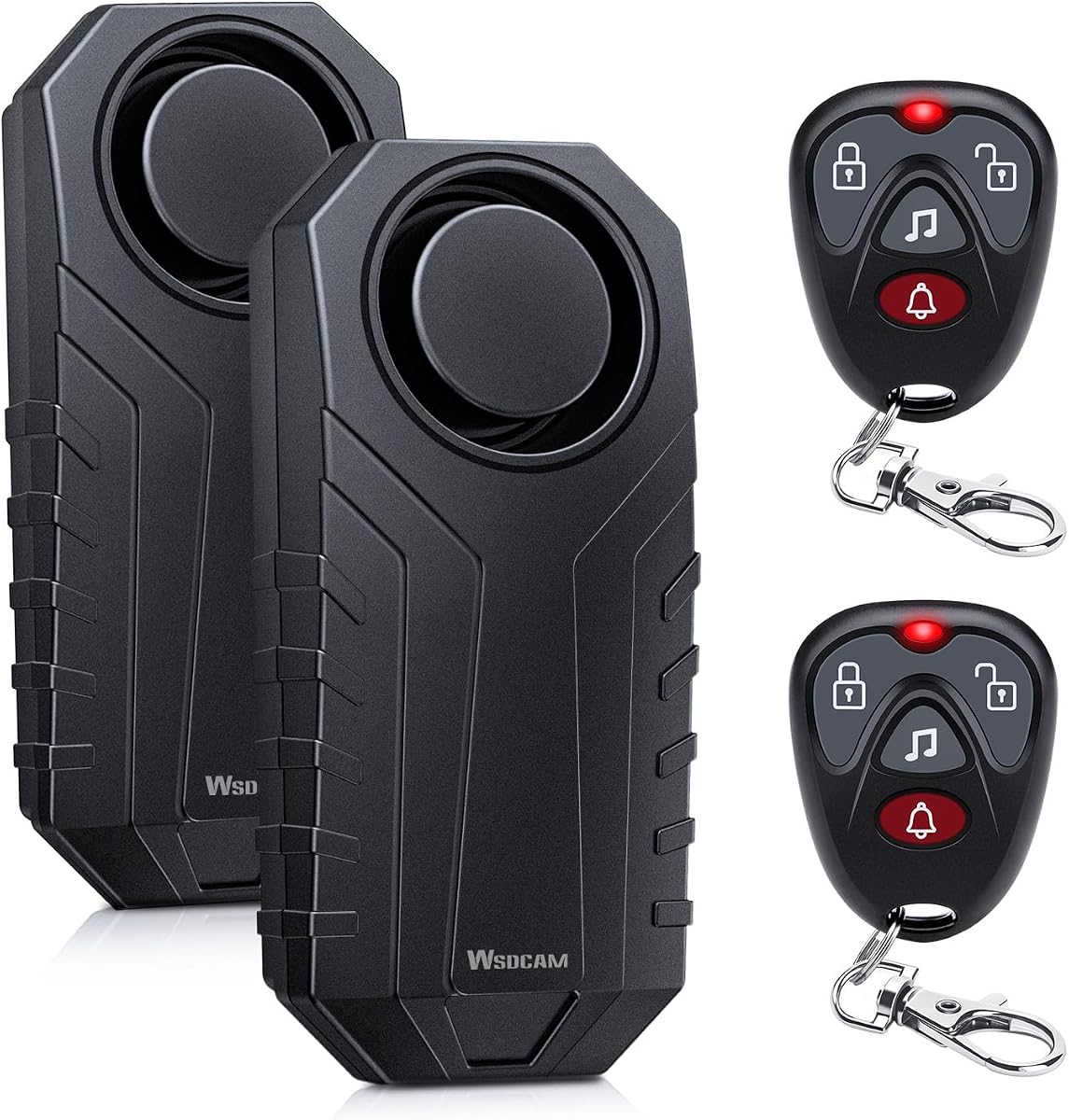
A versatile vibration alarm designed for bikes but useful for small boat areas. It sounds a loud 113 dB alarm when vibration is detected to deter theft. The waterproof rating and remote control make it adaptable for outdoor security needs.
We may earn a commission when you buy through this link, at no additional cost to you.
Installation is straightforward with stickers and straps, allowing flexible placement. The remote offers a vehicle search function and noise maker for convenience. SOS functions add an extra layer of safety in case of emergency falls.
This unit is not a dedicated marine system, so it lacks bilge or GPS features. It works best as a portable deterrent for deck or console protection. The compact design and high volume compensate for its limited scope effectively.
Use this for securing small boat compartments or as a supplemental alarm. It fits budget-conscious owners needing loud alerts without complex wiring. Combine with other systems for comprehensive coverage of your vessel.
Scare off potential thieves with an incredibly loud alarm that draws attention.
Install anywhere quickly without permanent wiring or specialized marine gear.
We may earn a commission when you buy through this link, at no additional cost to you.
This annunciator provides clear alerts for engine and gear problems to your crew. Perfect for marine pilot houses, it ensures issues are spotted early before they escalate. The perfect rating highlights its reliability in critical monitoring situations.
We may earn a commission when you buy through this link, at no additional cost to you.
A flange mount is included for straightforward installation in control panels. It handles up to 10 points of remote alarm inputs for diverse monitoring needs. Its general purpose design fits many commercial and recreational boat setups effectively.
This unit requires separate sensor wiring and professional setup to function fully. It is not a standalone alarm but a display for other systems. The technical nature suits those with existing electrical setups rather than DIY users.
Select this if you need a professional way to display multiple system alerts. It suits larger vessels where crew awareness of engine and bilge status is vital. Pair with appropriate sensors for a complete alert network.
Alert your team instantly when critical engine or bilge systems have issues.
Use proven technology designed for demanding marine control environments.
We may earn a commission when you buy through this link, at no additional cost to you.
A remote annunciator model designed to display alarm status away from main panels. It supports ten points of alerts for engine and auxiliary power plant monitoring. This helps keep crew informed without needing to inspect the engine room directly.
We may earn a commission when you buy through this link, at no additional cost to you.
The Less Mount version gives flexibility to choose your own bracket setup. It suits applications where space constraints require a custom mounting solution. The design ensures critical faults remain visible for quick decision making.
You will need to source mounting brackets separately for this model. It is a component that works best within an existing alarm system. This requires planning but offers adaptability for unique boat layouts.
Opt for this if you need a flexible remote display for alarm signals. It suits custom builds where standard mounts do not fit. Ensure you have the necessary brackets before purchase for smooth installation.
Position the alarm display where your crew can see it easily from the helm.
Track multiple systems like gear and bilge on a single display unit.
We may earn a commission when you buy through this link, at no additional cost to you.
This system uses a physical bar across the deck to lock multiple lockers together. It includes an alarm padlock that sounds when motion is detected for added deterrence. The design prevents thieves from popping a single hatch and grabbing gear.
We may earn a commission when you buy through this link, at no additional cost to you.
Adjustable stainless steel fits various boat layouts for custom deployment. Mounting brackets allow easy installation for many bass and bay boats. This security layer keeps tackle and electronics safe when you leave the vessel.
The bar is fixed in place which may limit access to deck space. It is best used when the boat is parked for extended periods. The combination of physical and audio protection offers robust peace of mind.
Choose this if you need hard physical protection for open deck lockers. It suits anglers who store gear openly at ramps or hotels. Use it alongside other alarms for layered security of your boat.
Prevent thieves from opening lockers with a rigid steel bar span.
Add loud audio warning if someone tries to tamper with the bar.
We may earn a commission when you buy through this link, at no additional cost to you.
This PIR sensor detects people or animals moving on your boat and sends alerts. It covers wide areas for decks and cabins to monitor interior and exterior spaces. Self-powered operation means no extra wiring for boat battery power is needed.
We may earn a commission when you buy through this link, at no additional cost to you.
It links wirelessly with an Oversea Hub for seamless communication. The long-range RF ensures reliable signal transmission even in complex hull structures. Waterproof rugged build allows year-round use in harsh marine conditions.
This sensor cannot work alone and requires the Oversea Hub system. It is a modular component designed for expansion within that ecosystem. The dependency limits flexibility for owners not invested in that specific brand.
Buy this to expand your hub's coverage into specific deck or cabin zones. It fits smart owners who want detailed motion tracking without wired sensors. Use it to complement a full hub network for total vessel security.
Receive alerts seconds after movement is detected inside or outside.
Install easily on any surface with multiple mounting options available.
We may earn a commission when you buy through this link, at no additional cost to you.
Selecting a boat alarm depends on your vessel's needs and technical requirements. Consider these factors to match a system to your budget and usage patterns.
Decide if you need simple motion alerts or comprehensive tracking. Systems vary from basic vibration alarms to full hubs monitoring bilge GPS and battery. More sensors provide broader coverage but increase complexity.
Focus on your biggest risks like theft or water intrusion to prioritize sensors.
Check how the system sends alerts to you. Some use local sounds while others connect via LTE or WiFi to your phone. Remote notifications let you know about issues from anywhere.
Choose connectivity that matches your usual proximity to the boat.
Look at how easy it is to install. Wired systems need professional help while wireless hubs often use batteries. Battery models avoid draining your boat's power for long storage.
Prioritize setups that match your DIY comfort and power constraints.
Marine environments are harsh so look for waterproof ratings. Products with IP65 or IP67 ratings withstand saltwater and rain better. Rugged builds ensure longevity in exposed deck or bilge areas.
Verify the weatherproof rating fits your boat's exposure.
Advanced systems offer remote control and health checks. Look for app integration that allows you to manage pumps or sensors from your phone. These features save time and prevent minor issues from becoming major.
Consider if app control adds value to your boating routine.
Some systems include free service for a period while others need subscriptions. Weigh the upfront cost against long-term fees to find the best value. Simple alarms cost less but may lack smart convenience.
Calculate total cost of ownership before purchasing.
If you have existing sensors check if the hub supports them. Some brands are closed ecosystems while others accept third-party devices. Compatibility ensures you can reuse hardware and expand later.
Confirm sensor support matches your current setup.
Check if your marine insurance needs specific security features. Some systems offer insurance-ready documentation for claims or discounts. Using a certified system can lower premiums or simplify processes.
Align your choice with any policy requirements.
Place sensors in high-impact areas like entry points or compartments. Ensure wiring or connections stay dry to maintain proper function over time.
Test the alarm weekly to confirm it alerts your phone correctly. Check battery levels on wireless units regularly to avoid unexpected failures.
Clean sensors with mild solutions and inspect seals for wear. Store the system properly during off-season to prevent corrosion.
Some systems run on your boat's main power while others use batteries. Battery models are ideal for storage to avoid draining your vessel.
Yes smart monitoring systems often include remote control for bilge pumps. This lets you handle water issues from anywhere via an app.
Most modern alarms send push notifications or SMS for water, battery, or theft. Some also send email alerts to keep you fully informed.
Quality marine alarms have IP65 or IP67 ratings to withstand moisture. Check ratings carefully if exposing units to rain or splashes.
Basic alarms do not need subscriptions but smart hubs often do after promos. Verify service terms to understand ongoing costs.
Hub-based systems usually allow adding sensors. Ensure compatibility with your hub model before expanding.
Install GPS trackers under seats or in dry compartments for protection. This keeps them safe while maintaining accurate signal.
Wireless systems are easy to install yourself but wired ones may need a pro. Check product instructions for installation requirements.
We highlighted the top 10 systems for boat security ranging from trackers to hubs. Each offers unique strengths in protection convenience or smart monitoring.
Prioritize your primary risks whether theft flooding or engine health. Match the system to your boat type and technical comfort level.
Check current prices and availability before finalizing your decision. Verify features meet your needs to ensure lasting protection.