
Anker SOLIX F3800
4.5Editor score
6000W Output
EV Charging Support
Expandable Capacity
Discover the top Anker power stations for 2026. Compare capacities, recharging speeds, and features to find the perfect portable power solution for your needs.
Portable power stations have become essential tools for modern life, offering reliable energy for camping, emergencies, and outdoor adventures. Anker has established itself as a leader in this space, delivering innovative solutions that balance performance with portability.
To create this comprehensive guide, we analyzed ten distinct models from Anker's SOLIX lineup. We compared their battery capacities, output wattages, recharging methods, and overall user ratings to determine which units offer the best value and performance for various scenarios.
Each product entry below highlights key specifications, pros, cons, and ideal use cases to help you make an informed decision. Please note that prices and availability can change frequently, so checking the current listing is recommended before purchasing.
4.5Editor score
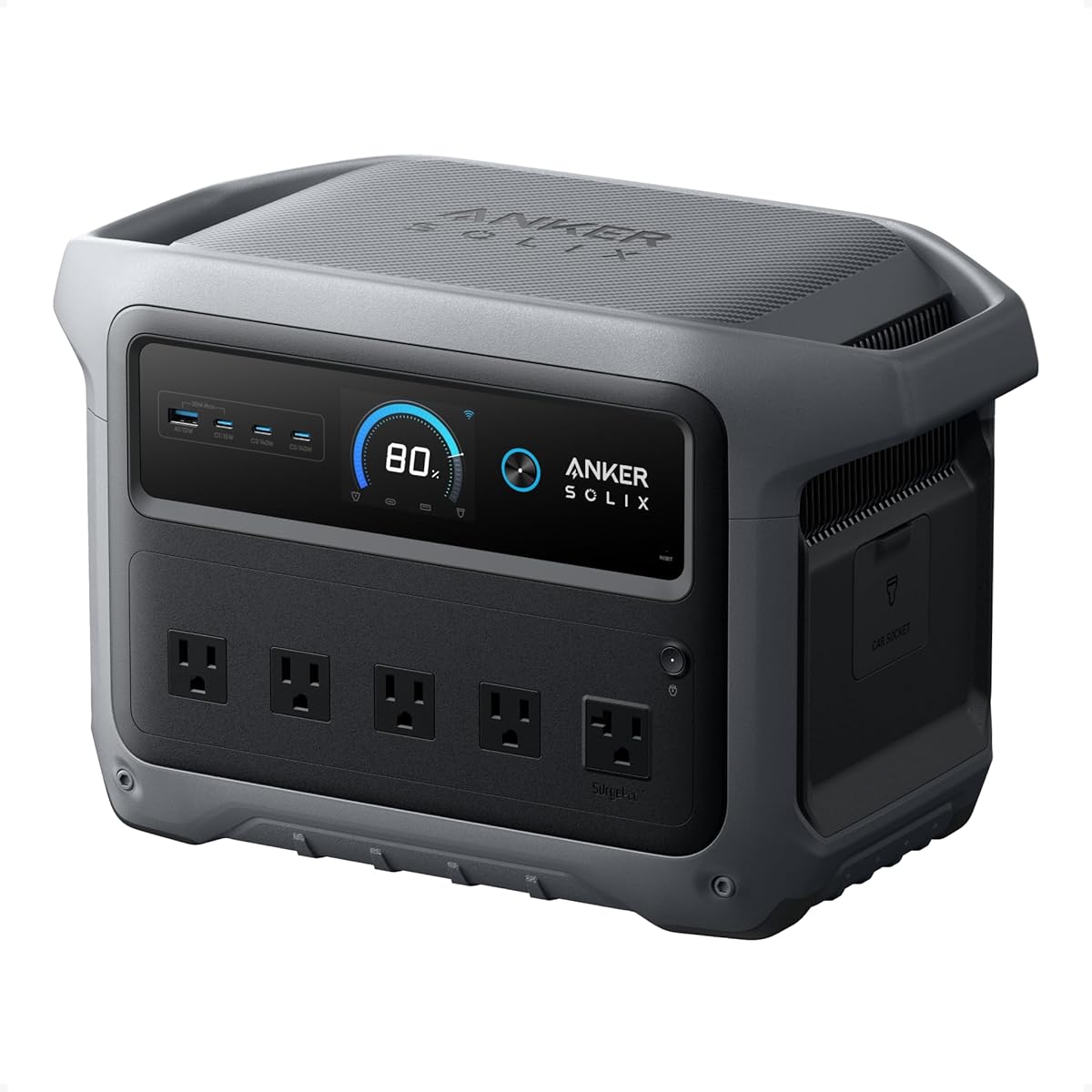
4.7Editor score

4.5Editor score
This side-by-side comparison outlines the core specifications of each model to help you quickly identify the right capacity and power output for your specific requirements.
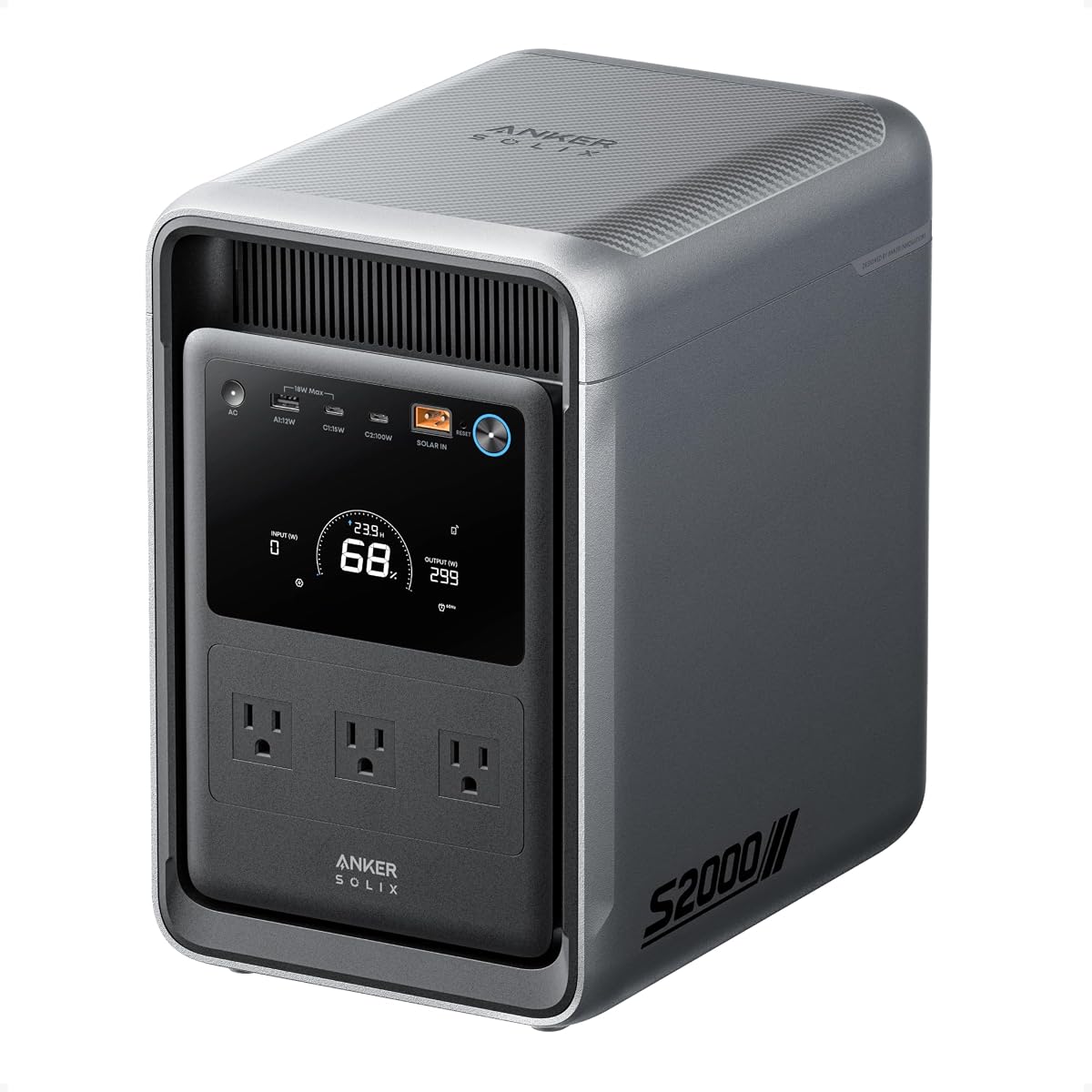


The Anker SOLIX C1000 Gen 2 stands out as a top performer with its exceptional balance of speed and durability. It holds a high 4.7-star rating for good reason, offering a robust 2,000W output suitable for most household emergencies and outdoor setups.
We may earn a commission when you buy through this link, at no additional cost to you.
Its standout feature is the HyperFlash technology, which allows a full recharge in just 49 minutes. This speed is invaluable during outages. The 10-year InfiniPower lifespan ensures the battery remains strong through years of daily use or heavy RV cycling.
While the price is higher than entry-level units, the reliability and speed justify the cost. The TOU mode helps save money by managing peak charges intelligently. It is a premium choice for those who value efficiency over saving every dollar.
If you need a dependable station for home backup or off-grid living, this model delivers consistent power. It supports up to 10 devices, making it versatile for families. We recommend this for anyone prioritizing speed and long-term reliability in their power solution.
The 1,600W input capability allows the C1000 Gen 2 to recover its charge in under an hour, minimizing downtime during critical situations.
Built with InfiniPower technology, this unit promises a decade of life, maintaining over 80% capacity after 4,000 charge cycles.
We may earn a commission when you buy through this link, at no additional cost to you.
The Anker SOLIX S2000 is designed for efficiency, running up to 20% longer than other systems with similar capacity. Its 4.7-star rating reflects its ability to keep essential appliances running for extended periods without constant recharging.
We may earn a commission when you buy through this link, at no additional cost to you.
The key benefit is its low idle power draw, which allows it to power a fridge for 35 hours. This is ideal for home backups where preserving food is critical. The 10,000 charge cycle lifespan ensures it lasts for over 15 years.
Although the solar input is capped at 400W, the unit compensates with high efficiency and multiple charging options like generators. Its compact size makes it easier to move than many 2kWh competitors, fitting into tight spaces.
For homeowners concerned about power outages and food preservation, this station is a top contender. It keeps essential items running without needing frequent fuel top-offs. We recommend it for those prioritizing runtime efficiency and long-term durability over raw solar speed.
The optimized circuitry ensures that every watt-hour counts, enabling the fridge to run for 35 hours on a single charge.
Using 314Ah LFP cells, the S2000 offers a lifespan equivalent to 10,000 charge cycles, ensuring years of reliable service.
We may earn a commission when you buy through this link, at no additional cost to you.
The Anker SOLIX C300 is perfect for spontaneous adventures and lightweight camping trips. With a 4.6-star rating, it offers enough power to charge phones, cameras, and drones while remaining small enough to carry anywhere.
We may earn a commission when you buy through this link, at no additional cost to you.
Its standout feature is the quiet operation at just 25dB, making it ideal for campgrounds where noise matters. The 140W USB-C ports allow rapid charging of modern laptops and tablets without needing heavy adapters.
While the capacity is limited to 288Wh, it is sufficient for essential devices over a weekend. The LiFePO4 battery ensures safety and a 10-year lifespan. It is an excellent entry-level choice for casual outdoor enthusiasts.
For travelers who value portability and silence, this unit is the right choice. It balances compact size with necessary ports for digital nomads. We recommend it for weekend camping trips where weight and noise are primary concerns.
At 25dB, this station is virtually silent, allowing you to rest in nature without noise disturbance.
The 140W two-way USB-C ports mean you can charge the station or devices quickly, maximizing your time outside.
We may earn a commission when you buy through this link, at no additional cost to you.
The Anker SOLIX F3000 is built for those who need serious power, offering a massive 6,000W output. It is rated at 4.5 stars and serves as a robust solution for whole-home backup and industrial applications.
We may earn a commission when you buy through this link, at no additional cost to you.
Key strengths include the 3,600W pass-through charging, which allows recharging while running heavy appliances. The dual voltage support means it can power 240V tools directly, a rare feature in portable units.
The expandability allows users to add batteries for up to 24kWh of storage. This ensures days of outage-proof energy. However, it is heavy and requires a significant investment, making it a niche choice for serious off-grid setups.
For contractors or homeowners needing heavy-duty power, this station is unmatched. It handles demanding appliances without strain. We recommend it for those who need maximum capacity and output speed for professional or severe weather survival.
The 6,000W output allows running multiple high-draw appliances like dryers or air conditioners simultaneously without tripping.
With 125 hours of AC idle standby, energy waste is minimized, and expansion up to 24kWh offers ultimate flexibility.
We may earn a commission when you buy through this link, at no additional cost to you.
The Anker SOLIX F3800 represents the pinnacle of portable power, featuring direct EV charging capabilities. Rated 4.5 stars, it eliminates the need for expensive adapters by connecting straight to your vehicle via a standard NEMA 14-50 port.
We may earn a commission when you buy through this link, at no additional cost to you.
Its premium features include a 6,000W output that can be doubled to 12,000W when paired. This allows it to handle almost any home appliance or RV load effortlessly. The smart app adds intelligent control for optimizing energy savings.
While it is a significant investment, the durability and longevity justify the price. It is built with EV-class batteries designed to last over a decade. It is a comprehensive solution for those who need a primary home or vehicle power source.
For off-grid homeowners or RV enthusiasts wanting complete energy independence, this station is the top tier. It simplifies EV charging and large appliance management. We recommend it for users prioritizing premium features and long-term energy autonomy.
No extra gear is needed to charge an EV, as the unit connects directly to standard ports at high wattage.
You can expand capacity to 26.9kWh by adding battery packs, ensuring weeks of power during extreme emergencies.
We may earn a commission when you buy through this link, at no additional cost to you.
The Anker SOLIX C300 DC is a specialized budget unit focused on portability and device charging. With a 4.5-star rating, it strips away heavy AC outlets to focus on delivering power to tech devices where it matters most.
We may earn a commission when you buy through this link, at no additional cost to you.
It features seven versatile ports, including dual 140W USB-C options for rapid charging. The design is 30% smaller than similar units, making it easy to carry on hikes. It uses safe LiFePO4 batteries for reliable performance.
While it lacks AC outlets for heavy appliances, it is perfect for charging cameras and laptops on the go. The price is significantly lower than larger models, offering great value for digital nomads and weekend campers.
For users who need light power for gadgets without the bulk of a full station, this is ideal. It is the most accessible entry into the SOLIX ecosystem. We recommend it for anyone needing a backup for tech devices while traveling light.
With seven device ports and fast USB-C, it ensures all your essential electronics stay charged without AC conversion.
Its small footprint allows for effortless transport, making it a perfect companion for backpacking and short trips.
We may earn a commission when you buy through this link, at no additional cost to you.
The Anker SOLIX C1000 is designed for quick recovery with its UltraFast recharge technology. It holds a strong 4.7-star rating and can reach 80% capacity in just 43 minutes, making it incredibly convenient for last-minute prep.
We may earn a commission when you buy through this link, at no additional cost to you.
The SurgePad technology ensures that high-surge appliances like microwaves or drills can be powered without issues. With 11 ports, it offers ample connectivity for family needs. The included car cable adds practical value for road trips.
While it shares similarities with the Gen 2 version, the inclusion of the car cable offers immediate readiness for travel. It is smaller than typical 1kWh units, fitting easily in tight storage spaces like car trunks.
For road trippers and casual users needing fast turnaround times, this unit excels. It balances speed and portability effectively. We recommend it for those who need reliable power for emergencies and outdoor trips without long wait times.
Achieving 80% in 43 minutes means you spend less time waiting and more time using power when it is needed.
With 11 ports, you can plug in nearly every device needed for camping or work without adapters or splitters.
We may earn a commission when you buy through this link, at no additional cost to you.
The Anker SOLIX F3800 Plus is engineered for those who rely heavily on solar power, boasting 3,200W input. Rated 4.3 stars, it is the fastest solar-charging unit in the lineup, capable of full recharge in just 63 minutes with optimal sun.
We may earn a commission when you buy through this link, at no additional cost to you.
It matches the F3800 in output power but focuses on recharging speed. This is vital for off-grid users who need to recover energy daily. The expandable capacity ensures that even with heavy solar usage, you are never stranded.
The dual-voltage support handles heavy appliances like dryers easily. It is a robust build designed for industrial or extreme home backup scenarios. The weight and cost are substantial, but the solar performance is unmatched.
For off-grid homesteaders relying on sun for energy, this is the top choice. It maximizes daylight hours to keep batteries full. We recommend it for users who prioritize solar efficiency and massive output capacity in their setup.
Accepting 3,200W of solar power means you can fully recharge even on cloudy days or with partial panel coverage.
Pairing two units can boost output to 12,000W, allowing for entire home support without grid reliance.
We may earn a commission when you buy through this link, at no additional cost to you.
The Anker SOLIX F2600 offers a reliable balance between capacity and size for camping and RV use. With a 4.4-star rating, it provides enough juice to run appliances like CPAP machines or fans for days.
We may earn a commission when you buy through this link, at no additional cost to you.
The InfiniPower technology guarantees a 10-year lifespan, ensuring you get your money's worth. The app provides remote control, letting you manage power limits and alerts directly from your phone. It is a solid mid-tier option.
While solar charging is slower than the top-tier models, it is still sufficient for standard camping needs. The accessory bag adds convenience for cable management. It is a safe choice for those not needing extreme power but wanting longevity.
For families needing stable backup for essentials and light camping gear, this model fits well. It bridges the gap between small and massive units. We recommend it for users seeking a reliable middle ground for home and outdoor backup.
Built with high-quality components, this unit is designed to withstand daily use for a decade without degradation.
Remote monitoring allows you to check status and adjust settings without being near the unit, adding flexibility.
We may earn a commission when you buy through this link, at no additional cost to you.
The Anker SOLIX F1500 is a solid entry-level choice for home use, offering 1,800W output. Rated 4.3 stars, it provides enough power for small appliances and supports up to 13 devices simultaneously.
We may earn a commission when you buy through this link, at no additional cost to you.
It features HyperFlash technology for a 1.4-hour solar recharge, ensuring quick recovery. The 10-year lifespan and 5-year warranty make it a secure purchase. It is an accessible option for families wanting basic emergency power.
While it has less capacity than the F2600, it is lighter and cheaper. It is perfect for powering essentials like routers, lights, and fans during short outages. The port count is generous for its size.
For first-time buyers or small apartments needing backup, this is a great fit. It offers reliability without the bulk of heavy-duty units. We recommend it for anyone needing a simple, effective solution for minor power interruptions.
With 13 ports, you can power multiple devices like phones, lamps, and laptops without worrying about running out.
The 1.4-hour solar recharge ensures that even with limited sun, you can quickly replenish your power reserves.
We may earn a commission when you buy through this link, at no additional cost to you.
Choosing the right power station requires evaluating your specific needs regarding capacity, output, and recharging methods. This guide breaks down the critical factors to consider.
Battery capacity, measured in Watt-hours (Wh), determines how long your devices will run on a single charge. For small devices like phones and laptops, units like the C300 with 288Wh are sufficient. However, for running appliances like refrigerators or medical equipment during outages, look for capacities above 2,000Wh such as the S2000 or F3000. Consider your average daily energy consumption to select a unit that covers your downtime effectively.
Summary: Match the Wh capacity to your expected runtime needs, keeping in mind that higher capacity means longer backup times but also higher weight and cost.
Output wattage dictates what devices you can power simultaneously. The F3000 and F3800 offer up to 6,000W output, allowing them to handle heavy-duty tools and appliances like electric dryers. Conversely, the C300 offers 300W, suitable only for electronics. Check the surge wattage rating as well, as starting motors in appliances often require a spike in power that exceeds continuous output.
Summary: Ensure the continuous and surge wattage meets the requirements of your most power-hungry appliance to avoid overloading the station.
Recharging speed is crucial for emergency readiness. The C1000 Gen 2 can recharge in under an hour via wall outlet or solar, which is vital during power outages. Solar input limits vary, so if you plan on off-grid living, prioritize models like the F3800 Plus with 3,200W solar input. Multiple input methods, such as generator or car charging, add flexibility for remote work or travel.
Summary: Prioritize models with HyperFlash technology or high solar input limits if fast recovery is a priority for your use case.
Most Anker stations use LiFePO4 batteries, which offer a longer lifespan and higher safety compared to standard Lithium-ion. Models like the F3800 are built to last 10 years or 3,000 to 10,000 cycles. This durability ensures the unit remains reliable for years of daily use or heavy RV cycling. Always check the warranty period to ensure long-term protection.
Summary: Look for LiFePO4 chemistry and long warranty periods to ensure the investment lasts through years of regular usage.
Weight and size vary significantly across models. The C300 is compact and light, perfect for hiking. In contrast, the F3800 is heavy and best suited for stationary home backup. If you plan to carry the unit frequently or store it in tight spaces like RVs, prioritize lighter models. If it stays at home, weight is less of a concern.
Summary: Choose a weight and size that aligns with your transport needs, balancing capacity against portability.
The variety and number of ports determine how many devices you can connect. The C1000 Gen 2 offers 10 ports including AC, USB-C, and USB-A. The F1500 supports up to 13 devices simultaneously. Ensure the model has enough AC outlets for your appliances and USB-C ports for modern laptops without needing extra adapters.
Summary: Verify that the station has enough of the correct port types to power all your essential devices at once.
Modern power stations often include smart features like the Anker app for remote monitoring. You can check battery levels, control discharge limits, or manage solar input via Wi-Fi or Bluetooth. Features like TOU Mode help you save money by avoiding peak electricity rates. These tools are especially useful for complex setups involving solar panels.
Summary: Smart connectivity allows for better energy management and monitoring, which is valuable for off-grid or home backup systems.
Prices range from budget options like the C300 to premium units like the F3800. Consider what you need: if you only need to charge phones, the cheaper models suffice. If you need to run a home during a storm, the higher cost of larger units is justified. Compare the cost per Wh to find the best value.
Summary: Balance your budget against the necessary capacity and output to find a unit that offers the best return on investment.
To ensure optimal performance, always keep your Anker power station in a cool, dry place. Extreme temperatures can degrade the battery over time, so avoid leaving it in direct sunlight or freezing conditions for extended periods.
Charge the unit regularly even if not in use. It is recommended to check the battery level every few months and top it up to prevent the battery from dropping below 20%. This helps maintain the chemical health of the LiFePO4 cells.
When recharging with solar panels, ensure they are positioned to receive maximum sunlight without shading. Clean the panels regularly to maintain efficiency. Always monitor the recharging process via the Anker app to avoid overloading the inputs.
Yes, many Anker models like the F3000 and C1000 are designed for RV use. They offer ports and capacity suitable for powering RV appliances. Ensure the output matches your RV's requirements.
No, Anker stations come with built-in pure sine wave inverters. This means you can plug in most standard home appliances directly without needing additional inverters or adapters.
Most models use LiFePO4 batteries designed to last up to 10 years. They typically retain significant capacity after thousands of cycles, ensuring long-term reliability for daily or emergency use.
Yes, specific models like the F3800 support direct EV charging via a standard port. You can connect an EV charging cable directly to the station to charge compatible electric vehicles.
Yes, Anker stations use pure sine wave output which is safe for sensitive electronics like laptops, CPAP machines, and medical devices. The stable power ensures they operate without damage.
C models generally focus on portability and lightweight design, while F models prioritize higher output and capacity for home backup or heavy-duty use. Choose based on your power needs and portability requirements.
We reviewed ten top models to find the best balance of performance and value. The C1000 Gen 2 stands out as our top pick for its speed, while the F3800 offers premium power for serious needs.
When selecting a unit, prioritize capacity and output based on your specific needs. Consider whether you need portability or stationary backup power. The right choice depends on your devices and budget.
Prices can fluctuate, so verify the current listing before purchasing. Check the latest ratings to ensure you are getting the best deal for your requirements today.