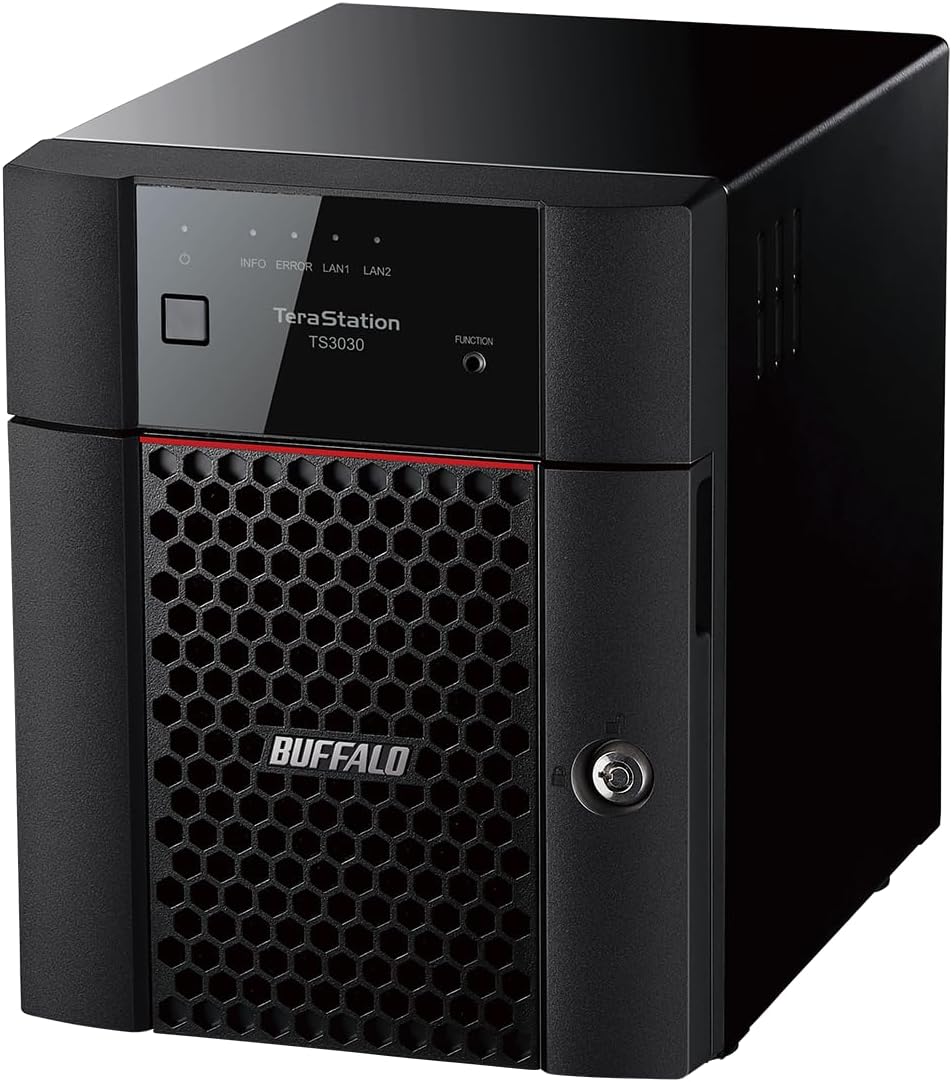
BUFFALO TeraStation Essentials 2025
4.3Editor score
2.5GbE fast transfers
24TB storage capacity
Hybrid cloud integration
Compare the top 10 Buffalo NAS models for home and business. Explore real ratings, features, and expert insights to choose the right network storage solution.
Finding the right network attached storage device is essential for protecting your digital assets. Buffalo offers a wide range of options suitable for various needs and budgets.
We evaluated ten distinct models based on capacity, connectivity, ease of use, and overall reliability. This list covers everything from entry-level home clouds to enterprise-grade solutions.
Each pick highlights key strengths and potential trade-offs to help you make an informed decision. Keep in mind that availability and configurations may change over time.
4.3Editor score

4.8Editor score

3.9Editor score
This side-by-side comparison highlights the key specifications and capabilities of each model to help you quickly identify the best fit for your specific storage requirements.


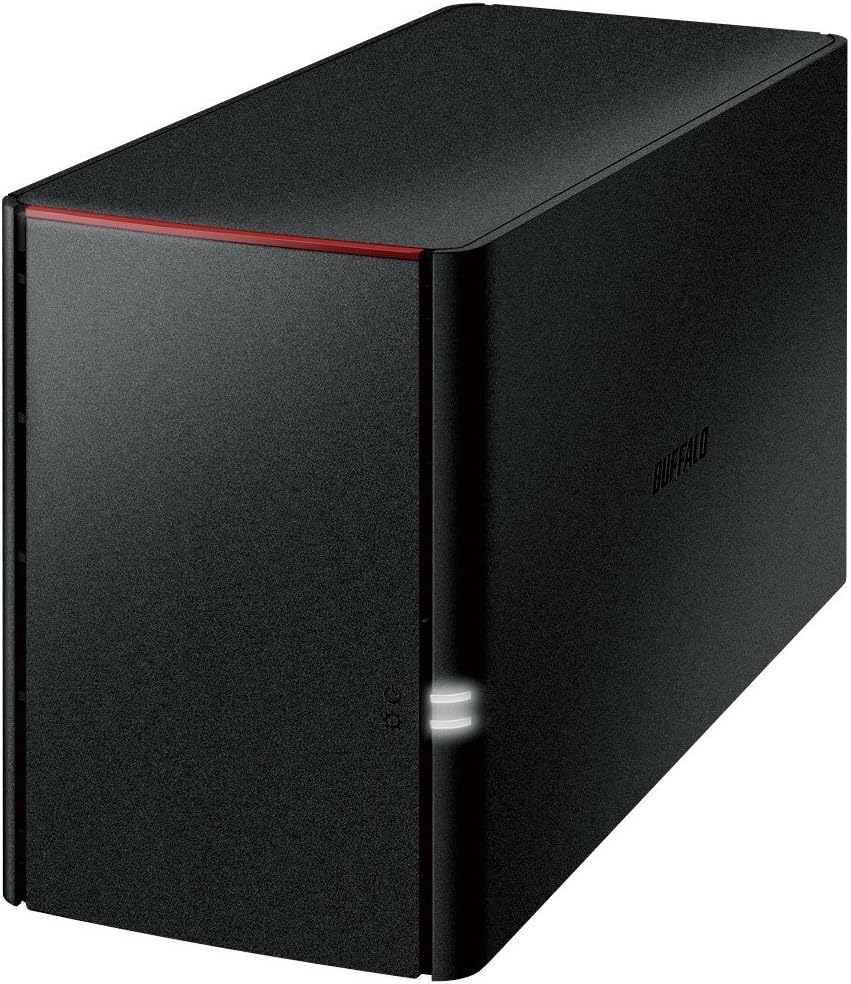


The TeraStation 5420DN stands out as the premier choice for businesses requiring robust and scalable storage solutions. With an impressive 4.8 rating from users, it delivers exceptional reliability and performance.
We may earn a commission when you buy through this link, at no additional cost to you.
Its native 10GbE port enables lightning-fast file transfers, making it ideal for video editing or large database backups. The 32TB capacity ensures you have plenty of room for growth without needing immediate upgrades.
While the price is higher than consumer models, the included iSCSI support and snapshot features justify the investment for mission-critical environments. Data recovery services add another layer of peace of mind for enterprise users.
Buyers seeking a high-performance, future-proof NAS for small to medium businesses will find this model unmatched in its class. It balances speed, capacity, and security better than any competitor in the lineup.
The built-in 10GbE port removes network bottlenecks, allowing multiple users to access files simultaneously without lag.
Advanced encryption and snapshot capabilities protect against ransomware and accidental data loss effectively.
We may earn a commission when you buy through this link, at no additional cost to you.
The TeraStation Essentials 2025 bridges the gap between consumer and enterprise storage with its balanced feature set. Rated 4.3 stars, it appeals to users who need speed without the cost of top-tier business models.
We may earn a commission when you buy through this link, at no additional cost to you.
Featuring a native 2.5GbE port, it offers significantly faster data movement than standard Gigabit networks. The 24TB capacity is substantial for home labs or creative professionals handling large media files.
Users appreciate the cloud integration options that allow syncing with services like Azure and OneDrive for redundancy. While it lacks the 10GbE of the higher model, the 2.5GbE remains a strong value proposition.
This device is recommended for power users who want professional-grade reliability and moderate scaling options. It provides a seamless experience for those needing secure, accessible storage at home or in small offices.
Syncing critical data to hybrid cloud services ensures protection even if local hardware fails unexpectedly.
Pre-configured RAID and included drives mean you can start backing up files immediately after unboxing.
We may earn a commission when you buy through this link, at no additional cost to you.
For those just entering the NAS world, the LinkStation 210 provides a straightforward and cost-effective solution. Its 3.9 rating reflects its solid functionality for basic home storage needs without overwhelming complexity.
We may earn a commission when you buy through this link, at no additional cost to you.
This single-bay device comes with 6TB of storage pre-installed, eliminating the need to buy separate drives. It acts as a central hub for media files, documents, and backups accessible from any connected device.
The personal cloud feature allows remote access without monthly fees, making it a great alternative to subscription services. While it lacks the expandability of multi-bay systems, it is perfect for families with modest storage demands.
We recommend this for households that need reliable backup and sharing capabilities without a high upfront cost. It serves as an efficient starting point for organizing digital life at home securely.
Store and access personal files remotely without paying recurring cloud storage subscription charges.
Connect to your router and use the included software to get started in minutes.
We may earn a commission when you buy through this link, at no additional cost to you.
The LinkStation SoHo 220 is tailored specifically for small office environments needing quick and secure file access. With a 4.1 rating, it is known for its ease of use and straightforward management tools for employees.
We may earn a commission when you buy through this link, at no additional cost to you.
Featuring a USB port for direct copying, it allows quick backups from cameras or external drives without involving a computer. The 4TB capacity is sufficient for document storage and moderate media files in a small team.
Individual access restrictions ensure sensitive client data remains private while still allowing team collaboration on shared projects. While not designed for heavy enterprise loads, it offers a stable platform for daily office operations.
Small business owners looking for a dedicated network storage device that protects data and simplifies sharing will appreciate this unit. It balances functionality and simplicity effectively for professional yet compact workspaces.
Transfer photos and documents directly from external USB drives without needing a connected computer.
Set specific folder permissions to ensure data privacy across different users and roles.
We may earn a commission when you buy through this link, at no additional cost to you.
Designed for server closets, this rackmount NAS fits neatly into standard racks to save desk space. It holds a 4.4 rating for its efficiency in delivering high-density storage solutions for data centers.
We may earn a commission when you buy through this link, at no additional cost to you.
Its 2.5GbE port supports faster data movement compared to standard Gigabit speeds, which helps during large batch backups or data migrations. The 8TB capacity is manageable for critical data that requires quick access.
The cloud integration features allow for offsite backup strategies that ensure business continuity even during physical disasters. While it requires a rack setup, its streamlined design keeps wiring organized and airflow optimal.
Organizations with limited office space but high storage needs should consider this unit for its compact and efficient layout. It delivers reliable performance for IT administrators managing centralized data storage effectively.
Mount directly into standard server racks to minimize clutter and maximize data center organization.
Automate backups to both local storage and cloud services for redundant and safe data protection.
We may earn a commission when you buy through this link, at no additional cost to you.
This specialized unit runs Windows Server IoT 2025 natively, simplifying management for IT professionals using Microsoft ecosystems. While no public ratings exist yet, its unique configuration promises seamless integration for existing Windows environments.
We may earn a commission when you buy through this link, at no additional cost to you.
The lack of Client Access License requirements reduces ongoing costs for small businesses. With 4TB of storage and NovaBACKUP included, it offers a complete package for local and remote data management.
It integrates well with Azure and OneDrive services, allowing users to leverage existing Microsoft subscriptions for additional security. This model bridges the gap between simple NAS devices and full server operating systems.
Organizations relying heavily on Windows infrastructure will find this model minimizes setup time and licensing hassles. It is a smart choice for those needing enterprise features without the complexity of traditional server management.
Avoid extra Client Access License costs by using the built-in Server OS designed for small workgroups.
NovaBACKUP software comes bundled to handle professional server and PC backup tasks out of the box.
We may earn a commission when you buy through this link, at no additional cost to you.
Although an older model, the LinkStation 220 maintains a solid 4.0 rating due to its consistent performance and reliability. It remains a viable option for users who do not need cutting-edge features but want dependable storage.
We may earn a commission when you buy through this link, at no additional cost to you.
Its DLNA support makes it excellent for streaming music and videos to compatible devices on the network without extra software. The Marvell ARMADA processor ensures steady operation for standard file storage and sharing tasks.
Users often choose this for its straightforward setup and maintenance. While it lacks some modern cloud sync capabilities, its local network performance remains consistent and robust for home media centers.
We recommend this for home users seeking a simple, budget-friendly device for media streaming and basic backups. It offers a no-frills experience that delivers stability and consistent access to digital files.
Stream photos, music, and videos directly to media players and smart TVs on your home network.
Tested over time for reliability, this model offers peace of mind for long-term continuous operation.
We may earn a commission when you buy through this link, at no additional cost to you.
The TeraStation 1200D is designed to offer business-level features in a compact desktop format. With a 4.0 rating, it is appreciated for including essential backup tools and data recovery software right out of the box.
We may earn a commission when you buy through this link, at no additional cost to you.
It ships with two pre-tested drives configured for redundancy, ensuring that a single drive failure does not result in data loss. The built-in personal cloud feature makes it easy to access files remotely from any device.
While the capacity is modest by modern standards, the inclusion of NovaBACKUP and recovery tools provides a complete safety net for small business data. It simplifies the backup process for non-technical users needing professional protection.
Small businesses needing a ready-to-use solution that protects critical data without complex setup should consider this model. It balances essential enterprise features with the simplicity required for small office environments.
NovaBACKUP and recovery tools are pre-installed to ensure your business data is safe without extra purchases.
Two pre-configured drives provide redundancy so your files remain safe even if one drive fails.
We may earn a commission when you buy through this link, at no additional cost to you.
This series focuses on seamless mobile integration, making it a top choice for users who rely heavily on smartphones and tablets. With a 3.9 rating, users value its ease of access and straightforward file management on the go.
We may earn a commission when you buy through this link, at no additional cost to you.
The automatic mirroring function keeps your important files protected by duplicating them across drives for redundancy. Its companion app allows you to view photos and documents directly from your mobile device without needing a computer.
While the hardware specifications are basic, the software experience is polished to ensure smooth interaction for personal users. It serves as a convenient digital photo album and document hub for individuals who prioritize accessibility.
Mobile users seeking a straightforward way to store and retrieve files wirelessly will find this model highly convenient. It simplifies the process of backing up and accessing media across multiple devices in a family.
Access and manage files directly from your smartphone or tablet using the dedicated Buffalo mobile app.
Built-in mirroring automatically keeps your data duplicated on internal drives to prevent accidental loss.
We may earn a commission when you buy through this link, at no additional cost to you.
The DriveStation Duo acts as a powerful direct-attached storage solution rather than a network device, ideal for personal backup needs. It holds a 3.8 rating for its speed and reliability when connected directly to a computer.
We may earn a commission when you buy through this link, at no additional cost to you.
With USB 3.2 Gen 1 connectivity, it delivers rapid transfer rates suitable for large file backups. The dual-bay design with RAID support allows for drive mirroring, protecting your data against a single disk failure.
Mac users appreciate the native Time Machine support, which automates backups seamlessly. The hot-swap feature ensures you can replace failed drives quickly without powering down the entire system.
Individuals needing fast local storage with minimal network setup will find this unit practical and efficient. It is a reliable choice for backing up workstations or personal media libraries securely.
Mac users can set up automated backups instantly without needing extra software or configuration.
Replace a failed drive quickly without powering off the unit to minimize downtime and hassle.
We may earn a commission when you buy through this link, at no additional cost to you.
Choosing the right network storage device requires understanding your specific needs regarding capacity, speed, and features. This guide breaks down the key factors to consider before making a purchase.
The amount of storage you need depends on your current data volume and future growth plans. Models range from 4TB to over 30TB, with multi-bay units allowing you to add more drives later for greater flexibility. Always consider the usable capacity after RAID configuration to ensure it meets your actual needs without unexpected limitations.
Choose a device with enough space for your media and backups while keeping room for expansion as your data grows.
Network speed impacts how quickly you can transfer files to and from the NAS. Standard Gigabit Ethernet is sufficient for basic file sharing, but creative professionals may benefit from 2.5GbE or 10GbE ports for faster data rates. Ensure your router supports these speeds if you plan to utilize high-speed transfer capabilities effectively.
Select a model with connectivity that matches your current network infrastructure to avoid bottlenecks and slow performance.
Most NAS devices work seamlessly with Windows and macOS, but some models offer specialized features for specific ecosystems. For example, certain TeraStation models integrate deeply with Windows Server environments or cloud services like Azure. Check the supported operating systems to ensure the device works well with your existing devices and software.
Verify that the NAS supports your computer's operating system to ensure smooth installation and continuous operation.
Protecting your data from hardware failure is a primary reason to invest in a NAS. RAID configurations allow multiple drives to work together to provide redundancy, meaning data survives if one drive fails. Look for models that support RAID 1 or RAID 5 to balance capacity and safety according to your risk tolerance.
Opt for a device with RAID capabilities to protect your important files from accidental data loss due to drive failure.
Many Buffalo units come bundled with utilities like NovaBACKUP or NAS Navigator to simplify the backup process. These tools help automate backups across multiple computers, saving time and ensuring you never forget to secure your data. Evaluate the included software to see if it meets your specific backup scheduling and management needs.
Check if the NAS includes useful management and backup software to streamline your workflow and ensure consistent data safety.
Modern NAS devices often support syncing with cloud services like Dropbox, OneDrive, or Amazon S3 for hybrid storage strategies. This feature adds an extra layer of security by keeping copies of your files offsite in case of physical damage. Consider your cloud usage habits to decide if this feature adds value to your setup.
Look for cloud integration options if you want to keep an offsite copy of your data for additional security and flexibility.
A strong warranty indicates confidence in the product's durability and longevity. Buffalo offers varying warranty periods, often including coverage for the hard drives inside the unit. Access to 24/7 US-based support can be crucial for troubleshooting technical issues without downtime or expensive third-party repairs.
Prioritize models with comprehensive warranties and accessible support to ensure help is available if problems arise.
Since a NAS runs continuously, its power consumption adds up over time. Devices designed for offices or home use often include energy-saving features that reduce electricity costs. Checking power specifications can help you select a model that aligns with your environmental and budget goals.
Choose an energy-efficient model to save on electricity costs while maintaining high performance for your daily needs.
Setting up your NAS is straightforward with the included setup wizard. Connect the device to your router using the provided Ethernet cable and follow the on-screen instructions to assign a network address. Once initialized, you can install the management software on your computers to access the shared storage and configure users.
Regular maintenance ensures your storage remains reliable over the years. Check the health status of your drives through the web interface and replace any that show signs of wear before they fail completely. Keeping the device in a cool, well-ventilated area helps prevent overheating and prolongs the lifespan of internal components.
To maximize data safety, establish a consistent backup schedule using the built-in tools. Automate backups for your important files to protect against accidental deletion or corruption. Periodically test your recovery process to ensure you can restore data quickly if a disaster occurs.
A Network Attached Storage device connects to your router and allows multiple users to access data over a network, whereas an external hard drive connects directly to a single computer via USB. This makes a NAS ideal for sharing files across different devices and rooms in a home or office without cables.
Yes, many Buffalo TeraStation and LinkStation models allow you to swap out internal hard drives as your storage needs grow. Some higher-end models even support hot swapping, which means you can replace a drive without powering down the system to keep it running.
Most Buffalo NAS devices offer a subscription-free personal cloud feature that allows remote access to your files without recurring costs. You own the hardware and the data, so there are no monthly fees for storage space beyond your initial purchase price.
While not strictly necessary, RAID provides a safety net by duplicating data across drives. If one drive fails, you do not lose your files. For important family photos or critical documents, RAID offers peace of mind that standard external drives cannot match.
Most Buffalo NAS units are compatible with Apple Time Machine. You simply select the NAS as your backup disk in System Preferences, and it will automatically back up your Mac on a schedule. This creates incremental backups to keep all your file versions safe.
Yes, using the personal cloud features or mobile apps provided by Buffalo, you can access your files from anywhere with an internet connection. This is useful for retrieving documents while traveling or checking in on your media library from a remote location.
In a RAID 1 or RAID 5 configuration, the system continues to operate using the remaining healthy drives. You can replace the failed drive, and the NAS will rebuild the data from the surviving drives without interrupting your work significantly.
We have reviewed ten distinct models that cater to a wide range of users, from home hobbyists to small business professionals. Each device offers a unique combination of capacity, speed, and security features designed to meet different requirements effectively.
When selecting a model, prioritize the factors that matter most to you, such as total storage space or fast network speeds. Consider your future growth needs to ensure the device you choose remains useful for years to come without requiring an immediate upgrade.
Keep in mind that prices and availability may vary as models are updated or discontinued. Always check the current specifications and stock status before purchasing to ensure you get the best value and latest features available today.