
Canon EF 100-400mm L Series
4.0Editor score
Professional L-series build
Fluorite optics
Versatile 100-400mm range
Compare the top 10 camera lenses for long distance wildlife photography. Read expert reviews on reach, autofocus speed, and image stabilization to find your perfect match.
Choosing the right camera lens for long distance wildlife photography requires balancing reach, sharpness, and handling. Whether you are tracking birds or large mammals, the glass you select defines your ability to capture decisive moments without disturbing natural behavior.
We analyzed real-world performance data, user ratings, and optical specifications across ten leading telephoto options. Our comparisons focus on focal range versatility, autofocus reliability, and stabilization effectiveness in varying lighting conditions typical of outdoor habitats.
Each pick below highlights specific strengths such as budget friendliness or premium build quality. Please note that availability and pricing fluctuate frequently, so verify current details before purchasing to ensure you get the best value for your investment.
4.0Editor score
4.7Editor score

4.6Editor score
This side-by-side comparison table highlights key specifications for each lens including focal range, mount type, stabilization features, and overall user satisfaction ratings to help you make an informed decision.



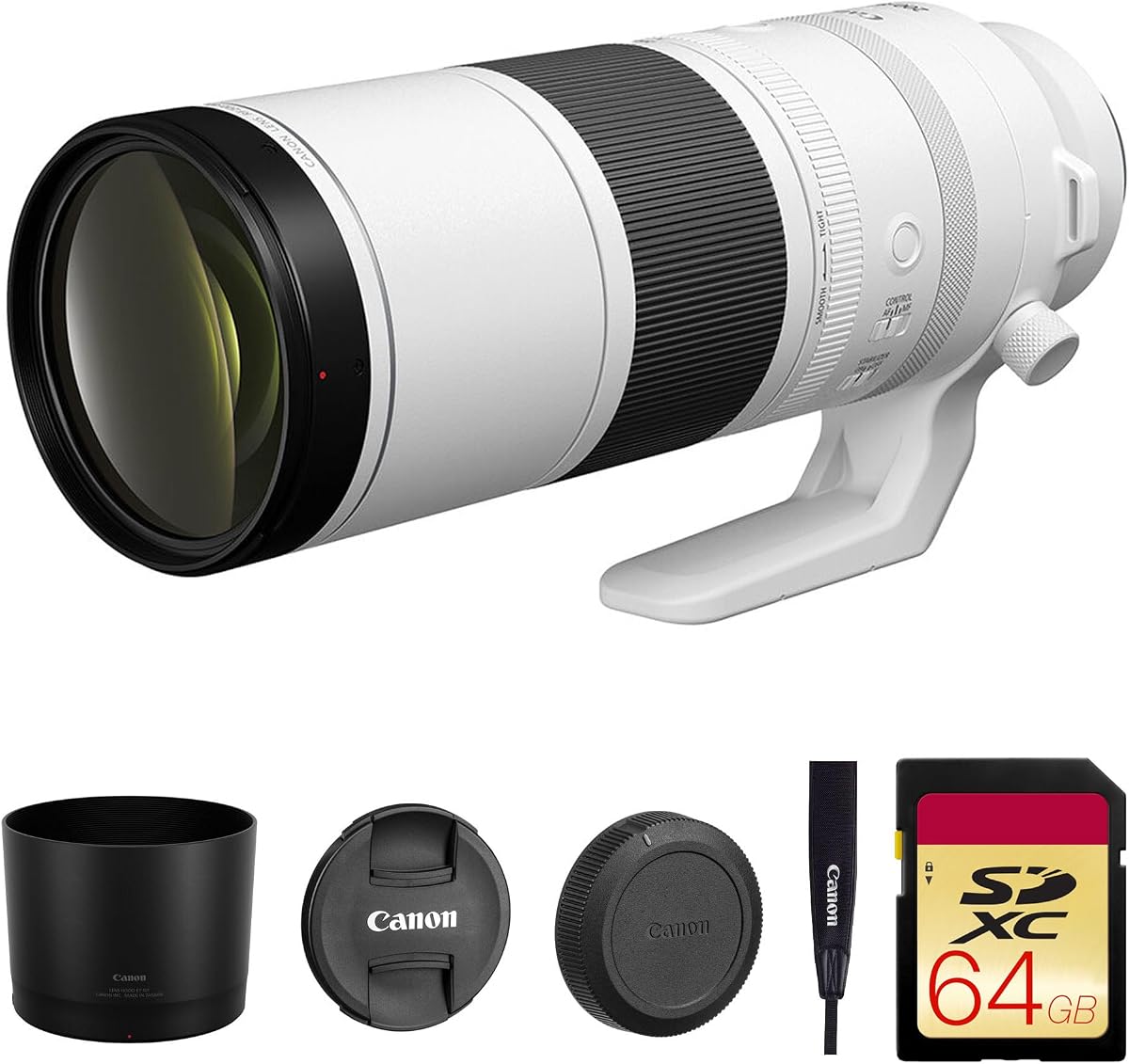
This RF lens leads our list with its incredible zoom range and professional-grade autofocus. Rated highly by users for its ability to capture distant subjects sharply, it represents the pinnacle of modern mirrorless telephoto performance.
We may earn a commission when you buy through this link, at no additional cost to you.
The built-in image stabilization is a game changer for handheld wildlife shots allowing photographers to shoot at shutter speeds where other lenses would introduce blur. The USM system locks onto moving animals quickly and silently which is critical when tracking skittish species.
One trade-off is the aperture range which narrows at 800mm making low light work more challenging. However, modern sensor technology often compensates for this limitation and the sheer reach offered outweighs the slower glass for most outdoor scenarios.
If you own an EOS R camera and want the best long distance wildlife lens available today this is the definitive choice. It balances reach and handling better than any competitor currently on the market.
From 200mm to 800mm this lens covers nearly every wildlife distance without needing a secondary optic.
Built-in stabilization supports tracking animals in motion without a tripod.
We may earn a commission when you buy through this link, at no additional cost to you.
This version of the RF 200-800mm stands out as a dedicated telephoto tool for mirrorless shooters. It matches the optical prowess of its bundle sibling but offers a pure lens-focused experience for users who already have accessories.
We may earn a commission when you buy through this link, at no additional cost to you.
The ability to extend reach further using RF extenders at all focal lengths provides flexibility that few lenses can match. Its optical design maximizes image quality throughout the zoom range ensuring sharp corners and minimal distortion.
While it lacks the bundle extras the lens itself is engineered for maximum portability and performance. The compact form factor allows for extended use in the field without causing excessive fatigue during hikes.
For Canon R users prioritizing focal versatility this lens is a top contender. It delivers professional results in a package that is manageable for active wildlife photography.
Works seamlessly with RF 1.4x and 2x extenders to push reach beyond 800mm.
Takes advantage of RF mount to maintain sharpness across the entire zoom range.
We may earn a commission when you buy through this link, at no additional cost to you.
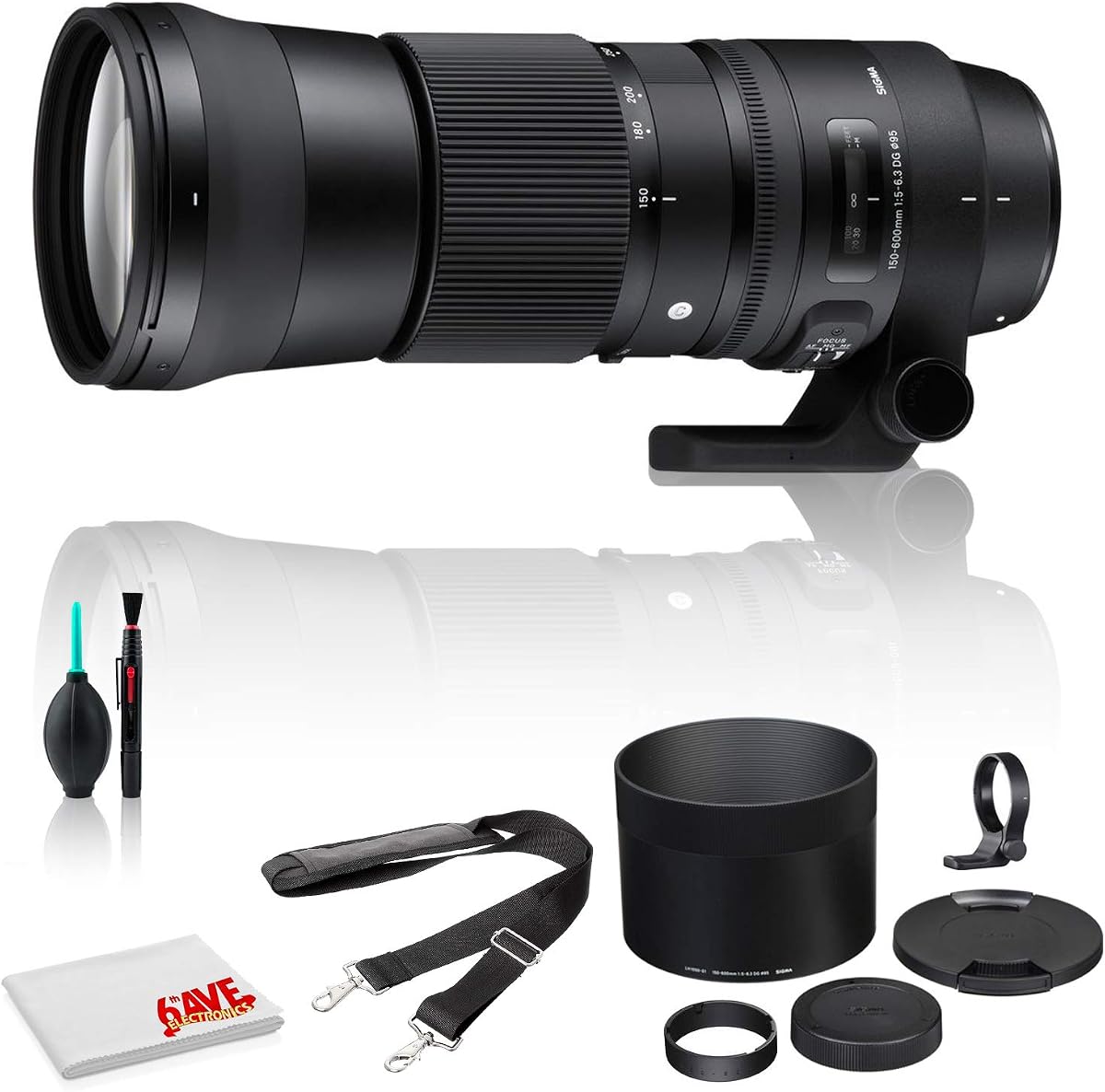
Sigma's Contemporary lens brings professional-grade optics to DSLR shooters at a competitive price point. It is highly rated for its ability to produce sharp images across its zoom range while maintaining a balance between size and performance.
We may earn a commission when you buy through this link, at no additional cost to you.
The Optical Stabilizer with accelerometer technology ensures steady shots even when handheld. The Hyper Sonic Motor delivers quick and quiet autofocus which is essential for capturing wildlife behavior without disruption.
One consideration is the weight and size which are larger than modern RF counterparts. This is a trade-off for the reach and optical quality it provides to DSLR users who have committed to that system.
If you use a Canon EF mount DSLR and want high-quality long distance images this lens is a solid investment. It offers excellent value compared to OEM alternatives with similar reach.
OS with accelerometer minimizes shake for clearer handheld shots.
Comes with a deluxe cleaning kit to maintain your gear.
We may earn a commission when you buy through this link, at no additional cost to you.
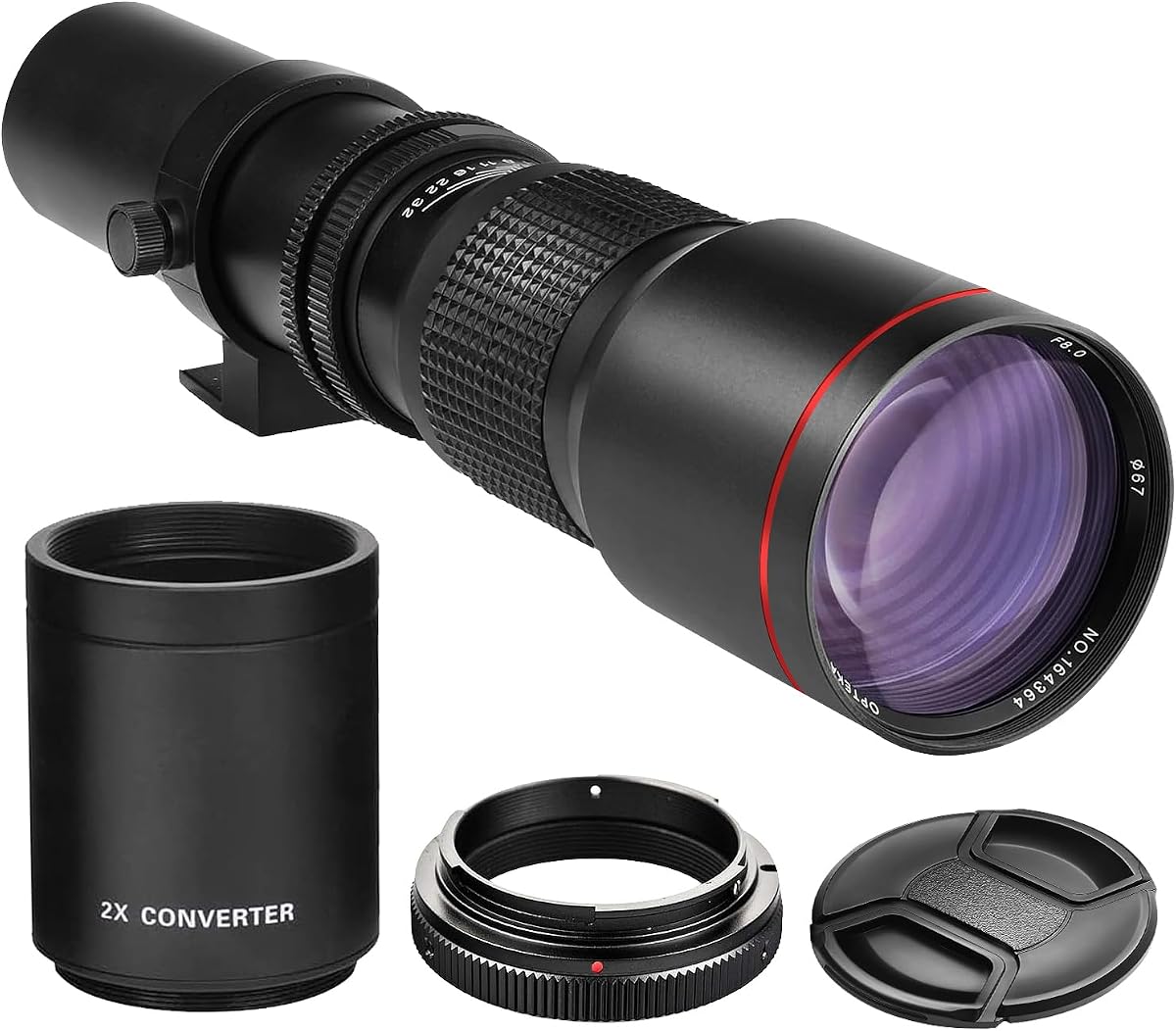
This manual lens offers an accessible entry point for photographers seeking extreme reach without a high cost. With a 1000mm potential via the included teleconverter it can frame distant subjects that are out of range for most standard lenses.
We may earn a commission when you buy through this link, at no additional cost to you.
The manual focus design allows for precise control but requires patience and a steady hand. It is best used with a tripod or monopod to maximize sharpness and avoid camera shake at such long focal lengths.
While autofocus is absent the optical quality is surprisingly clear for the price due to multi-coated glass elements. This makes it a viable option for enthusiasts who enjoy the process of manual photography.
For beginners or budget-conscious photographers this lens provides a taste of extreme telephoto work. It is a reliable tool for those willing to trade speed for reach and affordability.
Switch between 500mm and 1000mm easily with included converter.
Built to withstand outdoor use with a robust finish.
We may earn a commission when you buy through this link, at no additional cost to you.
The 100-400mm L series is a legendary choice for professionals who prioritize optical performance above all else. It features fluorite and UD elements that deliver exceptional sharpness and contrast even in challenging conditions.
We may earn a commission when you buy through this link, at no additional cost to you.
The optical image stabilization provides up to two stops of correction helping maintain clarity during long handheld sessions. The ring-type USM ensures quick and precise focus which is critical for moving wildlife subjects.
While heavy compared to newer RF lenses its build quality is unmatched and it includes a rotating tripod collar for balanced support. It is a workhorse lens designed for durability and consistent results.
If you own an EF mount DSLR and need top-tier image quality this lens is the gold standard. It remains a top choice for professionals who demand reliability and resolution.
Fluorite and UD elements minimize aberrations for crystal clear images.
L-series build ensures durability and longevity in the field.
We may earn a commission when you buy through this link, at no additional cost to you.
This zoom lens pushes the boundaries of reach offering up to 1600mm with the included teleconverter. It is designed for photographers who need to bring distant subjects incredibly close without spending a fortune.
We may earn a commission when you buy through this link, at no additional cost to you.
The manual focus system gives you full control but demands steady technique especially at maximum extension. It works well on a tripod where precise adjustments can be made to frame wildlife perfectly.
Despite its price the HD multi-coated glass provides clear results that are impressive for the category. It is a fantastic tool for beginners or those exploring extreme telephoto needs.
For those seeking the longest focal length possible on a budget this lens is unmatched. It opens up new possibilities for capturing distant birds and wildlife with surprising detail.
Extends from 420mm to a staggering 1600mm with converter.
Designed to fit a wide variety of Canon DSLR models.
We may earn a commission when you buy through this link, at no additional cost to you.
This RF lens is designed for portability without compromising on key performance features. It provides a versatile zoom range that is perfect for wildlife in open habitats or sports where tracking is essential.
We may earn a commission when you buy through this link, at no additional cost to you.
The optical image stabilization offers up to 5.5 stops of correction which is outstanding for a lens in this class. This allows for sharper handheld shots and better performance in lower light conditions.
The Nano USM motor ensures smooth and quiet autofocus making it ideal for video as well as stills. Its compact size means you can carry it all day without fatigue.
For photographers seeking an affordable RF lens with excellent handling this is a top pick. It offers the best balance of price and performance for entry-level wildlife shooters.
Up to 5.5 stops of shake correction for steady handheld shots.
High-image quality in a small package perfect for travel.
We may earn a commission when you buy through this link, at no additional cost to you.
This classic lens is often recommended for beginners due to its low price and ease of use. While it lacks modern stabilization it still provides a useful telephoto range for subjects that are not excessively distant.
We may earn a commission when you buy through this link, at no additional cost to you.
The smooth zoom mechanism and lightweight design make it easy to handle for extended periods. It is a solid option for casual photographers or those just learning how to use longer focal lengths.
Without image stabilization shooting at slow shutter speeds can be challenging and sharpness may vary. However, for the price point it remains a highly rated accessory for entry-level kits.
If you need an affordable way to start taking photos of wildlife nearby this lens is a reliable choice. It serves as a great starting point for exploring photography without a heavy investment.
One of the most affordable options for getting into wildlife photography.
Weighs only 16.8 ounces making it easy to carry.
We may earn a commission when you buy through this link, at no additional cost to you.
For Nikon shooters this lens offers an exceptional balance of reach and value. Its 200-500mm range is well-suited for many wildlife scenarios where you need to zoom in on distant animals.
We may earn a commission when you buy through this link, at no additional cost to you.
The Silent Wave Motor provides quick and accurate autofocus with full-time manual override. Vibration Reduction minimizes camera shake delivering up to 4.5 stops of stabilization for sharper results.
The rotating tripod collar ensures balanced support for long periods on a tripod or monopod. It is a robust lens built for serious outdoor photography needs.
If you are invested in the Nikon ecosystem this lens is a top contender for wildlife work. It delivers reliable performance and high-quality images at a reasonable price.
Fast and silent autofocus ideal for capturing wildlife behavior.
Includes filter kit and cleaning accessories for convenience.
We may earn a commission when you buy through this link, at no additional cost to you.
This renewed version offers the same optical capabilities as the new model at a significantly reduced cost. It is a great way to get a telephoto lens for less if you are comfortable with refurbished products.
We may earn a commission when you buy through this link, at no additional cost to you.
The DC motor provides reliable focus performance for still subjects and the lens remains lightweight for everyday use. It is a practical choice for those on a tight budget who still need a bit of reach.
While you may miss some of the refinements of newer models it still captures decent images for the price. Just ensure you test it thoroughly to confirm its condition upon arrival.
For budget photographers seeking a reliable lens this renewed option is a smart buy. It allows you to expand your kit without breaking the bank.
Save money with a tested and inspected refurbished lens.
Provides quick and quiet focusing performance.
We may earn a commission when you buy through this link, at no additional cost to you.
Selecting the right lens depends on your camera system, budget, and specific wildlife goals. Here are the key factors to consider before making your purchase.
For true long distance wildlife, you generally need at least 400mm of effective reach to fill the frame with animals safely. While 200mm to 400mm is good for closer subjects, 600mm and above is ideal for shy species like birds or deer in open fields.
Consider your camera crop factor which adds extra reach to lenses but reduce effective aperture when choosing between full frame and APS-C systems.
Ensure the lens matches your camera's mount type such as RF for mirrorless or EF for DSLR. Mismatched mounts may require adapters which can reduce performance or eliminate electronic features like stabilization.
Choosing a native mount ensures full compatibility with autofocus systems and weather sealing which is critical for outdoor wildlife work.
Optical or In-Body stabilization helps you shoot handheld at slower shutter speeds without blur. This is especially important when you cannot use a tripod or when waiting for wildlife to appear suddenly.
Look for lenses with at least 4 stops of stabilization to ensure sharp results in lower light or when using long focal lengths.
Fast and silent autofocus is essential for capturing moving animals without scaring them. Systems like USM or SWM provide quick lock on and smooth tracking which improves success rates significantly.
Ensure the motor type supports continuous focus modes to keep moving subjects sharp during action sequences.
A wider aperture allows more light into the camera sensor which improves performance in dawn and dusk conditions. While most long lenses are f/5.6 or f/8, this can limit your ability to shoot in shade or indoors.
Consider if you need to trade off reach for aperture speed based on your typical lighting conditions.
Long lenses can be heavy leading to fatigue during long field sessions. Evaluate the physical weight and balance especially if you plan to hike or carry gear for extended periods.
Lighter lenses often enable better composition and mobility which can lead to more successful shots.
Weather sealing and robust construction protect your investment from dust, rain, and rough handling. For wildlife photography, these features are often worth the extra cost to ensure reliability in the field.
Look for lenses with dust and moisture resistance especially if you plan to shoot in diverse environments.
Consider if bundles include memory cards, filters, or cleaning kits that add value to your purchase. A slightly higher price may be justified by essential accessories that save money later.
Balance the cost of the lens with the accessories you will need to get the best results from your gear.
Always use a sturdy tripod or monopod when shooting at long focal lengths to minimize camera shake. Ensure the lens collar is locked properly to prevent torque on the mount during panning.
Keep your lens clean with a microfiber cloth and blower to remove dust and debris. Avoid touching the glass with bare fingers to prevent smudges that affect image quality.
Store your lens in a dry case with silica gel packets to prevent internal condensation. Check for fungus or moisture regularly especially after shooting in humid environments.
Ideally 400mm or more for serious long distance photography. Lenses with 200mm can work for birds or mammals in close proximity but may require cropping in post.
While not always mandatory tripods are highly recommended for sharp images at long focal lengths. If you shoot handheld ensure your lens has strong image stabilization.
Yes with the appropriate adapter but native lenses often perform better. Check if the adapter supports autofocus and stabilization features before buying.
Use a blower to remove dust first then wipe with a microfiber cloth. Avoid harsh chemicals or tissues that could scratch the coating.
Yes especially for handheld shooting. It improves sharpness and allows you to shoot in lower light without a tripod.
Both offer excellent options. Choose based on your existing camera system since compatibility is crucial for performance.
The Canon RF 200-800mm Bundle leads our list for its incredible reach and professional performance. It is the top choice for shooters seeking the best possible results in a mirrorless system.
For budget-conscious users the RF100-400mm or manual options offer great value and accessibility. Prioritize stabilization and focal length that match your specific photography needs.
Remember to verify current pricing and availability before purchasing as these factors can change. Investing in the right lens will elevate your wildlife photography and help you capture unforgettable moments.