
SureCall Five-Band RF Signal Meter
4.3Editor score
Five major cellular bands covered
Rechargeable NiMH battery design
Controllable backlight for dark sites
Achieving optimal signal strength for your cellular setup requires precision tools. A high-quality cellular signal meter for antenna aiming ensures you align antennas correctly for maximum performance. This guide helps you identify reliable devices designed for accurate field measurements.
Our team analyzed ten top-rated products available this month to build this comprehensive list. We focused on tools specifically capable of measuring cellular frequencies while considering usability and professional-grade accuracy. Each entry provides essential details to aid your selection process.
Every product reviewed includes detailed specifications, verified user feedback, and key features. You will see what makes each model suitable for different scenarios including installations or routine diagnostics. Please note that availability and specific model variants can change over time.
4.3Editor score

4.6Editor score

5.0Editor score
As an Amazon Associate we earn from qualifying purchases.
This table presents a side-by-side comparison of the leading cellular signal meters. You can quickly assess each device's core capabilities and target applications to find the right fit.


The SureCall Five-Band RF Signal Meter is engineered specifically for cell phone signal booster installation and alignment. It holds a solid rating of 4.3 stars from users who value straightforward functionality over complex interfaces. This device is essential for anyone installing boosters who needs to confirm signal integrity across different frequencies.
We may earn a commission when you buy through this link, at no additional cost to you.
It supports five critical cellular bands including PCS Cellular AWS and LTE. This broad coverage allows technicians to test signals without needing multiple meters. The high receiving sensitivity of -110dBm ensures it can pick up weaker signals often found in remote or challenging locations. Additionally the controllable backlight helps operators see readings clearly at night or in dimly lit utility rooms.
One trade-off is the battery type which uses four AAA NiMH batteries. While rechargeable this requires keeping spares on hand for long deployments. However the working time of 2.5 to 3.5 hours usually covers a full installation cycle. The design is compact enough to carry easily without adding significant weight to a tool bag.
This meter is ideal for installers looking for a reliable cost effective tool that focuses on core cellular tasks. If your goal is to align antennas for boosters or check basic signal strength in the US the SureCall delivers consistent results without unnecessary complexity.
Ensures support for major US network frequencies used by most carriers today.
Helps installers verify signal quality before finalizing booster setups.
We may earn a commission when you buy through this link, at no additional cost to you.
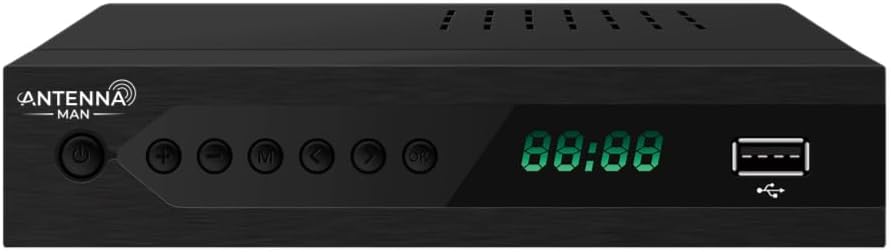
The Antenna Man Signal Meter is marketed more towards general antenna users than professional cellular technicians. It has a rating of 3.8 stars and focuses on TV tuner performance. For users seeking a basic tool to check over-the-air signals this might suffice but it has limitations compared to dedicated RF meters.
We may earn a commission when you buy through this link, at no additional cost to you.
Its main strength lies in providing real-time signal strength feedback for digital TV conversion. The plug-and-play design means users can get started immediately without complex configurations. It supports ATSC digital converter boxes which makes it suitable for homes upgrading old analog systems or needing to locate strong broadcast signals.
However the limitations for cellular antenna aiming are evident. It does not cover standard cellular bands and is designed primarily for terrestrial TV frequencies. Those looking for professional cellular alignment might find the readout less accurate for RF purposes. Still it serves a niche market needing simple channel optimization.
This product fits casual homeowners who need to boost TV reception rather than cellular connectivity. If your primary task involves standard broadcast alignment this could be a helpful addition to your setup. For serious cellular work consider devices designed specifically for mobile frequencies.
Designed to optimize over-the-air TV signals using ATSC standards.
Requires minimal setup making it accessible for non-technical users.
We may earn a commission when you buy through this link, at no additional cost to you.
The Berkeley Varitronics Octopus stands out as the Editor's Choice due to its precise and dedicated cellular measurement capabilities. With a 4.6 star rating it appeals to professionals who need detailed metrics like RSRP RSRQ and RSSI. It is designed for complex deployments such as EV charging sites or large scale booster installations.
We may earn a commission when you buy through this link, at no additional cost to you.
Unlike many other tools it does not require a SIM card phone or app to function. This allows for consistent readings without interference from device-specific network logic. It supports all major US carriers and regional variants ensuring versatility in any location. The design ensures that what you measure is the raw signal quality not the handset interpretation.
The primary trade-off is the cost which is significantly higher than basic handhelds. However the reliability and accuracy often justify this expense for business or infrastructure use. Additionally you must understand LTE metrics to fully leverage its capabilities which adds a learning curve for beginners.
This meter is the top pick for technicians needing industrial-grade accuracy for 4G LTE and cellular IoT projects. If you aim to ensure signal quality for EV stations or high-performance boosters this device offers the control needed to optimize performance effectively.
Delivers true network metrics that professionals trust for optimization.
Ensures compatibility across all major carriers without SIM restrictions.
We may earn a commission when you buy through this link, at no additional cost to you.
The RF Explorer Pro Spectrum Analyzer offers an extremely wide frequency range from 15MHz to 6.1GHz. This broad spectrum makes it suitable for analyzing not just cellular signals but also Wi-Fi and other RF sources in the environment. Its N/A rating reflects a lack of user reviews rather than performance issues.
We may earn a commission when you buy through this link, at no additional cost to you.
It features an 8-inch high definition touchscreen that provides clear real-time visualization of signal patterns. The tracking generator allows for advanced testing of components like amplifiers and filters. This combination of tools makes it an all-in-one platform for engineers needing deep insight into RF behavior.
The main drawback is that it requires significant technical knowledge to operate effectively. The complex interface and advanced modes might overwhelm casual users. However for those who need to troubleshoot interference or analyze spectrum usage in detail this device provides necessary tools.
Ideal for RF professionals this analyzer covers cellular bands extensively alongside other frequencies. If you need to identify interference issues or calibrate components beyond simple antenna aiming this is a robust solution capable of handling complex field diagnostics.
Provides deep insight into frequency usage and interference across bands.
Tracking generator enables detailed component verification in the field.
We may earn a commission when you buy through this link, at no additional cost to you.
The NetAlly AirCheck G3 Pro Kit holds a perfect 5.0 star rating. While it emphasizes Wi-Fi and Bluetooth testing its tri-band capabilities can assist in complex signal environments where cellular and Wi-Fi overlap. The kit includes an external directional antenna which significantly aids in precise signal aiming.
We may earn a commission when you buy through this link, at no additional cost to you.
It features physical location detection for Wi-Fi access points and supports site surveys with remote collaboration. This allows teams to work together efficiently without traveling to the same site. The kit is truly complete with a carrying bag charger and comprehensive software support.
For general cellular antenna aiming it might be overkill compared to simpler RF meters. The cost is very high and the interface is designed for network engineering tasks. However for large scale deployments where multiple wireless technologies coexist it offers unmatched coordination and data.
This kit is best for high-end professional network teams needing total environmental visibility. If your role involves managing dense urban networks or enterprise installations where cellular precision is key this tool provides the reliability and support expected in premium gear.
Allows remote engineers to assist with-site technicians effectively.
Helps locate wireless sources accurately using tri-band technology.
We may earn a commission when you buy through this link, at no additional cost to you.
The Extech 480836 is designed for high frequency EMF measurement covering up to 3.5GHz. It is ideal for assessing exposure levels at base stations or microwave leakage rather than precise antenna alignment. It holds a 4.3 rating which indicates strong reliability for its specific purpose.
We may earn a commission when you buy through this link, at no additional cost to you.
It features a non-directional isotropic probe which measures signals from all directions. This helps get a general sense of field strength but might miss directional peaks needed for aiming. The ability to store and recall up to 99 sets allows for systematic documentation of readings over time.
Users should note that this device focuses on health and safety assessments more than RF optimization. While it measures cellular frequencies the lack of directional sensitivity makes it less suitable for pinpointing signal peaks. However it is robust for general safety checks around transmission sites.
This meter fits safety officers or installers verifying signal presence broadly. If you need to confirm RF environment safety at sites this tool delivers consistent measurements. For precise directional aiming consider a device with a more focused probe.
Useful for confirming exposure levels around transmission infrastructure.
Stores multiple readings to help track changes over time.
We may earn a commission when you buy through this link, at no additional cost to you.
The MINI1300 Antenna Analyzer features a 4.3 inch touchscreen and covers frequencies from 0.1 to 1300MHz. It is highly rated at 4.4 stars for its versatility in HF VHF and UHF bands. This range includes common cellular frequencies making it useful for testing antennas directly.
We may earn a commission when you buy through this link, at no additional cost to you.
It supports SWR measurement and TDR Mode which helps diagnose impedance issues along a cable. The frequency sweep function lets users see how an antenna performs across a whole band at once. Its compact size makes it ideal for technicians traveling to remote sites with limited space.
The main limitation is that it requires a physical connection to the antenna system. It cannot measure wireless signals from a distance like a field probe. This means it is best used during installation or maintenance when the antenna port is accessible.
This analyzer is perfect for those who need to test antenna systems in place. If your workflow involves checking coaxial cable performance or antenna tuning this tool offers detailed feedback to optimize system efficiency and signal return.
Helps identify cable faults and impedance mismatches efficiently.
Provides immediate visual feedback across the selected frequency band.
We may earn a commission when you buy through this link, at no additional cost to you.
The SA6 6GHz Portable Spectrum Analyzer offers a wide frequency range from 35 to 6200MHz. This coverage supports WiFi LTE GSM and GLONASS among others. While it has no user rating data it offers solid specs for RF testing in a compact handheld form.
We may earn a commission when you buy through this link, at no additional cost to you.
It integrates a signal generator allowing you to test components like filters or amplifiers in situ. The tracking generator supports frequency response measurements which helps characterize RF parts. It also connects via USB Type-C to a PC for real-time logging and analysis.
The device is lightweight and rechargeable which makes it practical for extended field use. However users should be aware that accuracy may vary between batches as noted in its specs. Despite this it remains a versatile option for general RF diagnostics and alignment.
Suitable for engineers or technicians needing a portable option that covers multiple standards. If you require basic spectrum visualization alongside component testing this unit provides the essential tools without the bulk of larger rack-based systems.
Signal generator helps validate RF components on-site.
Lightweight design ensures ease of carrying during long field jobs.
We may earn a commission when you buy through this link, at no additional cost to you.
The For Sa6 6GHz Handheld is a variant covering 35 to 6200MHz for WiFi LTE and GSM. It holds no rating data but lists comprehensive RF analysis capabilities. It includes accessories like extension cables and a stylus which adds value for immediate use.
We may earn a commission when you buy through this link, at no additional cost to you.
It features an integrated tracking generator which allows for filter and amplifier testing. The housing is rugged and compact designed for tight spaces or rough environments. Real-time spectral measurements help you assess RF conditions quickly without long waits.
It is similar to the SA6 model but packaged with specific accessories for field evaluation. The lack of ratings makes it harder to judge long-term reliability compared to other options. However its features align well with basic RF diagnostics needs.
Consider this if you need a cost-effective option with included cables and basic testing tools. It is suitable for maintenance teams working on-site who need to check wireless environments without heavy equipment.
Durable housing protects the device in demanding work environments.
Comes with cables and stylus to start working immediately.
We may earn a commission when you buy through this link, at no additional cost to you.
The Channel Master TV Antenna Signal Strength Meter is designed for over-the-air alignment. It shows both signal level and signal to noise ratio which helps optimize for clean reception. It has a 3.9 rating and focuses specifically on US ATSC frequencies rather than cellular.
We may earn a commission when you buy through this link, at no additional cost to you.
It features a color touch screen and a built-in rechargeable battery. The package includes a protective carrying case and stylus for convenient operation. These accessories make it easy to transport and protect the device while on job sites.
For cellular signal aiming this device is not suitable because it does not cover cellular frequencies. Its purpose is strictly for terrestrial TV antennas. Users looking for general signal optimization might find it useful but not for mobile network tasks.
This tool is best for home theater installers or TV antenna technicians. If your work involves maximizing broadcast reception this device provides the necessary readout to ensure optimal placement and alignment for clear viewing.
Shows signal to noise ratio to ensure clean broadcast reception.
Includes case and stylus for easy transport and handling.
We may earn a commission when you buy through this link, at no additional cost to you.
Choosing the right tool depends on your specific needs and technical expertise. This guide breaks down key factors to consider before making a purchase.
Ensure the meter covers the bands you need such as LTE PCS or AWS. A meter missing critical bands will not show accurate signal strength for your target network. Check the manufacturer specs to confirm compatibility with your carrier.
Look for devices listing specific MHz ranges that match your service provider frequencies.
Professional meters show detailed metrics like RSRP and RSSI which give deeper insight than simple bars. These numbers help you compare locations accurately and optimize placement for maximum throughput. Basic meters might just show generic signal levels without specific values.
Prioritize devices that display standard network metrics for reliable data.
If you work outdoors choose a device that is lightweight and has a sturdy build. Field conditions can be rough so a rugged case or durable housing helps longevity. Large screens are helpful but can reduce portability in tight spaces.
Select a design that balances screen size with ease of carrying during work.
Look for rechargeable batteries that last through a full workday. Disposable batteries add to ongoing costs and may fail unexpectedly in the field. A good battery rating ensures you can work without interruptions.
Verify the battery runtime matches your typical daily usage hours.
The interface should be intuitive so you can read data quickly while moving. Touchscreens are helpful but physical buttons are often more reliable in cold weather or with gloves. Check the learning curve to ensure it fits your technical comfort level.
Test the device ergonomics if possible to confirm it feels right in hand.
Some meters are designed for specific networks while others work across all carriers. Universal meters save you from needing multiple tools if you work with different clients. Ensure the device supports the bands used by major local providers.
Opt for carrier agnostic tools to maximize versatility across different installations.
Consider extras like data logging or PC connectivity if you need to report results. Some models include tracking generators or spectrum analysis which help deeper troubleshooting. These features add value but also increase the overall cost.
Pick devices with necessary features to avoid paying for capabilities you will not use.
Start by ensuring the battery is fully charged before heading to the site. Turn on the device and let it initialize before taking any readings. Check that the screen displays the correct frequency bands for your target network.
Point the antenna or sensor directly at the cell tower or source location for accurate readings. Adjust the physical angle of your setup and watch the signal strength change on the screen. Use the numeric values to fine tune your position for the highest signal.
Keep the device clean and dry when not in use. Store it in a protective case to avoid damage to the screen or ports. Regularly update firmware if the manufacturer provides any updates to ensure optimal performance.
A signal meter measures general strength while a spectrum analyzer shows the entire frequency landscape. Spectrum analyzers help identify interference sources by displaying signals across a wide range. Signal meters are simpler and focus on a specific target signal strength.
Not necessarily. Some professional meters like the Berkeley Varitronics model do not require a SIM card. They measure raw signal strength directly. Others might need a SIM to authenticate with the network for data.
Check your carrier documentation or use a free online tool to find local frequencies. Most US carriers use specific PCS or LTE bands. Ensure your meter covers those exact MHz ranges for accurate readings.
Yes directional antennas help you focus on a specific signal source. They block out noise from other directions allowing you to find the peak. This is essential for precise alignment compared to omnidirectional probes.
No TV signal meters typically operate on different frequencies used for broadcast. They will not detect cellular LTE or 5G signals accurately. Always use a device designed specifically for cellular bands.
With proper care these devices can last several years. Battery health is often the first component to degrade so consider replacements. Proper storage away from extreme temperatures extends their operational life.
We reviewed ten different tools designed to help with signal alignment tasks. The Berkeley Varitronics Octopus offers professional grade metrics for serious technicians. The SureCall Five-Band provides a solid budget option for basic booster installations.
When selecting a tool consider your specific frequency needs and technical comfort. High-end spectrum analyzers offer more power but require more skill to interpret. Simpler meters get the job done for standard cellular checks.
Prices and stock change regularly so always check current availability before buying. Verify the device specs match your local carrier bands for the best results. Investing in the right tool saves time and ensures consistent performance.