Super Easy Cookbook
9.0Editor score5 Ingredients
120 Recipes
Safety Tips
Kitchen Setup
Discover the 10 best cookbooks for beginners in 2026. Compare ratings, prices, and features to find the perfect guide for your kitchen journey.
Starting your culinary journey can feel overwhelming with so many recipes and techniques to learn. A reliable cookbook provides the structure and confidence you need to succeed in the kitchen without stress.
We have researched the top-rated options available today to help you find the perfect match for your skill level. Each book offers unique approaches to teaching fundamental cooking skills and delicious meals.
Whether you want quick weeknight dinners or comprehensive guides on technique, this roundup covers diverse needs. Explore our detailed comparisons to choose the best resource for your home cooking adventures.
We compared these 10 cookbooks for beginners by lining up the listed specifications, key features, prices, customer ratings, and the details each seller makes available. Each review focuses on the differences that can matter before you buy, from fit and compatibility to value and everyday convenience.

Compare key features, scores, and current prices side by side. A shorter feature list means fewer details were available, not necessarily fewer capabilities.






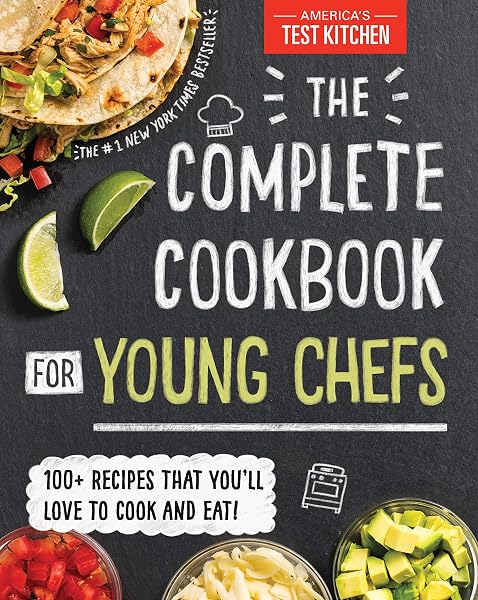
America's Test Kitchen brings their rigorous testing to this volume specifically designed for younger cooks. Over 750 kids helped verify recipes ensuring they work well for this age group.
We may earn a commission when you buy through this link, at no additional cost to you.
The tone is encouraging and fun making cooking feel like an adventure rather than a chore. Simple language avoids confusing jargon that might deter new learners.
Recipes range from snacks to full meals allowing kids to cook for themselves or their family. This independence fosters a lifelong love for food preparation.
Every recipe was tested by children to ensure safety and appeal for young cooks.
Not ideal for adults seeking complex or gourmet recipes beyond basic home cooking needs.
Before choosing this model, weigh this limitation: Targeted at children.
We may earn a commission when you buy through this link, at no additional cost to you.
The constraint of five ingredients per recipe simplifies shopping and preparation significantly for novices. This approach reduces decision fatigue and helps you understand how core ingredients interact.
We may earn a commission when you buy through this link, at no additional cost to you.
Beyond recipes the book includes essential skills like safety practices and storage rules which are vital for beginners. Kitchen setup tips guide you on essential pantry products to keep handy.
Homestyle recipes use accessible items ensuring you can cook meals without a specialty store visit. It is a practical starting point for building kitchen confidence.
Restricting recipes to five ingredients reduces shopping stress for new cooks.
Complex dishes or gourmet flavors may be limited by the five ingredient restriction.
Before choosing this model, weigh this limitation: Limited flavor depth.
We may earn a commission when you buy through this link, at no additional cost to you.
America's Test Kitchen organizes this book into themed courses acting like a class you can take at home. This structure provides a clear path for skill progression.
We may earn a commission when you buy through this link, at no additional cost to you.
Infographic pages dive into the science of ingredients helping you understand why steps matter. The inclusion of over two hundred kitchen hacks adds extra value for efficiency.
Recipes range from basics to advanced allowing you to grow within the same book. It is a comprehensive investment for serious home cooks.
Book is organized into courses to mimic a cooking class experience.
The course structure may feel overwhelming for those wanting quick and simple meals.
Before choosing this model, weigh this limitation: High price.
We may earn a commission when you buy through this link, at no additional cost to you.
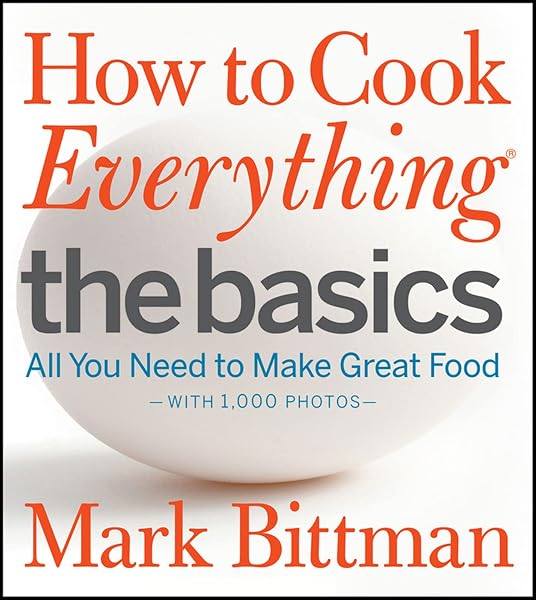
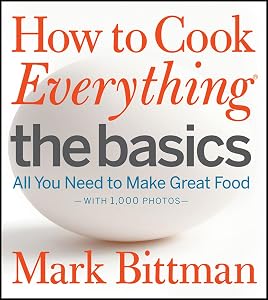
This book stands out as a definitive resource for novice cooks wanting to master fundamentals. Mark Bittman breaks down complex techniques into manageable steps that anyone can follow.
We may earn a commission when you buy through this link, at no additional cost to you.
The inclusion of over a thousand photographs helps visualize every stage of preparation ensuring you understand what each dish should look like. This visual aid is crucial for building confidence.
Recipes are organized logically making it easy to find meals for specific occasions or ingredients. The variety ensures you never run out of ideas for dinner or lunch.
The extensive photography helps users understand texture and doneness better than text alone.
Not suitable for those seeking quick minimalist recipes as it covers traditional methods in depth.
Before choosing this model, weigh this limitation: Large book size.
We may earn a commission when you buy through this link, at no additional cost to you.
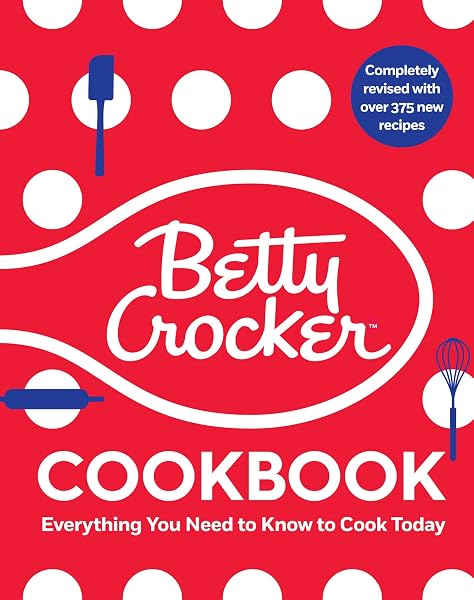
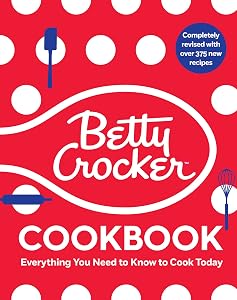
This classic name has been trusted by home cooks for generations and the new edition updates recipes for modern appliances. It includes sections for air fryers and multicookers fitting today's kitchens.
We may earn a commission when you buy through this link, at no additional cost to you.
Dietary restrictions are well represented with vegan and gluten-free options clearly marked for convenience. Nutritional information is available for every single recipe helping with meal planning.
The physical book is built to last with a lay flat design that keeps pages open during use. This durability is essential when hands are busy cooking.
New editions include specific recipes for contemporary appliances like air fryers.
Some may find the traditional style less appealing than more modern minimalist cookbook designs.
Before choosing this model, weigh this limitation: Dated branding.
We may earn a commission when you buy through this link, at no additional cost to you.
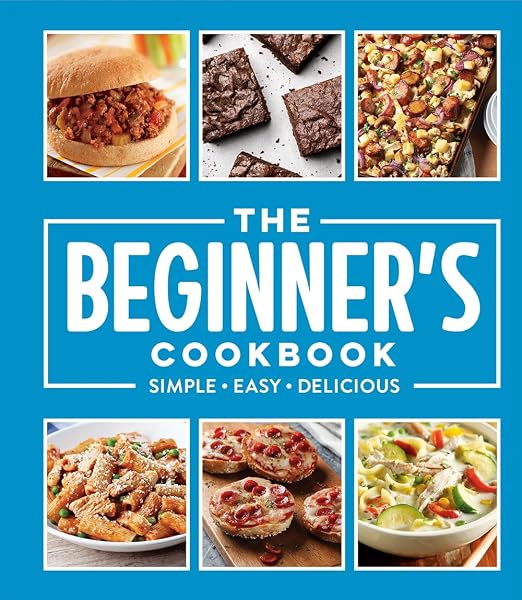
This volume focuses on simplicity offering a curated list of recipes that are easy to execute without stress. It is perfect for those overwhelmed by larger comprehensive cookbooks.
We may earn a commission when you buy through this link, at no additional cost to you.
Each recipe includes helpful hints and fewer ingredients to reduce preparation time. The full-page photos show the final result clearly so you know what to aim for.
The chapters cover essential meal categories ensuring you can cook breakfast lunch and dinner easily. It is a straightforward tool for learning daily meal preparation.
Recipes prioritize simplicity and speed over complex culinary techniques.
Limited variety might not satisfy those looking for extensive recipe collections or exotic options.
Before choosing this model, weigh this limitation: Small recipe count.
We may earn a commission when you buy through this link, at no additional cost to you.
If time is your primary constraint this book offers over 200 recipes designed to be ready in thirty minutes. The focus is on efficiency without sacrificing flavor or quality.
We may earn a commission when you buy through this link, at no additional cost to you.
Test cooks have minimized steps and pans to streamline the process further. This approach allows busy individuals to enjoy home-cooked meals even on hectic weeknights.
The book avoids boring or flavorless fast food options providing variety through different flavor profiles. It proves that quick cooking does not require compromising on taste.
Recipes are optimized for rapid preparation and minimal cleanup time.
Cooking time focus means fewer deep dives into complex foundational techniques.
Before choosing this model, weigh this limitation: Less technique focus.
We may earn a commission when you buy through this link, at no additional cost to you.
This book teaches the philosophy behind cooking rather than just following strict recipes. Understanding the four elements allows you to adapt any recipe you encounter in the wild.
We may earn a commission when you buy through this link, at no additional cost to you.
Samin Nosrat’s clear explanations and Wendy MacNaughton’s charming illustrations make complex science accessible and enjoyable. It bridges the gap between home and professional kitchen thinking.
Recipes serve as practical applications for the concepts ensuring you learn by doing. The style encourages experimentation rather than rote memorization of steps.
Focuses on Salt Fat Acid and Heat to explain why food tastes good.
Not ideal for those seeking a standard recipe collection without theoretical depth.
Before choosing this model, weigh this limitation: Expensive.
We may earn a commission when you buy through this link, at no additional cost to you.
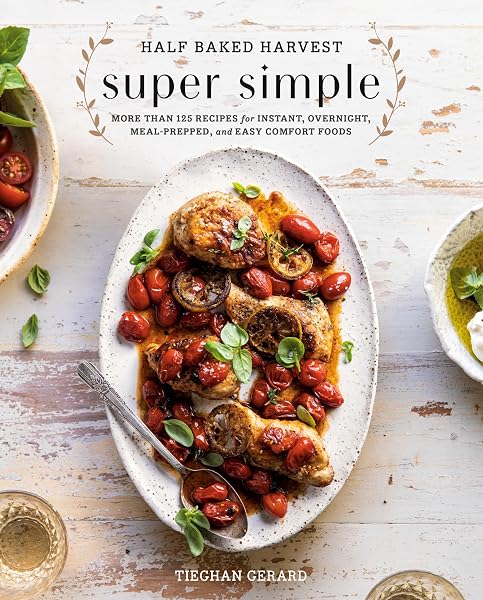
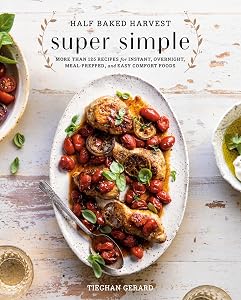
Tieghan Gerard simplifies her popular style into quicker manageable dishes perfect for busy home cooks. The book balances comfort with practicality ensuring meals are delicious and easy.
We may earn a commission when you buy through this link, at no additional cost to you.
Many recipes include one-pot options or meal prep instructions saving valuable time during the week. The focus on comfort food makes it a favorite for weekend cooking sessions.
Beautiful photography and personal notes make the cooking experience feel warm and welcoming. It is especially good for those who want visually appealing meals.
Recipes reduce effort while maintaining rich and comforting flavors.
Less focus on foundational techniques compared to more educational cookbooks.
Before choosing this model, weigh this limitation: Fewer basics.
We may earn a commission when you buy through this link, at no additional cost to you.
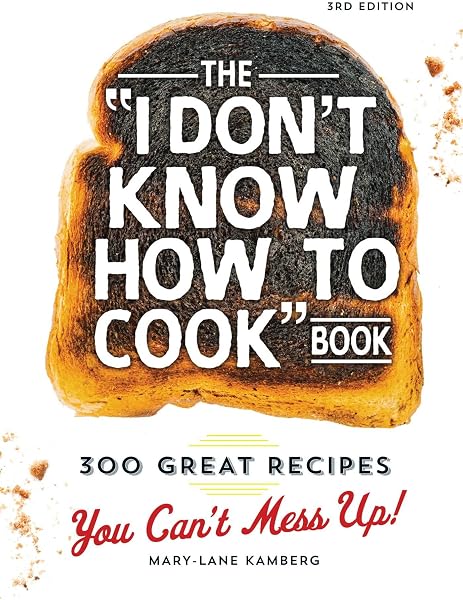
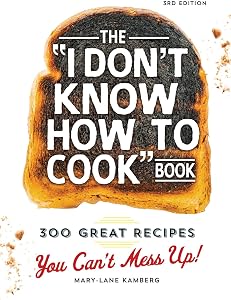
The title alone makes this book approachable for anyone intimidated by the kitchen. It offers a crash course in cooking basics alongside hundreds of recipes you can trust.
We may earn a commission when you buy through this link, at no additional cost to you.
A glossary of terms helps you understand instructions without needing external resources constantly. New recipes in the latest edition ensure content is relevant to modern tastes.
The focus on errorproof methods means you are unlikely to make mistakes while learning. It serves as a reliable safety net for new cooks.
Recipes are designed to be forgiving for inexperienced cooks.
Older design layout may not appeal to readers preferring modern minimal aesthetics.
Before choosing this model, weigh this limitation: Basic instructions.
We may earn a commission when you buy through this link, at no additional cost to you.
Selecting the right cookbook hinges on your specific goals, whether you aim to understand culinary theory or simply prepare meals quickly. The style of instruction and the variety of recipes included are critical elements to evaluate. A well-chosen book serves as a reliable partner in the kitchen, offering guidance that matches your current skill level and future ambitions. By focusing on practical features and proven content, you can avoid common pitfalls and build a foundation for confident cooking.
Some books prioritize explaining the reasoning behind cooking methods, while others focus strictly on listing steps. Understanding the underlying principles helps you cook confidently with any ingredients available to you. When you know why a technique works, you are less likely to follow recipes rigidly and more likely to adapt them to your needs. This flexibility is essential for long-term growth in the kitchen.
If you want to learn how to improvise, choose a book that explains techniques rather than just providing recipes. This approach saves you money by allowing substitutions without ruining dishes. For instance, knowing how to balance flavors allows you to adjust seasoning based on what you have on hand. This depth of instruction is valuable if you plan to cook frequently and want to rely on the book less over time.
For example, Salt, Fat, Acid, Heat teaches you to balance flavors so you can adjust seasoning on the fly. This is worth the higher price if you plan to cook often. The book breaks down cooking into four essential elements, giving you a framework to evaluate any dish. This method empowers you to create meals without constantly checking a recipe, fostering independence in your cooking journey.
Beginners often benefit from recipes that limit ingredients to reduce shopping and prep time. Simpler dishes help you build confidence without feeling overwhelmed by a long checklist. When a recipe requires fewer items, you are more likely to complete it successfully. This success reinforces your desire to keep cooking and exploring new dishes.
Books with recipes requiring fewer than five ingredients are excellent for busy weeknights. They ensure you can make something tasty quickly without special equipment. For example, Super Easy Cookbook for Beginners focuses on 5-ingredient recipes to get you started in the kitchen. This constraint forces creativity and reduces the stress of finding hard-to-get items at the store.
Consider your time availability when choosing a book. If you have evenings free for cooking, you can opt for more complex recipes. However, if you are short on time, stick to titles that emphasize speed. The Best Simple Recipes offers more than 200 recipes that cook in 30 minutes or less, making it suitable for those with tight schedules.
Photos are critical for beginners to understand what a dish should look like at every stage. Seeing the texture of a sauce or the doneness of meat helps avoid mistakes. Text descriptions can be subjective, but images provide a concrete reference point. This visual confirmation reduces the anxiety of not knowing if you are on the right track.
Cookbooks with step-by-step photos provide a visual guide that text alone cannot match. This visual clarity is especially useful for tasks like chopping or mixing. How to Cook Everything: The Basics includes over 1,000 photos to illustrate techniques and recipes. These images break down complex processes into manageable steps, making the learning curve less steep for new cooks.
Invest in books with clear photography if you are learning a specific skill like baking. Visual cues ensure you know when the dish is ready to eat. For instance, seeing the color of a crust or the rise of a dough helps you judge doneness accurately. This level of detail is invaluable when you cannot rely on taste or touch alone.
Modern cookbooks often include vegan or gluten-free options, which are helpful if you have restrictions. Checking for these labels ensures you can use the book without finding substitutions. When a book explicitly marks dietary variations, it saves you the effort of modifying recipes yourself. This ensures the final dish meets your health requirements without guesswork.
A book with dedicated chapters for specific diets saves you time filtering through recipes. It ensures every meal fits your health goals without extra research. The Betty Crocker Cookbook, 13th Edition includes a new veggie-forward chapter along with gluten-free and vegan recipes. This structure makes it easy to find meals that align with your dietary preferences.
If you cook for a family with diverse needs, look for flexible recipes that adapt easily. This versatility makes the book useful for all household members. Half Baked Harvest Super Simple offers vegan and vegetarian options alongside comfort foods. Having these options in one place simplifies meal planning and ensures everyone at the table is satisfied.
Larger books offer more variety but smaller ones are less intimidating for new cooks. Choose a size that matches your commitment level to cooking at home. A massive tome might feel daunting if you only cook occasionally, while a slim volume might run out of ideas quickly. Finding the right balance helps you stay engaged with the material.
Books with hundreds of recipes provide options for months of meal planning without repetition. This is ideal if you want to avoid cooking the same dish weekly. The Betty Crocker Cookbook contains over 1,300 recipes, offering extensive variety. This volume ensures you can explore different cuisines and techniques without needing to purchase additional books immediately.
However, a smaller curated selection helps you focus on mastering basics before expanding. Start small and add more books as you grow your skills. The Beginner’s Cookbook offers more than 90 simple recipes. This manageable number allows you to work through the book completely, building confidence before moving on to more extensive resources.
Books from reputable sources like America’s Test Kitchen ensure tested recipes that work reliably. These authors have rigorously tested dishes so you do not waste ingredients. When a brand has a history of precision, you can trust that the cooking times and ingredient amounts are accurate. This reliability is crucial when you are learning and cannot afford frequent failures.
Professional chefs often bring industry insights that elevate home cooking to a higher level. Their advice on knife skills or timing can speed up your process. Samin Nosrat, author of Salt, Fat, Acid, Heat, draws from decades of professional experience. Her guidance helps you understand the mechanics of cooking, not just the execution.
Choosing a book by a trusted author reduces the risk of failed recipes. This reliability is worth paying for if you value your time. The Complete Cookbook for Young Chefs was tested by more than 750 kids to ensure recipes work for all skill levels. This level of validation gives you confidence that the instructions will lead to a successful meal.
A lay-flat design is practical because it keeps the book open on the counter while you cook. This feature prevents pages from closing when your hands are busy. Cooking often involves handling ingredients that can stain or tear paper. A sturdy format protects the content and makes it easier to reference instructions while working.
Hardcover books generally last longer than paperback, which may tear with frequent use. Durability matters if you plan to keep the book as a reference for years. The Betty Crocker Cookbook, 13th Edition is available in a durable, lay-flat format. This construction ensures the book remains usable even after repeated handling in a busy kitchen.
Consider if you prefer physical or digital formats. Physical books are easier to use with dirty hands, but ebooks save space on your shelf. If you have limited counter space, a digital version might be more practical. However, for hands-on learning, a physical book with tactile pages often provides a better experience.
Some cookbooks start with basics and move to advanced techniques, allowing growth within one book. This structure helps you avoid buying multiple resources as you learn. A logical progression keeps you challenged but not overwhelmed. It ensures you master foundational skills before attempting more complex dishes.
Look for sections that introduce tools or methods gradually rather than all at once. This prevents information overload during your early cooking experiences. The New Cooking School Cookbook features 80+ focused courses that progress from basic to more advanced. This course-based approach mimics a classroom setting, guiding you through skills systematically.
A book that challenges you slightly beyond your comfort zone accelerates learning. It pushes you to try new flavors without being impossible to follow. The I Don’t Know How To Cook Book includes lessons on basics alongside 300 recipes. This mix allows you to build confidence with simple meals while gradually tackling more involved projects.
Keep your cookbook in a dry area away from steam and heat sources to prevent damage. Using a book stand helps you read recipes hands-free while cooking.
Mark your favorite recipes with tabs or sticky notes so you can find them quickly next time. This organization saves preparation time for meals you make frequently.
Clean your book regularly by wiping it with a dry cloth to remove dust or spills. If pages get wet dry them flat immediately to avoid warping or mold.
How to Cook Everything: The Basics is widely considered the best for beginners due to its detailed photos and clear explanations. It covers fundamental techniques effectively.
The Complete Cookbook for Young Chefs is designed specifically for kids with recipes tested by children. It is perfect for families cooking together.
The Betty Crocker Cookbook includes full nutritional information for all recipes which helps with meal planning. Other books may vary in this feature.
Yes many books like the Betty Crocker and Salt Fat Acid Heat include vegan options. Always check the index for dietary labels.
The Best Simple Recipes focuses on dishes ready in 30 minutes or less. It is ideal for busy weeknights.
Hardcover books are more durable and lay flat which is better for kitchen use. Paperback is lighter but less sturdy over time.
Choosing the right cookbook sets the foundation for your cooking journey and confidence in the kitchen. Select a book that matches your pace and learning style to enjoy the process.
Books like How to Cook Everything and Salt Fat Acid Heat provide lasting value that grows with your skills. They teach principles that apply to any recipe you encounter.
Remember that the best cookbook is the one you actually use regularly. Pick a volume that excites you to cook and fits your lifestyle perfectly.