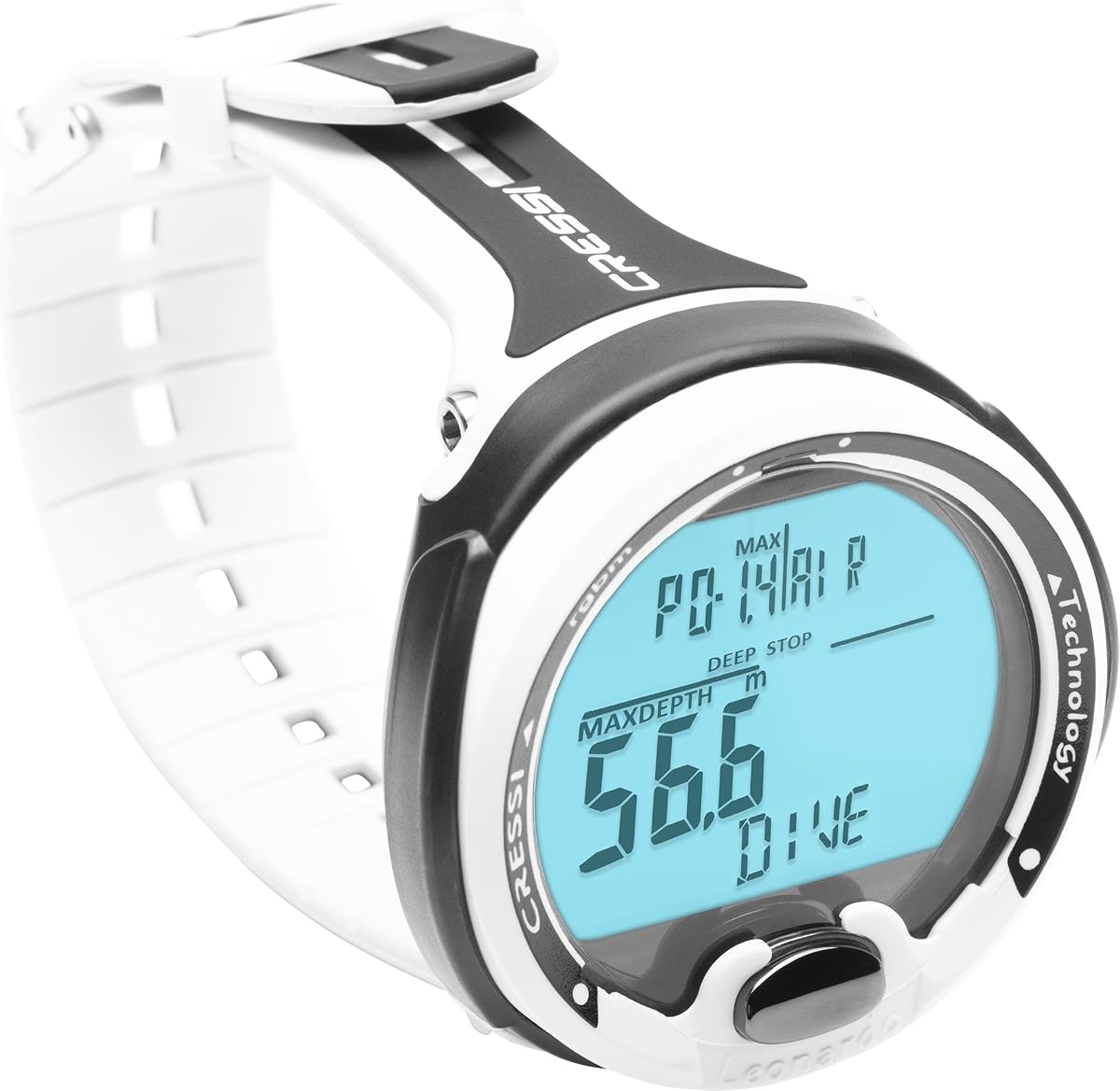
CRESSI Leonardo 2.0 G2 Dive Watch
4.2Editor score
Single-button navigation
Air and Nitrox modes
iOS and Android pairing
Compare the top 10 dive computers for beginners with real user ratings and detailed specs to find the perfect underwater safety companion for your adventures.
Choosing the right dive computer is essential for every new diver looking to explore the underwater world safely. A good beginner model offers intuitive controls, reliable depth tracking, and clear displays that keep you informed without overwhelming you with complex data during your dive.
We analyzed ten highly rated models based on user feedback, feature sets, and ease of use. This list covers a range of options from simple single-button watches to advanced multi-gas computers, ensuring there is a suitable choice for every type of new diver starting their journey.
Each pick highlights key strengths and potential trade-offs to help you make an informed decision. Please note that specific model availability and configurations may vary over time, so always check the latest details before purchasing your new underwater safety gear.
4.2Editor score

4.7Editor score

4.7Editor score
This side-by-side comparison highlights the key specifications and capabilities of each model to help you quickly identify the device that best fits your diving style and technical requirements.

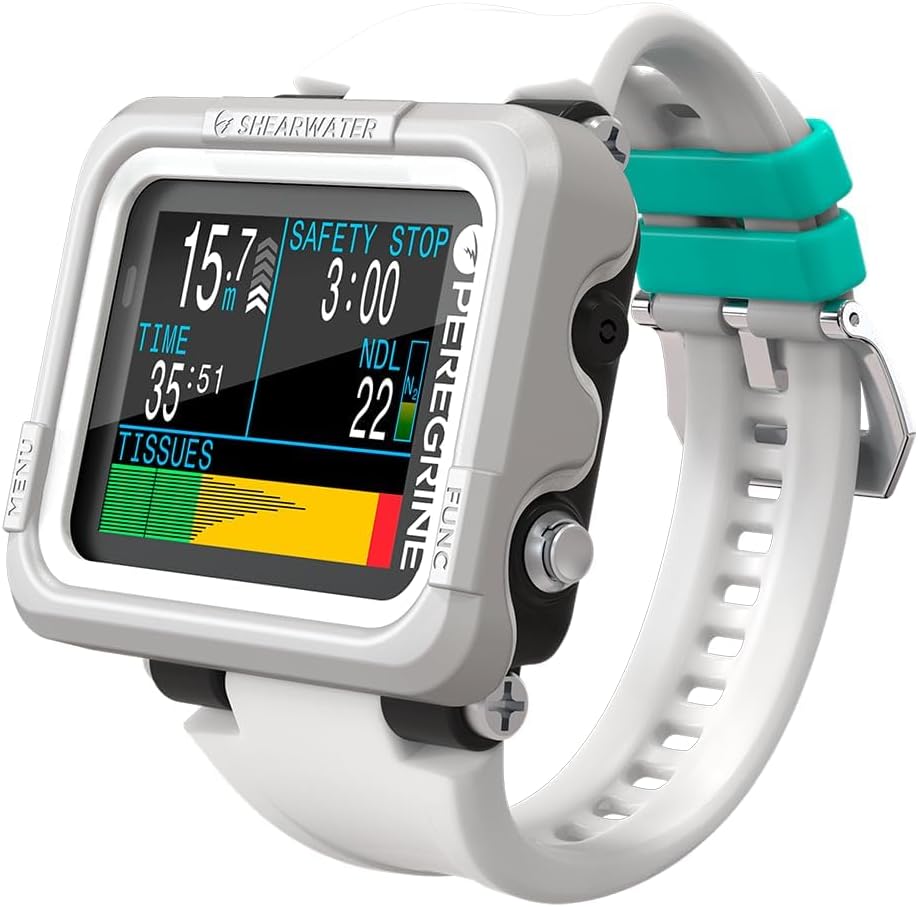


The Shearwater Research Peregrine Dive Computer stands out as a top choice for beginners who value reliability and simplicity. With a strong rating from users, it offers a clear display and an intuitive interface that makes underwater navigation easy without unnecessary complexity.
We may earn a commission when you buy through this link, at no additional cost to you.
Its two-button menu structure is state-aware, meaning it responds logically to your diving context. The battery lasts up to thirty hours on medium brightness, and the included wireless charging station adds significant convenience for regular divers who want to avoid battery swaps.
While the initial investment is higher than entry-level watches, the build quality and ease of use justify the cost. The stainless steel buttons are robust, and the absence of complex menus reduces the risk of accidental changes during a dive.
This model is ideal for new divers who plan to dive regularly and want a device that will grow with their skills. Its straightforward design ensures you stay focused on the dive rather than troubleshooting settings underwater.
The state-aware menu structure ensures that the computer only shows relevant information for your current dive mode, reducing cognitive load underwater.
The included USB wireless charging station allows you to recharge the device without opening battery compartments, protecting it from water intrusion.
We may earn a commission when you buy through this link, at no additional cost to you.
The CRESSI Leonardo 2.0 is an excellent entry point for beginners seeking a functional watch-style computer at a budget-friendly price. It supports Air and Nitrox modes, covering the needs of most recreational divers. The single-button interface simplifies menu navigation significantly.
We may earn a commission when you buy through this link, at no additional cost to you.
Safety is a priority with this model, featuring quick critical alerts through both visual and audible signals. You can pair it with iOS or Android devices for dive tracking, and the data transfer capabilities help you analyze your logs effectively after every dive.
While it lacks advanced technical features, it provides all the essentials for safe recreational diving. The Italian craftsmanship is evident in the build, and the straightforward controls mean you can focus on learning diving skills rather than operating complex electronics.
This watch is perfect for beginners who want reliable performance without breaking the bank. It ensures you stay informed about your dive profile while keeping costs low and operation simple.
Critical dive data alerts are communicated through both visual cues and audible alarms, ensuring you never miss important warnings underwater.
USB and infrared data transfer allow for easy analysis of dive logs, helping you understand your progress and planning future dives.
We may earn a commission when you buy through this link, at no additional cost to you.
The Garmin Descent X30 represents the premium end of beginner computers, offering advanced features like surface GPS and multi-gas support. Its vibrant color display ensures excellent visibility, and the large screen allows for clear data presentation even in low-light underwater conditions.
We may earn a commission when you buy through this link, at no additional cost to you.
Designed for durability, the housing and bezel use recycled ocean-bound plastics and withstand high pressure with a 10 ATM rating. The flip-screen mode helps orient buttons, and you can customize data fields to prioritize the metrics that matter most to you.
Although it carries a higher price tag, the added capabilities make it a strong long-term investment. The NDL Aware metrics help extend bottom time safely, and the onboard water temperature sensor lets you find thermoclines with precision.
This model is ideal for beginners planning to grow into technical diving or who want the best data available. The surface GPS aids in navigating to sites and marking entry points, adding a layer of security for your underwater explorations.
Surface GPS helps navigate to dive sites and mark entry exit points, providing valuable safety data for surface intervals and dive location.
The large screen supports custom layouts with up to three data fields per page, allowing personalized views for different dive conditions.
We may earn a commission when you buy through this link, at no additional cost to you.
The SUUNTO D5 offers a sleek design with a color display that enhances readability underwater. It includes useful features like wireless tank pressure monitoring and a digital compass, making it a versatile tool for recreational divers who want a bit more tech in their setup.
We may earn a commission when you buy through this link, at no additional cost to you.
Water resistance is rated at 100m, which suits most recreational diving needs. The wireless mobile connection helps sync data easily, and vibration alarms ensure you are notified of critical limits without relying solely on visual cues.
Some users find the setup and menu navigation can be less intuitive compared to simpler models. However, once configured correctly, it provides a solid set of tools for monitoring your dive environment and safety limits effectively.
This computer is a good choice for divers who appreciate a modern aesthetic and wireless connectivity. It balances functionality with style, though it may require a bit more patience during initial configuration to get the most out of its features.
Wireless tank pressure sensors eliminate the need for traditional gauges, streamlining your gear setup and reducing clutter during dives.
Vibration alerts provide a tactile feedback method for critical dive data, ensuring you stay aware even in noisy underwater environments.
We may earn a commission when you buy through this link, at no additional cost to you.
The Shearwater Research Peregrine Adventures Edition provides a vivid color LCD display that enhances data clarity. It supports multiple diving modes including Air, Nitrox, and Gauge, offering flexibility for various diving scenarios without overwhelming the user with excessive complexity.
We may earn a commission when you buy through this link, at no additional cost to you.
The use of the Buhlmann ZHL-16C algorithm ensures safe decompression calculations, and the computer never locks out for plan deviations. This flexibility is crucial for beginners who might vary their depth slightly during a dive. Battery life is solid at 30 hours.
While it shares the two-button interface with the standard model, the color display adds a modern touch that many divers find helpful. The wireless charging station is included, ensuring convenience and reducing maintenance downtime over the life of the device.
This edition is ideal for those who want a colorful display without sacrificing the reliability of the original model. It is a robust choice for divers who need multiple gas options and a durable, easy-to-use interface.
Never locking out for deviations gives divers peace of mind, allowing for natural dive behaviors without forced safety stops unless necessary.
The enhanced color range improves visibility underwater, making it easier to read critical numbers in varying light conditions.
We may earn a commission when you buy through this link, at no additional cost to you.
The Cressi Raffaello distinguishes itself with a built-in digital compass, removing the need for a separate instrument. This convenience is highly valued by divers who want streamlined gear. It supports apnea and gauge modes, making it versatile for different underwater activities.
We may earn a commission when you buy through this link, at no additional cost to you.
Using the RGBM-based mixed-gas planning system, it allows for meticulous preparation for various gas mixes. You can transfer data via Bluetooth or USB, and the battery offers a long expected life of four years, reducing the frequency of maintenance.
While the battery is user-replaceable, which can be a pro or con depending on your preference, the overall reliability is high. The compass navigation enhances underwater exploration, helping you maintain your bearing without relying on external tools.
This model is great for divers who value navigation tools and versatile modes. The data transfer options ensure you can review your dives easily, and the long battery life means fewer interruptions to your schedule.
Eliminating the need for a separate compass enhances the experience by reducing gear complexity and improving precision underwater.
Support for apnea and gauge modes supports both freediving and traditional scuba, making it an adaptable tool for many adventures.
We may earn a commission when you buy through this link, at no additional cost to you.
The Garmin Descent G2 is a robust hybrid dive computer that doubles as a daily smartwatch. It features an AMOLED display and a sapphire lens for durability, and supports all types of diving from recreational to technical. Dive readiness features help assess your physical preparedness based on sleep and stress.
We may earn a commission when you buy through this link, at no additional cost to you.
Beyond diving, it tracks health metrics like heart rate and VO2 max, offering insights into your overall wellness. You can store logs on the device and review them via the smartphone app, and smart notifications keep you connected when on the surface.
While it offers extensive functionality, this complexity can be overwhelming for absolute beginners. However, for those who want a versatile wrist device, the combination of dive tracking and health monitoring is highly valuable and justifies the investment.
This model is best for divers who want a unified device for fitness and diving. The battery life in dive mode is solid, and the health insights provide a holistic view of how your body handles physical stress.
Health tracking features give insights into how your body adapts to training, helping you optimize recovery between dives.
Insights into sleep and stress help you plan safer dives by ensuring you are physically prepared for underwater exertion.
We may earn a commission when you buy through this link, at no additional cost to you.
The CRESSI Giotto is designed for divers who need to manage multiple gas mixes and log significant data. It supports up to three Nitrox mixes and features altitude diving support, making it suitable for high-elevation lake or mountain diving.
We may earn a commission when you buy through this link, at no additional cost to you.
Its logbook capacity stores up to seventy hours of dive data, allowing for detailed tracking. The customizable oxygen settings ensure precision for various conditions, and the depth limit reaches nearly 400 feet, offering ample range for recreational needs.
While the interface is functional, it may lack the customization options of newer models. However, its core functionality is solid, providing safety and reliability for divers exploring different environments and depths regularly.
This computer is a strong choice for divers who dive at altitude or use Nitrox regularly. The comprehensive logbook helps you analyze long-term trends, ensuring you have a clear record of your underwater experiences.
Altitude diving support ensures safety at high elevations, compensating for lower atmospheric pressure during descent and ascent.
Managing up to three Nitrox mixes in one dive allows for flexible gas planning and optimized decompression profiles.
We may earn a commission when you buy through this link, at no additional cost to you.
The Mares Puck Lite offers a straightforward experience with a single-button control and crystal-clear segment display. It uses the Buhlmann ZH-L16C algorithm for safety and supports Nitrox mixtures up to 50 percent, giving you flexibility for longer dives.
We may earn a commission when you buy through this link, at no additional cost to you.
The logbook tracks up to 100 dives with detailed profiles and graphs, making it easy to review performance. Bluetooth connectivity allows for easy firmware updates and data syncing to smartphones, keeping your records secure and accessible.
While it lacks a full color screen, the visibility is excellent in various conditions, and the operation remains simple even with gloves. This simplicity is a key strength for beginners who want to focus on their dive skills.
This model is ideal for those seeking reliable basics without unnecessary complexity. The robust logbook ensures you keep track of progress, and the user-replaceable battery means you can maintain the device yourself easily.
The Buhlmann ZH-L16C algorithm enhances safety by providing precise decompression tracking for a range of diving scenarios.
Bluetooth enables direct connection to devices for easy data syncing and firmware updates, streamlining your workflow.
We may earn a commission when you buy through this link, at no additional cost to you.
The Garmin Descent G1 offers rugged build quality with a sapphire lens and silicone bands for comfort. It supports a wide range of diving types including free diving and spear fishing, and stores up to 200 dives on the wrist for extensive history tracking.
We may earn a commission when you buy through this link, at no additional cost to you.
Battery life is impressive at up to 25 hours in dive mode and 21 days in smartwatch mode. You can use it for general fitness tracking with over 30 sports apps, but the dive-focused design ensures you have reliable safety data underwater.
While the monochrome display lacks color, it is easy to read and reduces power consumption significantly. Health monitoring features give insights into wellness, helping you understand how your body handles the stress of diving and daily life.
This computer is best for divers who prioritize battery endurance and dive storage. The smart capabilities are a bonus for those who want a versatile watch, but the core diving functionality remains the primary focus of the device.
Storing 200 dives on your wrist allows for extensive history without needing external storage or immediate syncing.
Up to 21 days in smartwatch mode ensures the device remains ready for spontaneous trips without frequent charging.
We may earn a commission when you buy through this link, at no additional cost to you.
Selecting a dive computer involves balancing features with usability. Consider the following factors to find a device that matches your diving style and growth potential.
Display types vary from simple monochrome to vibrant color screens. Monochrome displays often save battery and remain readable in low light, while color screens offer better visualization of complex data fields. Beginners should prioritize readability and battery efficiency over aesthetic appeal.
Opt for a display that is clear and bright enough to read at depth without causing eye strain.
The interface should be intuitive and easy to navigate underwater. Single-button models are easiest to learn, while multi-button interfaces offer more customization. Ensure that menu changes are secure to avoid accidental adjustments during a dive.
Look for state-aware menus that simplify the options based on your current dive status.
Battery life impacts how often you need to recharge or replace cells. Long endurance is essential for trips with multiple dives per day. Some models offer user-replaceable batteries for convenience, while others use built-in rechargeable options.
Prioritize models that offer at least 20 hours of dive mode battery life to reduce downtime.
Basic models support Air and Nitrox, which covers most recreational needs. Advanced models may include Gauge or Apnea modes for freediving or surface interval tracking. Beginners should ensure the device covers their current plans but allows for future upgrades.
Check that the computer supports the gas mixes you plan to use.
A robust logbook helps you track progress over time. Capacity ranges from dozens to hundreds of dives, or hours of logged data. Sync capabilities allow you to review this data on a computer or phone easily.
Ensure the logbook can store enough dives to cover your typical season or travel duration.
Bluetooth and USB connectivity make data transfer easier. Modern models allow for firmware updates and app syncing without cables. This feature is useful for tracking health metrics or dive plans.
Look for dual options like Bluetooth and USB to ensure compatibility with your devices.
Alarms for depth, time, and decompression limits are critical. Audible, visual, or vibration alerts ensure you notice warnings even if distracted. Some models include a compass or tank pressure monitoring for added safety.
Prioritize models that offer clear and customizable alarm settings.
The housing should resist corrosion and impacts. Look for ratings like 10 ATM for pressure resistance. Materials like stainless steel or recycled ocean-bound plastics ensure longevity in saltwater environments.
Check for robust seals and quality construction to prevent water damage.
Before diving, ensure the device is fully charged or has fresh batteries. Check that all buttons are functioning correctly and that the screen is readable. Perform a self-test if the model supports it to verify sensors and alarms.
After each dive, rinse the computer with fresh water to remove salt and sand. Use a soft cloth to dry the casing and check for any visible damage. Store it in a cool, dry place away from direct sunlight to protect the electronics.
Regularly check firmware updates through the provided app or software. Sync your dive logs to ensure you have backups of your data. If the device is not used for an extended period, remove the battery or recharge it periodically to maintain health.
While tables are legal without them in some regions, a computer provides critical safety data like no-decompression limits. It helps you track depth and time more accurately than a watch, reducing the risk of decompression sickness for beginners.
Many modern computers support freediving modes that track dive and surface intervals. However, standard models may lack specific freediving algorithms, so look for devices that explicitly mention apnea or freediving capabilities.
Rechargeable batteries last until the unit is worn out, while replaceable ones vary by model. Check the device specifications for expected life and monitor low battery warnings to avoid interruptions during your dives.
Yes, they are designed to withstand underwater pressure up to specific ratings like 100m or 10 ATM. Always verify the depth limit before your dive to ensure it covers the deepest point you plan to reach.
Most modern models support Bluetooth or USB sync with companion apps. Connect the device to your computer or smartphone and use the provided software to upload and view detailed dive history easily.
Many computers integrate tank pressure monitoring via wireless sensors. If your model supports this, it eliminates the need for a separate gauge. However, ensure your specific model includes this feature if you want to rely on it.
We have explored ten top-rated dive computers, ranging from budget-friendly watches to premium hybrids with advanced health tracking. The Shearwater Research Peregrine stands out for its intuitive two-button interface and reliable safety features.
When making your decision, prioritize ease of use and battery life. Beginners often benefit from simple navigation and long endurance, so choose a model that matches your diving plans and budget without unnecessary complexity.
Remember to check current availability and configurations before purchasing. Prices and specs may change over time, so always verify the latest details to ensure you select the right underwater companion for your adventures.