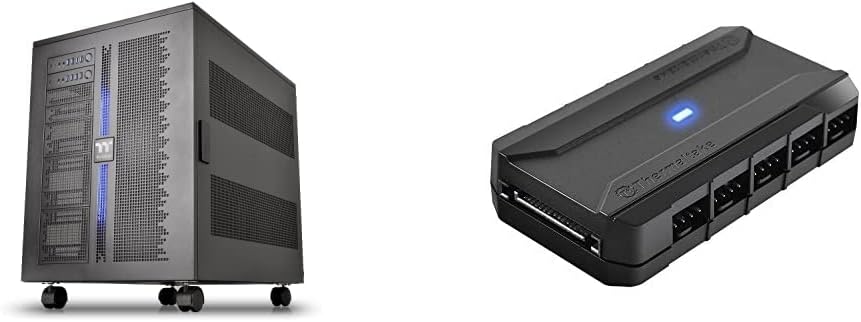
Thermaltake Core W200
Supports two full systems
Modular dismantlable design
Up to 600mm radiators
Discover the top 10 dual system PC cases for 2026. Compare features, cooling, and ratings to find the perfect chassis for your multi-system build.
Dual system PC cases offer a unique solution for enthusiasts who need to run two separate computers in one chassis. These specialized enclosures support multiple motherboards, power supplies, and graphics cards efficiently. They save desk space while providing excellent thermal performance and cable management for complex setups.
We evaluated ten top-rated cases based on airflow, build quality, and compatibility with modern components. Our comparison includes options from leading brands like Thermaltake, NZXT, and ASUS. Each product was analyzed for its ability to house dual systems or provide dual-chamber separation for optimal cooling.
This guide reveals the best picks for various budgets and build styles. You will find detailed reviews, pros and cons, and key specifications for every case. Note that prices and availability change frequently, so check the latest offers before purchasing your new chassis.

4.6Editor score

4.7Editor score
The following table provides a side-by-side comparison of all ten featured cases. Review the key specifications to determine which chassis best fits your specific dual-system or high-airflow requirements.


The ASUS TUF Gaming GT502 stands out as a leading choice for dual system builds. With a solid rating, it offers a dual-chamber design that separates critical components effectively. This layout ensures cleaner aesthetics and better thermal performance for your setup.
We may earn a commission when you buy through this link, at no additional cost to you.
Its standout qualities include the versatile graphic card mounting options. You can stand your GPU up proudly with the included vertical mount or use the bundled support bracket to banish sag. The panoramic view with tinted tempered glass panels at the front and side enhances the visual appeal significantly.
Tool-free side panels make access incredibly easy for upgrades. The front panel high-speed connectivity provides USB 3.2 Gen 2 Type-C and additional ports for peripherals. While it is not the cheapest option, the build quality justifies the investment for serious gamers.
Who should buy it? Enthusiasts looking for a balance of style and function. The independent cooling zones allow you to configure the CPU and GPU separately. We recommend this case for those who want a robust chassis that supports modern hardware needs.
The internal division allows for independent cooling zones. This means your CPU and GPU fans can operate without interfering with each other.
Cable routing is supported by thoughtful design features. This keeps the build looking pristine and improves overall airflow.
We may earn a commission when you buy through this link, at no additional cost to you.
The Thermaltake Core W200 is engineered for those needing parallel operation. It supports installing two separate systems in a back-to-back configuration. This unique capability makes it ideal for power users managing multiple operating systems or distinct workloads.
We may earn a commission when you buy through this link, at no additional cost to you.
Key strengths lie in its modular and dismantle design. The fully breakdown construction provides flexibility during assembly and maintenance. Additionally, the Commander FP hub powers up to 10 PWM fans simultaneously, ensuring you have ample cooling for high-performance builds.
One honest trade-off is the physical size. This chassis requires significant desk space due to its dual system capacity. However, for those who need it, the extra space is a necessary compromise. It also supports up to 2x 600mm radiator applications for extreme custom liquid cooling.
This case is best for server-like home setups or advanced enthusiasts. It includes reusable ties and velcro tabs to keep cables neat and tidy. We suggest this for users who prioritize system redundancy and maximum cooling over compact design.
Supports two motherboards, power supplies, and VGA cards. This allows for true parallel computing within one chassis.
Up to 600mm radiators can be installed. This enables extreme cooling for overclocked dual-system configurations.
We may earn a commission when you buy through this link, at no additional cost to you.
The Thermaltake View 380 offers exceptional value for budget-conscious builders. It features a dual chamber case design with pillarless front and side tempered glass panels. This creates a seamless viewing experience for your components without bulky frames.
We may earn a commission when you buy through this link, at no additional cost to you.
Its standout quality is the compatibility with Hidden-Connector Motherboards. This ensures a cleaner build by hiding cables. The four Hydraulic Bearing 120mm ARGB Lite Fans are pre-installed, saving you the hassle of buying extra cooling immediately.
One trade-off is the limited max radiator size of 360mm. This might restrict extreme liquid cooling setups. However, for standard air or modest liquid builds, it is sufficient. The 3 Year Warranty adds peace of mind for new builders.
Who should buy it? Entry-level enthusiasts wanting a stylish chassis. The I/O ports include Gen.2 USB 3.2 Type-C. We recommend this for those who want a modern look without breaking the bank.
Pillarless design creates a clear visual window. This enhances the aesthetic appeal of your internal components.
USB 3.2 Gen 2 Type-C ensures fast transfers. This keeps you up to date with modern peripherals.
We may earn a commission when you buy through this link, at no additional cost to you.
The NZXT H9 Flow RGB+ separates main components from the PSU for better thermal performance. Its dual-chamber ATX design ensures improved cable management. This is ideal for those who want a clean look and efficient cooling for high-performance builds.
We may earn a commission when you buy through this link, at no additional cost to you.
Its key strengths include the optimized airflow design. Perforated steel panels and angled front-right fans ensure efficient cooling. The case includes three RGB fans and an NZXT Control Hub, providing immediate visual appeal and control.
One trade-off is the cost. It is pricier than similar non-RGB cases. However, the included accessories offset this slightly. The seamless wraparound tempered glass paneling showcases every detail of your build beautifully.
Who should buy it? Users prioritizing aesthetics and airflow. The back-connect ready feature supports boards like ASUS BTF. We suggest this for those who want a modern case with ready-made lighting.
The PSU is isolated in a dedicated chamber. This prevents heat from affecting other sensitive components.
Extra-wide channels make routing effortless. Built-in Velcro straps keep everything tidy.
We may earn a commission when you buy through this link, at no additional cost to you.
The Cooler Master HAF II 500 offers an oversized Mighty40 cooling system. Two 220 x 40 mm front intake fans provide massive airflow. This is perfect for high-end builds that generate significant heat and require constant cooling.
We may earn a commission when you buy through this link, at no additional cost to you.
Key strengths include the low airflow resistance design. Large ventilation openings improve throughput significantly. The split-level cable management optimizes routing space and creates room for the oversized rear exhaust cooling.
A trade-off is the size of the front intake. It may not fit on all desks. However, the performance gains are worth it. The MasterRail mounting system supports multiple fan and radiator sizes at the front and top.
Who should buy it? Users needing maximum cooling potential. The dual-mode GPU holder stabilizes heavy cards. We recommend this for thermal performance enthusiasts who prioritize function over minimalism.
Supports large fans that push air effectively. This keeps GPU and CPU temperatures low.
Split-level design helps organize cables better. This improves airflow by reducing obstruction.
We may earn a commission when you buy through this link, at no additional cost to you.
The Antec Flux Pro combines metal, glass, and wood for a high-quality texture. This unique material mix creates a distinct look. It supports simultaneous installation of a 420mm radiator and 360mm radiator for serious cooling needs.
We may earn a commission when you buy through this link, at no additional cost to you.
Key strengths include the multi-directional vent design. It supports up to 12 fans simultaneously. Pre-installed Tranquil PWM fans help manage noise levels while maintaining efficient airflow across the system.
One trade-off is the aesthetic appeal of the wood. It may not fit all styles. However, it provides a premium feel. The innovative iShift PSU mount allows for flexible component orientation.
Who should buy it? Users wanting a unique full-tower. The removable cooling brackets aid in cleaning. We suggest this for those who value material variety and raw cooling capacity.
Multi-directional vents ensure cool air reaches all parts. This minimizes heat build-up inside.
Supports E-ATX boards and large radiators. This offers flexibility for custom liquid cooling.
We may earn a commission when you buy through this link, at no additional cost to you.
The ASUS ROG Strix Helios II is made for showcase builds with a premium design. It features an aluminum front panel with a diamond-grille design. The dual tempered glass side panels allow you to see inside the chassis clearly.
We may earn a commission when you buy through this link, at no additional cost to you.
Its key strengths include the support for graphics cards up to 450mm long. The graphics card braces and detachable PSU bracket aid DIY building. Effortless cable management is enabled by multifunction covers and a PSU shroud.
One trade-off is the price. It is one of the more expensive options on the list. However, the Advanced I/O panel with USB 20Gbps Type-C ports justifies the cost for power users.
Who should buy it? High-end gamers needing space. The pre-installed performance fans deliver ultimate airflow. We recommend this for those who want top-tier build quality and support for long GPUs.
Aluminum front panel ensures durability. This adds a high-end feel to your setup.
USB 20Gbps ensures fast data speeds. This future-proofs your connections.
We may earn a commission when you buy through this link, at no additional cost to you.
The HAVN HS 420 features a hybrid structure designed to direct cool air onto the GPU. The dual-chamber design balances airflow and traditional case size ratio. This helps maintain high performance without sacrificing aesthetics or standard fit.
We may earn a commission when you buy through this link, at no additional cost to you.
Its key strengths include the SimpliCable routing system. Uniquely user-friendly, it uses top-to-bottom grooved guides for clean routing. The case fits a total of eleven 140mm fans, offering massive cooling potential.
One trade-off is the brand recognition. It is less common than others. However, the quality is high. The heat-formed UniSheet Glass Panel minimizes visual distortion for a panoramic view.
Who should buy it? Builders looking for innovation. The 3-way adjustable support bracket handles various GPUs. We suggest this for those wanting a unique and efficient chassis.
Balances airflow for better cooling. The central GPU gets targeted air flow.
SimpliCable ensures neat appearance. This improves airflow by reducing clutter.
We may earn a commission when you buy through this link, at no additional cost to you.
The NZXT H6 RGB+ is a compact dual-chamber ATX PC case. A dedicated secondary chamber isolates power and cables from your main build. This layout enhances airflow while maintaining a small footprint for smaller desks.
We may earn a commission when you buy through this link, at no additional cost to you.
Its standout qualities include the seamless curved glass. Single-piece tempered glass is bent to a tight radius for minimal distortion. Every component and RGB detail is front and center without visible seams.
One trade-off is the lack of included fans. You must buy them separately to customize lighting. However, this offers flexibility. The high-airflow mesh across top and right panels improves cooling.
Who should buy it? Users needing a smaller footprint. The anti-sag bracket supports heavy modern GPUs. We recommend this for those wanting a compact dual-chamber design with clean lines.
Maintains separation in a smaller space. This improves airflow for smaller desks.
Single-piece bent glass looks modern. This reduces visual distortion significantly.
We may earn a commission when you buy through this link, at no additional cost to you.
The Thermaltake Capo X delivers the ability for parallel operation from a single chassis. It can house two independent mATX systems simultaneously. This minimally impacts the footprint left on your desk, opening extra space for your tools.
We may earn a commission when you buy through this link, at no additional cost to you.
Key strengths include the individual I/O for each system. Each has a power reset and USB ports. The detachable clamp GPU braces provide top and bottom support for each graphics card.
One trade-off is the mATX limitation. It does not support ATX. However, for small dual systems, it is ideal. Hidden connector support allows for clean builds on boards like ASUS BTF.
Who should buy it? Those needing two small systems. The configurable cooling supports up to thirteen 120mm fans. We suggest this for users needing redundancy or specific parallel workloads.
Two mATX systems in one chassis. This saves desk space significantly.
Individual I/O for each system. This allows separate management.
We may earn a commission when you buy through this link, at no additional cost to you.
Selecting the right dual system PC case requires understanding your specific needs. We break down the critical factors to help you choose.
Ensure the case supports your motherboard size. Dual system cases often support mATX or ATX boards.
Always verify compatibility with your specific motherboard type before buying.
A dual chamber design separates your PSU from the main components. This improves airflow and reduces heat on the CPU.
Look for a dedicated chamber to isolate heat sources effectively.
Dual systems generate more heat. Look for cases with multiple fan mounts and large radiator support.
Prioritize cases that allow for multiple fans to manage heat.
Managing cables in dual setups is challenging. Look for channels and straps that hide wires behind the motherboard tray.
Good cable management ensures better airflow and a clean look.
Long graphics cards need extra clearance. Check the maximum GPU length supported by the case.
Ensure your GPU fits without blocking airflow or other components.
High-quality materials like steel and glass ensure durability. Check the weight and panel thickness.
Sturdy builds prevent vibrations and last longer.
Dual systems may need multiple USB ports. Ensure the front panel has enough connectivity for your needs.
More ports make daily use and peripheral connection easier.
Start by planning your layout. Dual systems require careful routing to avoid cable tangles. Ensure both systems have access to power cables.
Regular cleaning is essential. Dust filters block airflow. Clean the filters every month to keep temperatures low.
Manage your cables. Use ties to separate the two systems. This ensures maintenance is easier when one system needs repair.
A dual system PC case is a chassis designed to house two separate computers. This allows for parallel processing or redundancy.
Most modern dual cases have high airflow capacity. Look for multiple fan mounts and mesh panels.
It depends on the case. Some support ATX and mATX. Always check the manufacturer specs.
Use tie straps and separate channels. Route cables behind the motherboard tray to keep things tidy.
Yes, they are typically pricier. However, they save on space and provide redundancy.
Most cases allow for two power supplies. Check the support and cabling options.
We have reviewed the top 10 dual system PC cases available. Each offers unique strengths for specific needs.
Prioritize cooling and space management. These are crucial for dual systems to run smoothly.
Always check current prices and availability. Deals change frequently on these specialized cases.