
SUIZAN Ryoba 7 Inch
4.8Editor score
High-quality Japanese steel
Lightweight and balanced design
Master craftsmen manufactured in Japan
Precision is the hallmark of fine woodworking, and having the right tool makes all the difference. Japanese pull saws offer exceptional control and clean cuts that traditional Western saws often struggle to match.
We analyzed ten top-rated models from reputable brands to bring you this curated list. Each saw was evaluated based on steel quality, blade design, handle comfort, and user feedback to ensure accuracy.
Every product below includes verified ratings and key specifications to help you make an informed decision. Please note that pricing and availability may change, so check current listings before purchasing your next tool.
4.8Editor score

4.7Editor score

4.9Editor score
As an Amazon Associate we earn from qualifying purchases.
This table provides a quick overview of key specifications across all ten models. Use this data to compare blade lengths, tooth patterns, and handle materials to find the best fit for your projects.



This Temple Tool Co. Japanese Pull Saw stands out as our Editor's Choice for its exceptional blend of performance and aesthetics. With a rating of 4.7 stars, it is highly regarded for its razor sharp cuts and smooth finish on all wood types.
We may earn a commission when you buy through this link, at no additional cost to you.
The double-edge design is a major strength, offering a rip-cut on one side and a crosscut on the other. This versatility is ideal for general-purpose woodworking, from resizing stock to cutting large joinery like tenons and dovetails.
While the Wingnut wood handle is a work of art, it may require more careful handling than synthetic options. However, the trade-off is justified by the superior balance and the satisfaction of owning a tool made by artisans with over a century of history.
If you want a saw that delivers professional results and looks beautiful in your workshop, this model is the top recommendation. It suits woodworkers of all skill levels looking for precision and heritage craftsmanship.
The combination of rip and crosscut teeth eliminates the need for multiple saws for basic cuts.
Crafted in a historic Japanese city, this saw reflects over 100 years of manufacturing innovation.
We may earn a commission when you buy through this link, at no additional cost to you.
The SUIZAN Ryoba 7 Inch is our choice for a Premium model that maintains top-tier quality in a compact form. With an impressive 4.8 rating, it is favored for its lightweight design and ability to make cleaner edges than push saws.
We may earn a commission when you buy through this link, at no additional cost to you.
Its short blade length is perfect for detailed joinery or working in tight spaces where a full-size saw would be cumbersome. The high-quality Japanese steel ensures the blade stays razor sharp and resists wear over time.
The primary limitation is the reach, as the 7-inch blade is not ideal for ripping wide boards. However, for fine woodworking tasks like cutting small joinery or delicate trim, this is a non-issue.
This saw is recommended for woodworkers who prioritize quality and precision over sheer cutting length. It offers a brand new experience compared to traditional Western tools and helps diversify your woodworking capabilities.
The pull stroke allows for a thinner kerf and significantly cleaner edges without tear-out.
Manufactured in a traditional Japanese town, every tool benefits from a century of expertise.
We may earn a commission when you buy through this link, at no additional cost to you.
With a remarkable 4.9 rating, the JORGENSEN RYOBA 7 Inch is the clear winner for Best Budget performance. It delivers professional-level cutting with triple-ground geometric teeth that ensure smoother and faster cuts.
We may earn a commission when you buy through this link, at no additional cost to you.
The replaceable blade feature is a significant advantage, extending the life of the tool without replacing the entire handle. This design choice makes it an economically smart option for daily users.
While the soft grip handle is comfortable, some purists prefer wood handles. However, the ergonomic design effectively reduces fatigue during extended use, making it suitable for beginners and pros alike.
We recommend this saw for anyone looking for high performance without a high price tag. It is a practical solution for furniture making and DIY projects that need precise, controlled cuts.
When the teeth wear out, you simply loosen the screw to install a new blade quickly.
The geometric tooth design improves chip removal for a cleaner and faster cutting experience.
We may earn a commission when you buy through this link, at no additional cost to you.
The SUIZAN Ryoba 9.5 Inch extends the capabilities of the brand with a longer blade for broader cuts. It maintains the high 4.8 rating with top-quality Japanese steel that ensures razor sharp performance.
We may earn a commission when you buy through this link, at no additional cost to you.
Its longer length allows for cutting wider stock more easily than shorter models, making it versatile for larger projects. The dual 9 and 15 TPI edges provide efficient cutting for both hard and soft woods.
Users should note that since the handle is wrapped by hand, its appearance may vary, and minor cracks are possible due to traditional manufacturing. These are cosmetic and do not impact performance, but they may matter to purists.
This saw is a great choice for woodworkers needing more reach without sacrificing traditional quality. It helps diversify your life by allowing you to tackle a wider range of woodworking products.
The 9.5 inch blade makes cutting wider boards significantly easier than shorter models.
Two tooth patterns on one blade offer flexibility for different wood types and cut types.
We may earn a commission when you buy through this link, at no additional cost to you.
The SUIZAN Dozuki Dovetail Saw is specifically designed for precision joinery with a 25 TPI fine tooth edge. It achieves a 4.7 rating thanks to its ability to make extremely clean cuts with minimal tear-out.
We may earn a commission when you buy through this link, at no additional cost to you.
The blade is only 0.012 inches thick, allowing for incredibly precise cuts that fit joints perfectly. This is essential for dovetails and tenons where even a slight deviation can ruin the fit.
Being a single-edge saw, it is specialized for crosscuts and joinery rather than general ripping. This limits its utility as an all-purpose saw but makes it the best choice for detailed work.
We recommend this saw for woodworkers focusing on fine furniture and joinery. It is an essential tool for anyone looking to upgrade the precision of their hand-cut joints.
The high tooth count ensures that joints fit together without gaps or visible saw marks.
An ultra-thin blade removes less material, saving wood and reducing effort per stroke.
We may earn a commission when you buy through this link, at no additional cost to you.
The RUITOOL Japanese Hand Saw 6 Inch is designed with precision in mind, specifically for flush cuts. Its 4.6 rating reflects its reliability for precise cutting tasks that require control over power.
We may earn a commission when you buy through this link, at no additional cost to you.
The SK5 high-carbon steel blade is hardened to HRC60-63 degrees, ensuring it stays sharp even with frequent use. The three-edge grinding design improves chip removal and smoothness during the cut.
The short 6-inch blade is perfect for trimming dowels or detailed cuts but is not suitable for heavy ripping. It is a specialized tool that complements a larger saw set well.
This model is ideal for hobbyists and professionals who need a precise saw for finishing touches. It serves as a great gift for carpenters and crafters looking for an affordable specialized tool.
High-frequency hardening ensures the teeth remain sharp and durable through many projects.
The blade length and flexibility make it easy to cut flush against a flat surface.
We may earn a commission when you buy through this link, at no additional cost to you.
The JORGENSEN 10 Inch model offers a larger work area than most traditional saws, improving speed and efficiency. It earns a 4.6 rating for its flexible SK5 steel blade and easy replaceability.
We may earn a commission when you buy through this link, at no additional cost to you.
The soft grip handle is ergonomic and comfortable for extended use, reducing hand fatigue. This design makes it accessible for beginners who may not yet have the wrist strength for traditional wooden handles.
While the plastic components may not appeal to traditionalists, they keep the cost down and make the tool easy to maintain. The replaceable blade design ensures long-term usability even with heavy daily use.
We recommend this saw for those who value efficiency and comfort in equal measure. It is a necessary woodworking tool to experience a new level of cutting for general trim and heavy work.
The 10-inch blade reduces the number of strokes needed for long cuts.
SK5 steel is induction hardened for high elasticity and wear resistance.
We may earn a commission when you buy through this link, at no additional cost to you.
The Magicbox Japanese Saw Set provides a comprehensive solution with four specialized saws for different tasks. It is highly rated at 4.8 stars for its versatility and the inclusion of blade guards for storage.
We may earn a commission when you buy through this link, at no additional cost to you.
The set includes large and compact double-edge saws, a flush cut saw, and a pointed saw for detail work. This variety makes it an ideal starting point for anyone new to Japanese tools.
While the craftsmanship may not match artisanal brands, the SK5 steel blades ensure solid performance for DIY projects. The lightweight design makes it easy to carry between home projects and job sites.
This kit is recommended for DIYers and hobbyists who need a range of options at an affordable price. It covers a wide range of woodworking tasks from furniture making to trim installation.
All four saws are designed to handle different cuts, so you are always prepared.
Blade guards are included on each saw to protect teeth during storage and transport.
We may earn a commission when you buy through this link, at no additional cost to you.
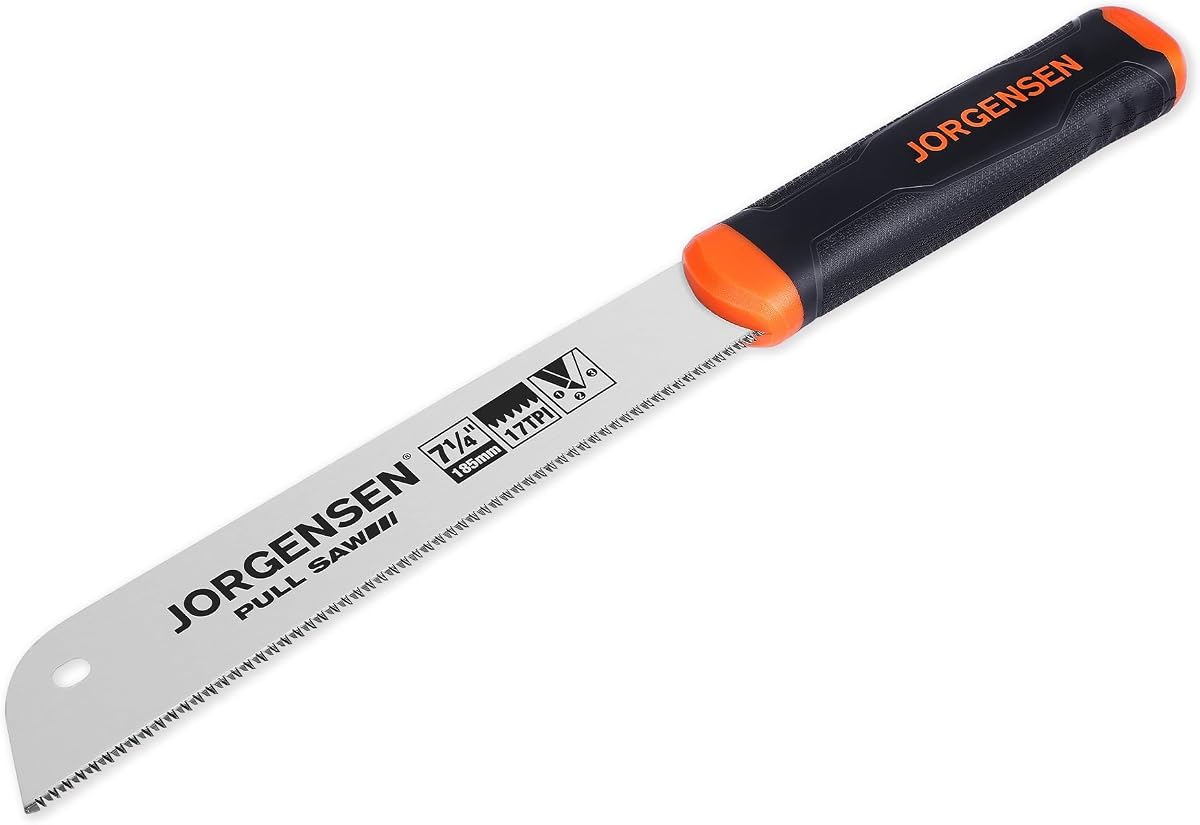
The JORGENSEN 7.25" single-edge saw is designed for detailed cross-section cuts and flush trimming. It holds a 4.6 rating for its lightweight design and triple-cut teeth that ensure efficient cutting.
We may earn a commission when you buy through this link, at no additional cost to you.
The single-edge design and thin blade make it easy to control with one hand, perfect for indoor work. The ergonomic soft-grip handle ensures a secure grip, even during long sessions of detailed work.
While it cannot rip along the grain effectively, it excels at trimming dowels and making precise cuts in softwood or PVC. It is a handy tool to have for detail work without splintering wood.
We recommend this for fine woodworking enthusiasts who need a dedicated flush cut saw. It is easy to use and provides fast, precise cuts for small and detailed woodworking tasks.
The ergonomic shape reduces hand fatigue during extended detailed cutting sessions.
Tooth tips reach hardness of HRC58–66 for excellent elasticity and sharpness.
We may earn a commission when you buy through this link, at no additional cost to you.
The JORGENSEN KATABA 10-3/8 Inch is a versatile single-edge saw designed for general-purpose cutting. With a 4.3 rating, it offers a balance between speed and accuracy for both hardwood and softwood.
We may earn a commission when you buy through this link, at no additional cost to you.
Its 14 TPI tooth pattern is ideal for fine woodworking tasks where a balance is needed. The single blade design keeps the saw simple to use, making it suitable for long cuts along the grain.
The ergonomic soft-grip handle reduces strain, ensuring optimal control during extended use. However, being single-edge, it lacks the crosscut versatility of a ryoba, which limits its general utility.
We recommend this saw for those who prefer a longer reach for ripping tasks. It is a practical choice for woodworkers looking for a simple, reliable tool for general cutting needs.
The 14 TPI design strikes a good balance for speed and accuracy on various woods.
A smooth and comfortable beech wood handle helps reduce hand strain during use.
We may earn a commission when you buy through this link, at no additional cost to you.
Selecting the right Japanese pull saw involves understanding several key factors that affect performance and comfort. Consider these elements to ensure you choose a tool that meets your specific woodworking needs.
Blade length typically ranges from 6 to 10 inches. Shorter blades offer more control for fine joinery, while longer blades allow for faster cuts on wider stock. The type of blade—whether double-edge ryoba, single-edge dozuki, or kataba—determines versatility and specific application.
Choose based on your primary project type. For general purpose, a ryoba is ideal. For joinery, a dozuki provides precision.
The Teeth Per Inch (TPI) dictates the speed and smoothness of the cut. Higher TPI counts like 25 offer smooth cuts for joinery, while lower counts like 7-12 enable faster ripping. Double-edge saws combine both for maximum flexibility.
Ensure the TPI matches your wood type. Fine wood requires higher TPI to prevent tear-out.
Most premium saws use SK5 high-carbon steel or similar Japanese steel grades. This material offers excellent edge retention and resistance to wear. High-frequency hardening ensures the teeth stay sharp longer.
Look for SK5 or high-quality Japanese steel to ensure durability and consistent performance.
Handles are either wood or ergonomic plastic. Wooden handles like Wingnut or Beech offer a traditional feel and balance, while ergonomic soft grips reduce fatigue for some users. The weight distribution is critical for control.
Test the grip comfort and balance before buying to avoid strain during long sessions.
Some modern Japanese saws feature replaceable blades. This design allows you to replace the blade without buying a new saw, extending the tool's life. It is a cost-effective feature for heavy users.
Consider replaceable blade models if you plan to use the saw frequently or want longevity.
Japanese saws have thin kerfs due to the pull stroke tension. A thin kerf reduces waste and effort but may require more stability during cuts. It is crucial for precision woodworking to minimize material loss.
Thin kerf is beneficial for reducing tear-out and saving material on expensive wood.
Japanese pull saws are generally lighter than Western push saws. A well-balanced saw feels natural in your hand and requires less power to cut. Look for designs that center weight for easier control.
A lighter weight reduces fatigue and allows for smoother, more controlled strokes.
Consider whether you need a saw for indoor fine work or outdoor construction. Indoor work favors thin kerf and smooth finishes, while outdoor work needs durability and replaceable parts. This influences your material choice.
Choose a saw that matches your workspace and safety requirements for optimal use.
Start by marking your cut line clearly on the wood. Align the blade with the line and use a light touch to start the kerf on the pull stroke, as pushing can bend or damage the thin blade.
Use long, smooth strokes with a steady rhythm. Apply light pressure on the pull stroke and let the teeth do the work without forcing the blade, which ensures clean cuts without tear-out.
After use, wipe the blade clean to prevent rust and store it in a dry place. If your saw has a replaceable blade, check tension regularly and replace when teeth dull. Use blade guards to protect teeth during storage.
Japanese pull saws cut on the pull stroke, allowing for thinner blades and more control, while Western push saws cut on the push stroke and are heavier. The pull action aligns the blade tension for cleaner cuts with less effort.
Yes, they are preferred because of their thin kerfs and sharp teeth which minimize tear-out. This makes them ideal for joinery and detailed work where precision is essential.
Wipe the blade with a dry cloth after use to remove moisture and sawdust. Occasionally apply a light coat of oil to prevent rust. Check the blade tension regularly to ensure optimal performance.
No, Japanese pull saws are designed specifically for wood and plastics. Metal requires saw blades with different tooth configurations and stiffness to handle the hardness of metal materials.
It may take a few tries to get used to the pull stroke. However, once you adapt, the saw feels more intuitive. Most users find it easier to control than a traditional push saw after practice.
High-quality Japanese saws are typically factory sharpened and last for years. If they dull, professional sharpening is possible, but many modern models feature replaceable blades for convenience instead.
A 7 to 9 inch ryoba is often the best starting point. It offers a good balance between precision and reach, allowing you to practice joinery and general cuts comfortably.
Wood handles provide traditional aesthetics and balance, while plastic or ergonomic grips offer comfort and durability. The choice depends on personal preference and the specific feel required for your work.
Whether you choose the Temple Tool Co. Japanese Pull Saw for quality or the JORGENSEN RYOBA for budget, these saws offer superior performance. The right choice depends on your project needs and budget constraints.
Prioritize blade quality and handle comfort when making your decision. A well-chosen saw will elevate your woodworking results and provide enjoyment in the craft.
Remember to check current prices and availability before purchasing. Prices change often, so comparing the latest listings ensures you get the best value for your investment.